Kuari Pass Trek
Duration
Altitude
Best Month
Range
Region
Location
Trek Type
📞 +91 9528052940
- 01 Kuari Pass Trek
- 02 Kuari Pass Trek Information
- 03 Is Kuari Pass Trek Worth It?
- 04 Kuari Pass Trek Reviews
- 05 Kuari Pass Trek Route Information (Day-wise)
- 06 Kuari Pass Trek Difficulty Level
- 07 Best Time to Visit Kuari Pass Trek
- 08 Natural Attractions You See in Kuari Pass Trek
- 09 Network Availability on Kuari Pass Trek
- 10 Charging on Kuari Pass Trek
- 11 Hidden Photography Spots in Kuari Pass Trek
- 12 Wildlife You May See in Kuari Pass Trek
- 13 How to Plan Kuari Pass Trek from Different Regions of India
- 14 Meal & Stay in Kuari Pass Trek
- 15 How Tripplanning Makes Your Kuari Pass Trek Plan Easy
- 16 Packing List for Kuari Pass Trek
- 17 Mistakes First-Time Trekkers Make in Kuari Pass Trek
- 18 Fitness Requirements for Kuari Pass Trek
- 19 How to Get Fit for Kuari Pass Trek (Age-wise)
Kuari Pass Trek
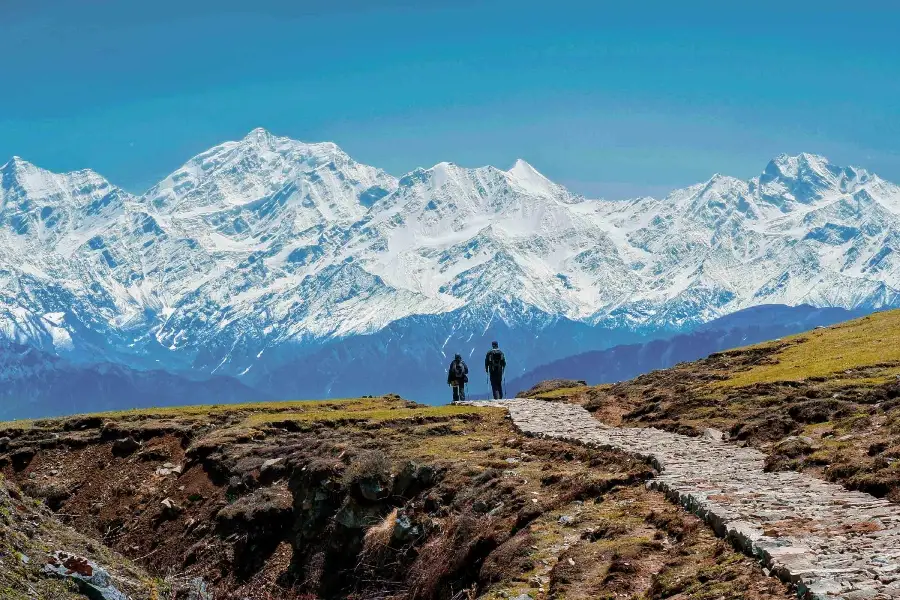
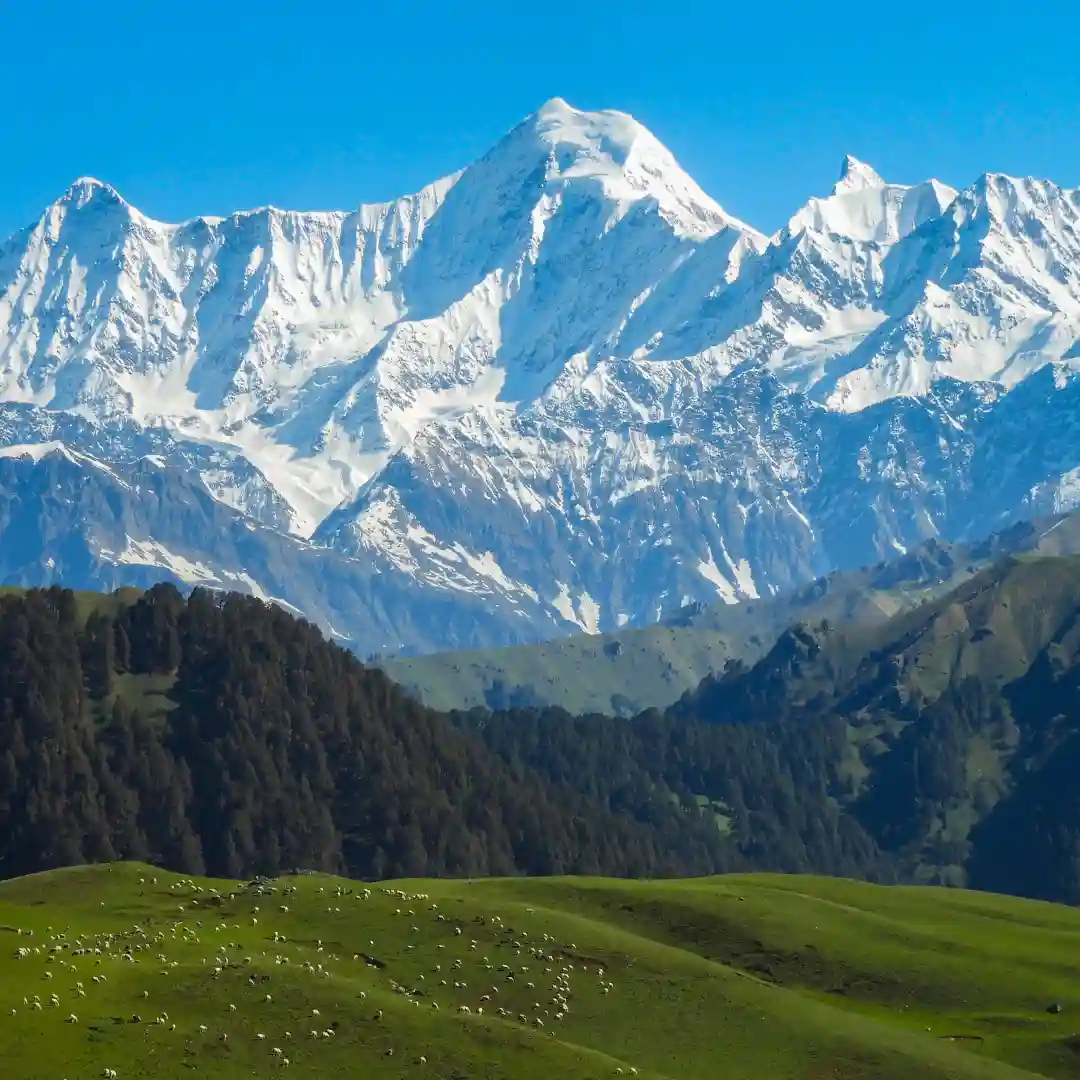
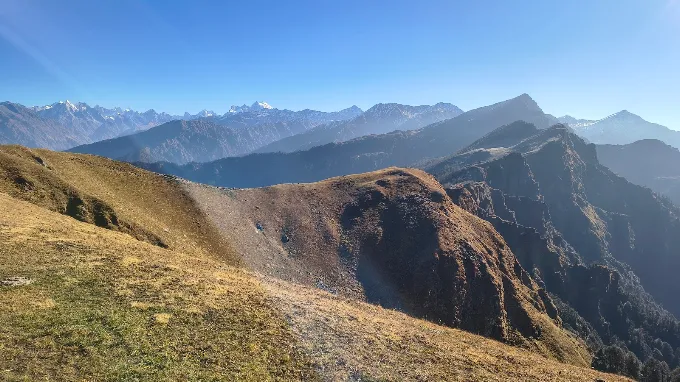
Kuari Pass Trek is a dream Himalayan trail where forests, alpine meadows, and snow-covered peaks create unforgettable memories. This Kuari Pass Trek rewards every step with breathtaking Garhwal Himalayan views and peaceful mountain moments.
Kuari Pass Trek Information
| Details | Information |
| Region | Garhwal, Uttarakhand |
| Base Camp | Joshimath |
| Trek Main Location | Kuari Pass, Chamoli District |
| Best Time (Season-wise) | Spring (Mar–Apr), Summer (Apr–Jun), Autumn (Sep–Nov), Winter (Dec–Feb) |
| Nearby Places to Explore | Auli, Joshimath, Nanda Devi National Park, Gorson Bugyal, Badrinath, Vishnuprayag |
| Nearest Market | Joshimath Market (0–2 km from base camp) |
| Nearest Airport | Jolly Grant Airport, Dehradun (Approx. 270 km) |
| Nearest Railway Station | Rishikesh Railway Station (Approx. 250 km) |
| Nearest Bus Station | Joshimath Bus Stand (Approx. 1 km) |
| Nearest Hospital | Community Health Centre (CHC), Joshimath (Approx. 2 km) |
| Nearest ATM | SBI & Other ATMs, Joshimath (Approx. 1 km) |
| Nearest Petrol Pump | Indian Oil Petrol Pump, Joshimath (Approx. 2 km) |
Is Kuari Pass Trek Worth It?
Overall Opinion
Absolutely. Kuari Pass Trek offers peaceful forests, grand Himalayan panoramas, and rewarding summit views without demanding extreme trekking experience.
Who should do this trek?
Nature lovers, beginners, photographers, solo travelers, families, and anyone dreaming of witnessing Himalayan beauty at a comfortable trekking pace.
Who should avoid it?
Those uncomfortable with cold weather, walking several hours daily, or expecting luxury accommodations throughout the mountain journey.
Is it worth travelling from another state?
Yes. The spectacular views of Nanda Devi, Dronagiri, Kamet, and charming Himalayan forests make every travel hour worthwhile.
Is it good for beginners?
Yes. With basic fitness and determination, beginners can comfortably complete Kuari Pass Trek while enjoying every scenic mountain trail.
Is it suitable for families?
Yes. Families with active children above suitable trekking age can enjoy this adventure under experienced trek leaders and proper planning.
Is it worth repeating?
Definitely. Every season transforms Kuari Pass Trek into a completely different experience, from blooming rhododendrons to magical winter snow landscapes.
Kuari Pass Trek Reviews
Himalayan Views Beyond Expectations
Batch – Spring Batch 2026
Date – 18 April 2026
Name – Rahul Sharma
Occupation – Software Engineer
City – Bengaluru
The Kuari Pass Trek gave me exactly what I needed after months of office work. Walking through oak forests, snowy trails, and watching Nanda Devi at sunrise felt unforgettable. Everything was well managed.
Perfect Weekend Escape for Couples
Batch – Winter Batch 2026
Date – 11 January 2026
Name – Neha & Aman Gupta
Occupation – Business Owners
City – Delhi
We wanted a peaceful Himalayan adventure together, and Kuari Pass Trek exceeded our expectations. The snow-covered meadows, mountain camps, and warm hospitality made every moment feel truly special.
A Memorable Family Adventure
Batch – Autumn Batch 2025
Date – 22 October 2025
Name – Priya Mehta
Occupation – Chartered Accountant
City – Ahmedabad
This was our first family Himalayan trek. The trail was scenic, guides remained supportive, and our children loved camping beneath the stars. Kuari Pass Trek created memories we’ll always cherish.
Best Trek for Corporate Professionals
Batch – Summer Batch 2025
Date – 14 June 2025
Name – Abhishek Verma
Occupation – Marketing Manager
City – Pune
After months of deadlines, this trek felt like a complete reset. Every campsite offered breathtaking Himalayan views, fresh mountain air, and peaceful evenings around fellow trekkers.
Beautiful Experience with Friends
Batch – Spring Batch 2025
Date – 27 March 2025
Name – Karan Singh
Occupation – Entrepreneur
City – Jaipur
Our entire friend group loved the Kuari Pass Trek. The forests, alpine meadows, and snow peaks kept surprising us every day. The summit view was worth every step.
One of Uttarakhand’s Finest Treks
Batch – Autumn Batch 2024
Date – 19 September 2024
Name – Sneha Kapoor
Occupation – HR Consultant
City – Chandigarh
I’ve completed several Himalayan treks, but Kuari Pass Trek stands out for its peaceful trails, changing landscapes, and magnificent Garhwal Himalayan views throughout the journey.
Kuari Pass Trek Route Information (Day-wise)
Day 1 – Rishikesh to Joshimath
Travel Distance: Approx. 255–270 km (9–10 hours)
- Drive through Devprayag, Rudraprayag, Karnaprayag, Nandprayag, and Vishnuprayag before reaching Joshimath.
- What you’ll see & feel: Flowing rivers, deep mountain valleys, traditional Garhwali villages, changing landscapes, and your first close views of the mighty Himalayas.
Day 2 – Joshimath to Dhak Village | Trek to Gulling Camp
Drive: Approx. 12 km
Trek Distance: Approx. 5–6 km
- Begin trekking through dense oak and rhododendron forests with gradual mountain trails.
- What you’ll see & feel: In spring, blooming rhododendrons colour the forest. During winter, snow decorates the trees, making every step magical and peaceful.
Day 3 – Gulling Camp to Khullara Camp
Trek Distance: Approx. 5–6 km
- Continue climbing through beautiful forests into open alpine meadows with wider Himalayan views.
- What you’ll see & feel: Snow-covered trails in winter, lush green meadows in summer, colourful wildflowers in spring, and peaceful forest silence throughout the journey.
Day 4 – Khullara to Kuari Pass Summit and Return to Gulling Camp
Trek Distance: Approx. 10–12 km
- Start before sunrise and gradually climb to the spectacular Kuari Pass before descending back to camp.
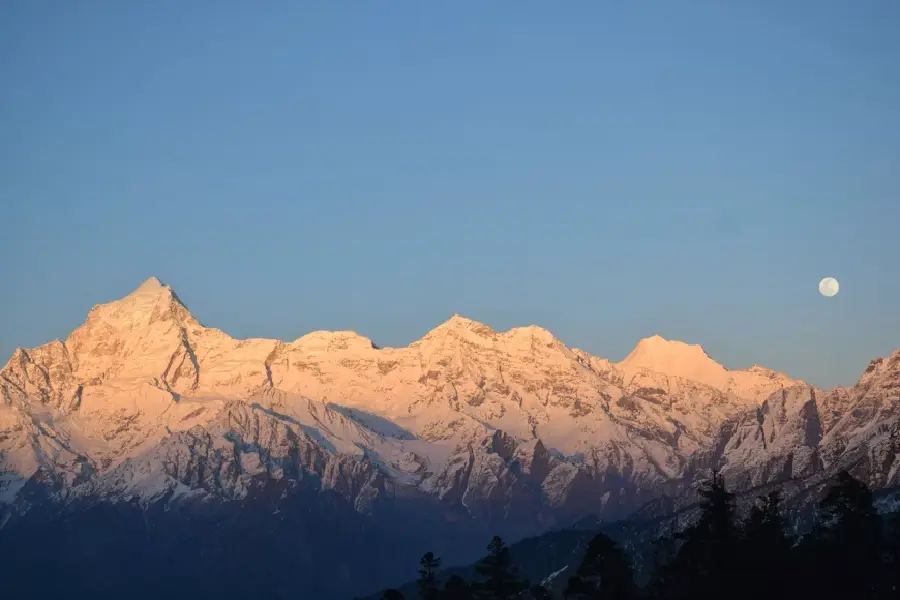
- What you’ll see & feel: Witness breathtaking panoramas of Nanda Devi, Dronagiri, Kamet, Chaukhamba, Hathi-Ghoda Parvat, and endless Himalayan ridgelines glowing under the morning sun.
Day 5 – Gulling Camp to Dhak Village | Drive to Joshimath & Rishikesh
Trek Distance: Approx. 5 km
Drive Distance: Approx. 270 km
- Descend through peaceful forests to Dhak before driving back through the scenic Garhwal valleys.
- What you’ll see & feel: The return journey feels nostalgic as every mountain, forest, and river reminds you of an unforgettable Himalayan adventure you’ll want to experience again.
Kuari Pass Trek Difficulty Level
Altitude
Although Kuari Pass Trek reaches 3,814 metres, the gradual ascent helps most trekkers acclimatize comfortably. Mild breathlessness near the summit is normal for first-time Himalayan trekkers.
Terrain
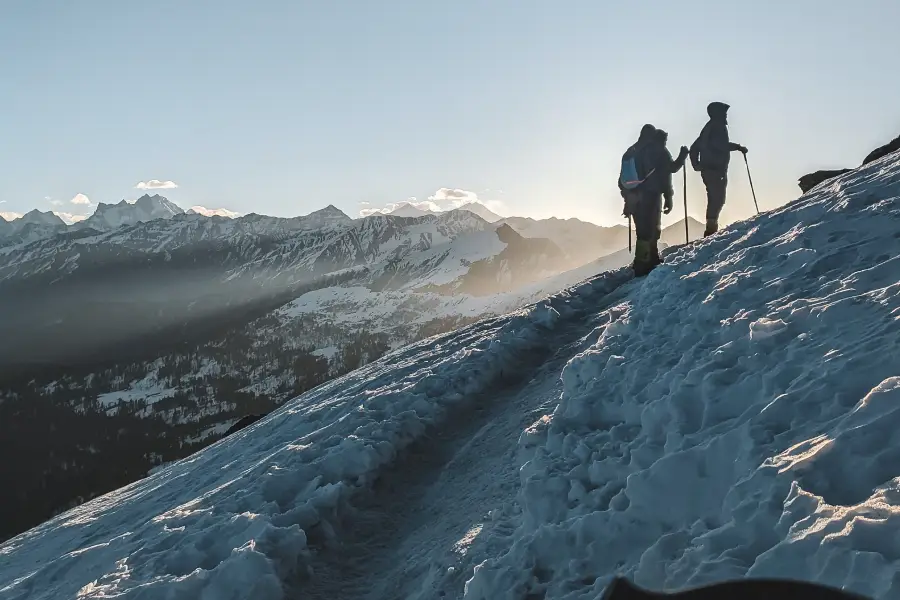
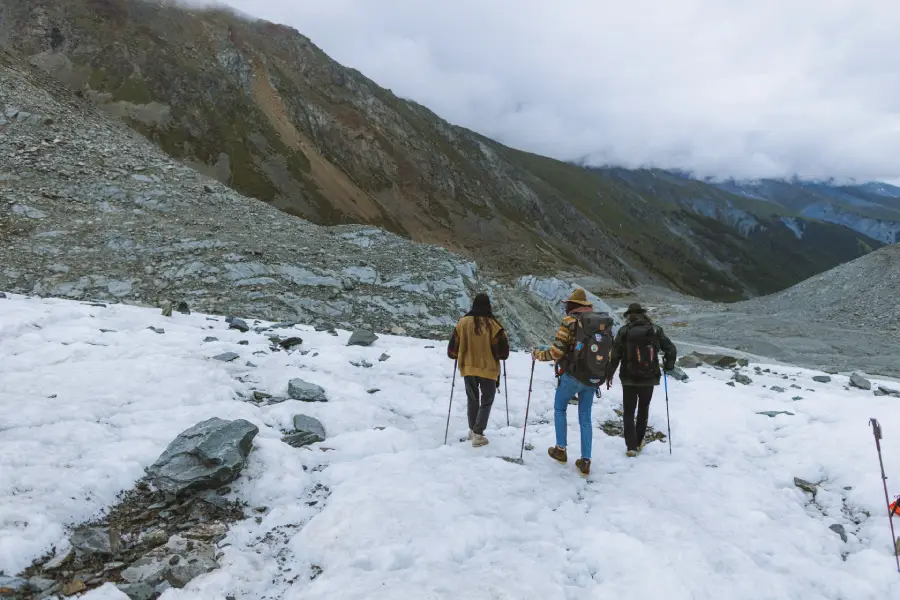
The trail passes through forest paths, rocky sections, alpine meadows, and occasional snow-covered stretches. Some descents require careful footing, especially during winter and immediately after snowfall.
Weather
Mountain weather changes quickly. Bright sunshine can suddenly turn into fog, snowfall, rain, or strong winds, making proper clothing and layered packing extremely important.
Safety
The trek is considered safe with experienced guides and proper planning. The nearest medical facility is Community Health Centre (CHC), Joshimath, around 2 km from the base camp, for emergency assistance before or after the trek.
Best Time to Visit Kuari Pass Trek
Every season offers a different personality to Kuari Pass Trek. Choose the experience that matches your dream Himalayan adventure.
Spring (March – April)
- Rhododendron forests bloom with vibrant colours while pleasant temperatures make long trekking days comfortable. Snow still decorates higher ridges, creating beautiful contrasts.
Summer (April – June)
- Clear mountain skies, green meadows, comfortable weather, and stunning Himalayan views make summer one of the best seasons for beginners and photographers.
Winter (December – February)
- Fresh snowfall transforms Kuari Pass into a magical white landscape. Snow trekking, frozen forests, and peaceful camps create an unforgettable Himalayan winter experience.
Natural Attractions You See in Kuari Pass Trek
Mountains & Snow Peaks
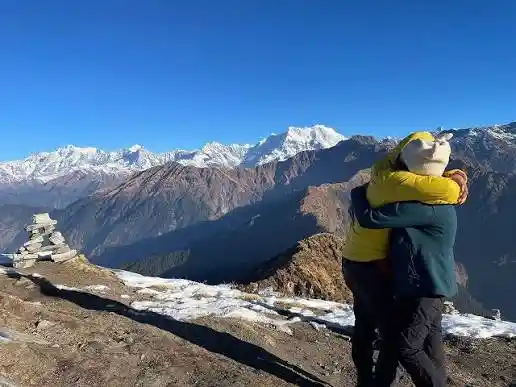
- Nanda Devi, Dronagiri, Kamet, Chaukhamba, Hathi-Ghoda Parvat, Neelkanth, Trishul, and many Garhwal Himalayan peaks dominate the skyline.
Forests
- Walk through dense oak, rhododendron, maple, and conifer forests filled with fresh mountain air and seasonal wildflowers.
Meadows (Bugyals)
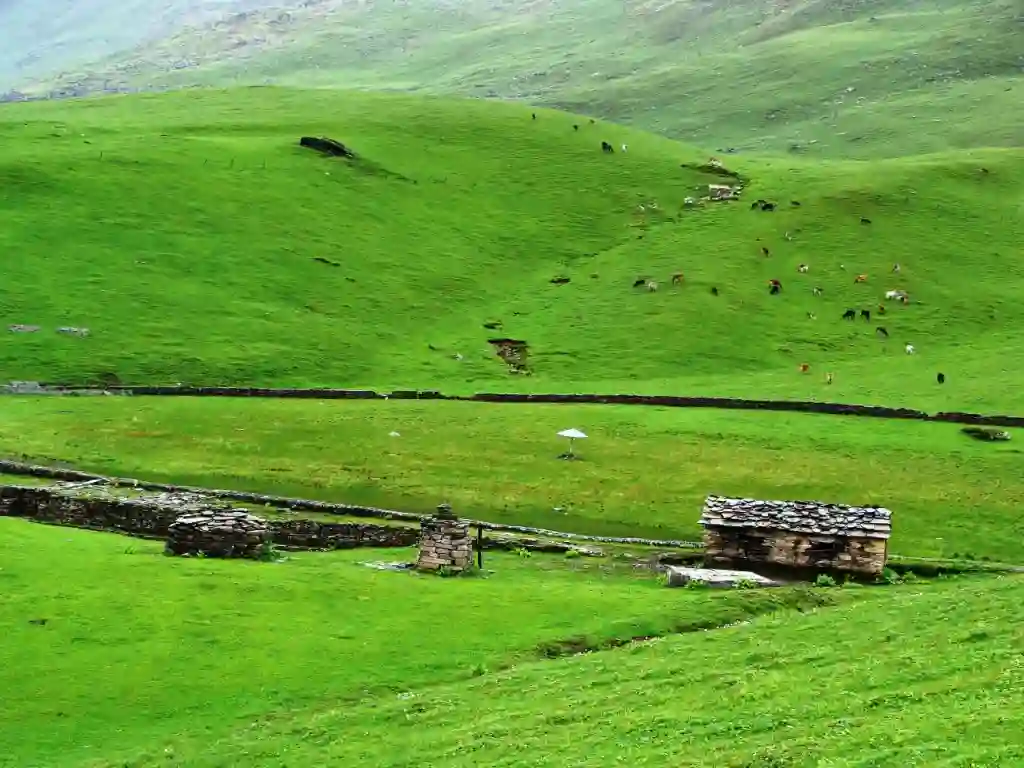
- Gulling and Khullara meadows offer wide-open Himalayan landscapes, colourful flowers during spring, and thick snow carpets throughout winter.
Viewpoints
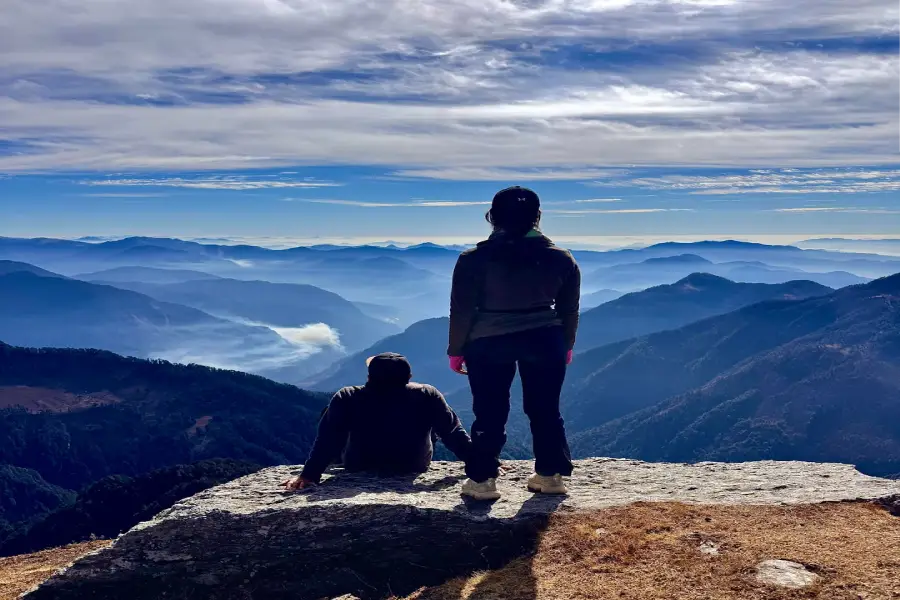
- Kuari Pass Summit provides one of Uttarakhand’s finest 360-degree Himalayan panoramas, especially during sunrise on clear mornings.
Water Streams
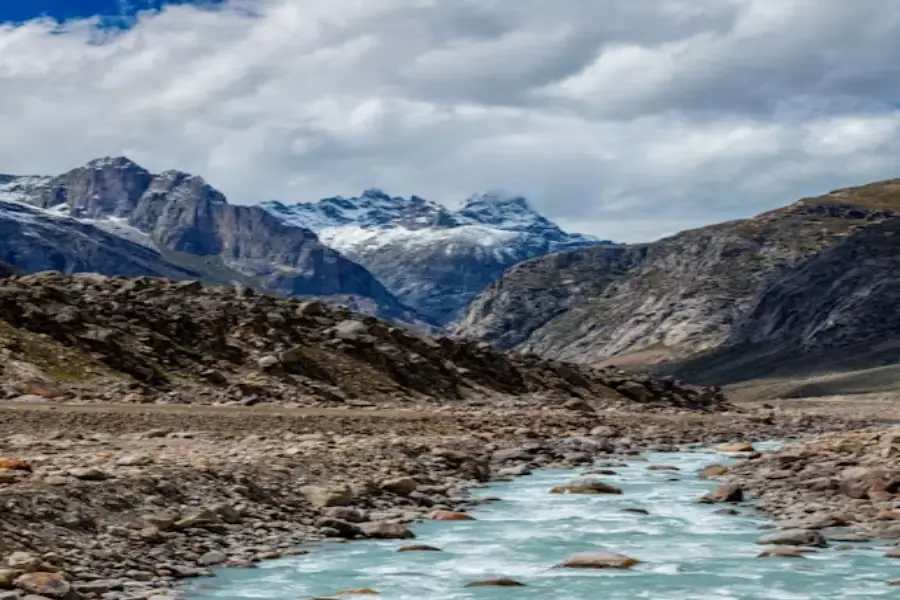
- Small Himalayan streams and natural water sources appear along several sections, especially during spring and early summer.
Network Availability on Kuari Pass Trek
- Mobile networks work reliably in Joshimath, especially Jio and BSNL, while Airtel offers limited coverage.
- Beyond Dhak Village, network becomes weak and usually disappears around Gulling Camp and remains unavailable until returning.
Charging on Kuari Pass Trek
- Charging is available at hotels in Joshimath before starting the trek.
- Camps usually have no regular electricity; some operators provide limited generator or solar charging.
- Carry a 10,000–20,000 mAh power bank to comfortably last the entire trek.
Hidden Photography Spots in Kuari Pass Trek
Top Photography Spots
- Khullara Meadows, Gulling Campsite, Kuari Pass Summit, oak forests, and panoramic Himalayan ridgelines.
Best Sunrise Location
- Kuari Pass Summit offers breathtaking golden sunlight over Nanda Devi and surrounding Himalayan peaks.
Best Sunset Point
- Khullara Camp rewards trekkers with soft evening light across snow-covered mountains and peaceful alpine meadows.
Drone Photography
- Fly drones only after obtaining necessary permissions. Avoid flying near protected forest zones or wildlife-sensitive areas.
Best Instagram Locations
- Snow-covered forest trails, colourful rhododendron blooms, summit ridge, alpine meadows, and mountain camps create stunning photographs.
Wildlife You May See in Kuari Pass Trek
- Himalayan Monal, Barking Deer, Himalayan Langur, Red Fox, Himalayan Griffon, colourful mountain birds, and dense rhododendron forests enrich the trekking experience.
- Wildlife sightings depend on weather, season, and maintaining silence while walking through the forests.
How to Plan Kuari Pass Trek from Different Regions of India
From West India (Mumbai, Pune, Ahmedabad, Surat)
By Flight
- Take a flight to Dehradun (Jolly Grant Airport). From there, book a cab or shared taxi to Joshimath, followed by your scheduled trek.
By Train
- Reach Haridwar or Rishikesh Railway Station from your city. Continue your journey to Joshimath by bus or private cab.
By Bus
- Volvo and government buses regularly connect Delhi with Haridwar and Rishikesh. From there, continue by local bus or taxi to Joshimath.
By Taxi
- Private cabs from Dehradun, Haridwar, or Rishikesh provide the most comfortable option for families, couples, and small trekking groups.
From East India (Kolkata, Bhubaneswar, Patna, Ranchi)
By Flight
- Fly to Dehradun via Delhi when required. From the airport, travel comfortably to Joshimath through pre-booked taxi services.
By Train
- Direct and connecting trains reach Haridwar from major eastern cities. Continue towards Joshimath using buses or private vehicles.
By Bus
- Travel first to Delhi, then board overnight buses for Haridwar or Rishikesh before continuing into the Garhwal Himalayas.
By Taxi
- Taxi services from Haridwar, Rishikesh, and Dehradun offer flexible travel with scenic stops along the Alaknanda River valley.
From South India (Bengaluru, Hyderabad, Chennai, Kochi)
By Flight
- The fastest option is flying to Dehradun. From there, enjoy a beautiful mountain drive to Joshimath before beginning your adventure.
By Train
- Long-distance trains connect southern cities with Delhi or Haridwar. Continue onward by bus or taxi to Joshimath.
By Bus
- Bus travel is practical after reaching Delhi or Haridwar. Overnight services help reduce travel time before the mountain journey begins.
By Taxi
- Booking a private cab from Dehradun or Haridwar offers greater comfort, especially after long flights or train journeys.
From North India (Delhi, Chandigarh, Jaipur, Lucknow)
By Flight
- Travelers can fly directly to Dehradun before continuing by road to Joshimath in a comfortable shared or private vehicle.
By Train
- Reach Haridwar or Rishikesh by train, then continue towards Joshimath through scenic Himalayan roads.
By Bus
- Frequent Volvo and state transport buses operate daily from Delhi to Haridwar and Rishikesh with easy onward connections.
By Taxi
- Private taxis from Delhi, Dehradun, Haridwar, or Rishikesh provide a relaxed journey, especially for families and corporate groups.
Meal & Stay in Kuari Pass Trek
Good food and restful sleep make every Himalayan journey even more memorable. Whether you prefer comfortable hotels, private villas, cozy homestays, or premium accommodations before and after the trek, Tripplanning can arrange stays according to your budget and travel style. Fresh vegetarian meals, local Garhwali dishes, and hygienic camp food ensure you remain energized throughout the adventure.
How Tripplanning Makes Your Kuari Pass Trek Plan Easy
Planning a Himalayan trek becomes simple when every detail is handled with care. From transport to accommodation and adventure experiences, Tripplanning helps you enjoy the mountains without unnecessary travel stress.
Transport Assistance
- Airport pickup and drop from Dehradun.
- Railway station transfers from Haridwar and Rishikesh.
- Bus stand pickups with comfortable cab services.
- Private taxis for couples, families, friends, and corporate groups.
Comfortable Stay Options
- Premium hotels in Joshimath.
- Private villas for families and groups.
- Peaceful homestays with local hospitality.
- Comfortable accommodations for couples and solo travelers.
- Corporate-friendly stays for team outings and workations.
Food Arrangements
- Fresh vegetarian meals during the trek.
- Jain meals available on request.
- Nutritious breakfast, lunch, snacks, and dinner.
- Customized meal preferences whenever possible.
Other Tripplanning Services
- River rafting bookings.
- Adventure activity packages.
- Bike and scooty rental services.
- Cab rental for local sightseeing.
- Hotel, villa, and homestay bookings.
- Yoga and wellness retreat experiences.
- Family holiday packages.
- Couple getaway planning.
- Group tour management.
- Customized Uttarakhand travel itineraries.
With experienced local support and flexible travel solutions, Tripplanning lets you focus on enjoying every mountain sunrise, forest trail, and unforgettable Himalayan moment.
Packing List for Kuari Pass Trek
Packing smart makes the Kuari Pass Trek more comfortable and enjoyable. Carry only essentials, keep your backpack balanced, and choose gear according to the trekking season.
Spring (March – April)
Beginner
- Carry layered clothing, a fleece jacket, trekking shoes, rain cover, water bottle, sunglasses, sunscreen, gloves, and a 6–8 kg backpack.
Advanced
- Add trekking poles, lightweight down jacket, quick-dry clothing, headlamp, power bank, personal medicines, and keep backpack weight around 7–9 kg.
Pro Level
- Pack lightweight trekking gear, compact camera, GPS watch, emergency kit, hydration bladder, and maintain a balanced backpack of 8–10 kg.
Summer & Autumn (April – June | September – November)
Beginner
- Wear breathable trekking clothes, sun cap, sunglasses, trekking shoes, reusable water bottle, and carry a comfortable backpack weighing 5–7 kg.
Advanced
- Include trekking poles, lightweight jacket, first-aid kit, rain poncho, energy snacks, extra socks, and maintain a 6–8 kg backpack.
Pro Level
- Carry ultralight gear, compact sleeping accessories if required, camera equipment, hydration system, navigation tools, and keep weight around 7–9 kg.
Winter (December – February)
Beginner
- Pack thermal wear, heavy down jacket, waterproof gloves, woollen cap, insulated trekking shoes, and maintain a backpack weighing 7–9 kg.
Advanced
- Add gaiters, microspikes if recommended, extra thermals, insulated bottle, emergency blanket, and carry approximately 8–10 kg comfortably.
Pro Level
- Use technical winter trekking equipment, waterproof layering system, snow accessories, advanced first-aid kit, and keep total weight around 9–11 kg.
Mistakes First-Time Trekkers Make in Kuari Pass Trek
- Wearing brand-new trekking shoes without breaking them in before the trek.
- Carrying unnecessary luggage, making every climb more tiring than necessary.
- Ignoring hydration, even when the weather feels pleasantly cold.
- Walking too fast instead of maintaining a steady mountain pace.
- Skipping warm-up exercises before starting the day’s trek.
- Underestimating changing mountain weather and forgetting proper layering.
- Depending entirely on mobile networks despite poor connectivity.
- Ignoring guide instructions during snowy or slippery trail sections.
- Not carrying enough cash for small purchases in Joshimath.
- Forgetting to pack a power bank and essential personal medicines.
Fitness Requirements for Kuari Pass Trek
The Kuari Pass Trek is beginner-friendly, but basic fitness helps you enjoy every trail instead of struggling with long walking hours and mountain climbs.
Basic Fitness Requirement
- You should comfortably walk 5–7 km daily and climb stairs without excessive fatigue before attempting the trek.
Cardio Fitness
- Practice brisk walking, jogging, cycling, or swimming for 30–45 minutes, at least four to five days each week.
Leg Strength
- Strengthen your legs through squats, lunges, step-ups, and stair climbing to handle uphill and downhill sections confidently.
Endurance
- Weekend hikes with a light backpack help prepare your body for consecutive trekking days in the Himalayas.
How to Get Fit for Kuari Pass Trek (Age-wise)
Age 12–18 Years
- Focus on outdoor sports, light jogging, stair climbing, stretching, and regular walking to naturally build stamina before the trek.
Age 19–30 Years
- Combine running, strength training, core exercises, and weekly hikes with a loaded backpack for better endurance and recovery.
Age 31–45 Years
- Maintain consistent cardio, moderate strength training, flexibility exercises, and weekend walks to comfortably complete daily trekking distances.
Age 46–60 Years
- Prepare with brisk walking, yoga, breathing exercises, light strength workouts, and consult your doctor if you have existing medical conditions.
Above 60 Years
- Healthy senior trekkers with good mobility can enjoy the trek after proper medical clearance, gradual fitness preparation, and choosing an experienced trekking organizer.