Sahastra Tal Trek
Duration
Altitude
Best Month
Range
Region
Location
Grade
Trek Type
📞 +91 9528052940
- 01 Sahastra Tal Trek
- 02 Sahastra Tal Trek Information
- 03 Is Sahastra Tal Trek Worth It?
- 04 Sahastra Tal Trek Reviews
- 05 Sahastra Tal Trek Route Information (Day-wise)
- 06 Sahastra Tal Trek Difficulty Level
- 07 Best Time to Visit Sahastra Tal Trek
- 08 Natural Attractions You See in Sahastra Tal Trek
- 09 Network Availability on Sahastra Tal Trek
- 10 Charging on Sahastra Tal Trek
- 11 Hidden Photography Spots in Sahastra Tal Trek
- 12 Wildlife You May See in Sahastra Tal Trek
- 13 How to Plan Sahastra Tal Trek from Different Regions of India
- 14 Meal & Stay in Sahastra Tal Trek
- 15 How TripPlanning Makes Your Sahastra Tal Trek Easy
- 16 Packing List for Sahastra Tal Trek
- 17 Mistakes First-Time Trekkers Make in Sahastra Tal Trek
- 18 Fitness Requirements for Sahastra Tal Trek
- 19 How to Get Fit for Sahastra Tal Trek
Sahastra Tal Trek
The Sahastra Tal Trek is one of Uttarakhand's hidden alpine adventures, rewarding every trekker with untouched lakes, wild meadows, Himalayan views, and unforgettable mountain silence.
Sahastra Tal Trek Information
| Information | Details |
| Region | Garhwal, Uttarakhand |
| Base Camp | Bhatwari (via Uttarkashi) |
| Trek Main Location | Sahastra Tal, Uttarkashi District |
| Best Time Season Wise | Spring (Apr–May), Summer (May–Jun), Autumn (Sep–Nov) |
| Nearby Places to Explore | Dayara Bugyal, Dodital Lake, Nachiketa Tal, Gangotri, Harsil Valley |
| Nearest Market | Bhatwari (Approx. 12 km from base camp) |
| Nearest Airport | Jolly Grant Airport, Dehradun (Approx. 210 km) |
| Nearest Railway Station | Dehradun Railway Station (Approx. 195 km) |
| Nearest Bus Station | Uttarkashi Bus Stand (Approx. 30 km) |
| Nearest Hospital | Community Health Centre, Bhatwari (Approx. 12 km) |
| Nearest ATM | Bhatwari Market (Approx. 12 km) |
| Nearest Petrol Pump | Bhatwari (Approx. 12 km) |
| Nearest Ambulance Contact | 108 Emergency Ambulance Service |
| Emergency Helpline | 112 (National Emergency), 108 (Medical Emergency) |
Is Sahastra Tal Trek Worth It?
Honest Opinion
If untouched Himalayan beauty excites you more than crowded trails, Sahastra Tal Trek offers memories that stay with you long after returning.
Who should do this trek?
Adventure lovers, experienced trekkers, photographers, and nature seekers who enjoy challenging mountain trails will truly appreciate this beautiful Himalayan journey.
Who should avoid it?
People with serious altitude concerns, poor physical fitness, or those expecting comfortable walking trails should choose an easier Himalayan trek instead.
Is it worth travelling from another state?
Yes, the peaceful alpine lakes, remote landscapes, and raw Himalayan wilderness easily justify travelling from any part of India.
Is it good for beginners?
Fit beginners can complete the trek with preparation, but previous trekking experience makes the challenging climb significantly more enjoyable.
Is it suitable for families?
Not ideal for families with young children or elderly members because the trail demands stamina, patience, and long trekking days.
Is it worth repeating?
Absolutely. Different seasons transform the trail completely, making every return journey feel fresh with changing flowers, skies, and mountain views.
Sahastra Tal Trek Reviews
Hidden Himalayan Gem Beyond Expectations
Batch – May 2026
Date – 18 May 2026
Name – Rohan Sharma
Occupation – IT Professional
City – Bengaluru
The Sahastra Tal Trek challenged me every day, but every climb rewarded us with peaceful alpine lakes and breathtaking Himalayan landscapes. Worth every step.
Perfect Escape From Busy Business Life
Batch – September 2025
Date – 28 September 2025
Name – Neha Agarwal
Occupation – Business Owner
City – Jaipur
After months of stressful work, this Himalayan trek gave me complete peace. The untouched meadows and mountain silence felt more valuable than any vacation.
Our Best Couple Adventure Together
Batch – October 2025
Date – 11 October 2025
Name – Aman & Priya
Occupation – Entrepreneurs
City – Delhi
We wanted something different from ordinary holidays. The Sahastra Tal Trek offered beautiful sunrises, remote lakes, and unforgettable moments together in the Himalayas.
Every Friend Should Experience This Once
Batch – June 2026
Date – 20 June 2026
Name – Kunal Verma
Occupation – Marketing Manager
City – Mumbai
Our group laughed, struggled, and celebrated every summit together. Watching hundreds of alpine lakes surrounded by Himalayan peaks made every difficult climb worthwhile.
A Memorable Family Trek Experience
Batch – May 2025
Date – 24 May 2025
Name – Meera Kapoor
Occupation – Chartered Accountant
City – Chandigarh
We joined with older teenagers and enjoyed every campsite. Professional guidance and stunning mountain scenery made the Sahastra Tal Trek feel safe and unforgettable.
Best Corporate Team Adventure
Batch – October 2025
Date – 15 October 2025
Name – Arvind Joshi
Occupation – HR Manager
City – Pune
Our office team wanted a meaningful outdoor experience. Trekking together through forests, meadows, and high-altitude lakes strengthened friendships more than any team activity.
Sahastra Tal Trek Route Information (Day-wise)
Day 1 – Dehradun to Uttarkashi (Approx. 145 km Drive)
- Reach Uttarkashi after a scenic drive through river valleys and mountain roads.
- What you'll see & feel: Flowing Bhagirathi River, charming hill towns, peaceful mountain air, and excitement as your Himalayan journey begins.
Day 2 – Uttarkashi to Bhatwari to Base Camp (Approx. 30 km Drive + 5 km Trek)
- Short drive followed by an easy forest trail to the first campsite.
- What you'll see & feel: Pine forests, village life, fresh mountain streams, birdsong, and your first peaceful Himalayan camping experience.
Day 3 – Base Camp to Pari Tal (Approx. 10 km Trek)
- Trek gradually climbs through forests and alpine meadows.
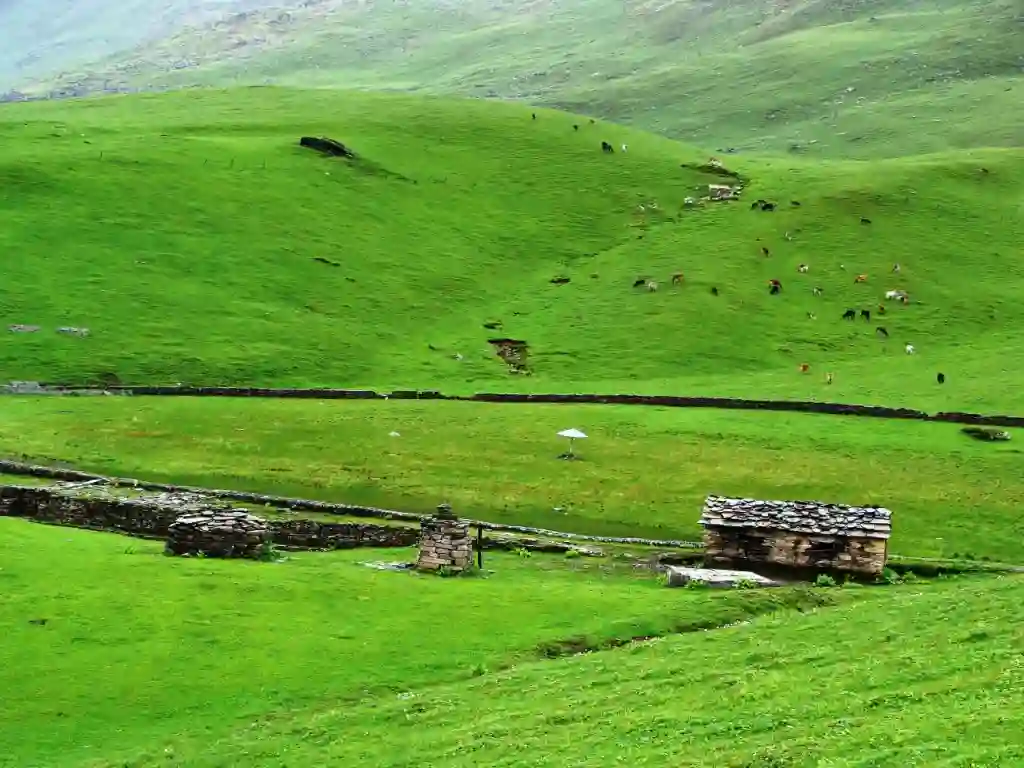
- What you'll see & feel: Rhododendron blooms in spring, grazing sheep, waterfalls, colorful wildflowers, and wide-open Himalayan landscapes.
Day 4 – Pari Tal to Sahastra Tal (Approx. 9 km Trek)
- The most exciting day reaches the spectacular Sahastra Tal region.
- What you'll see & feel: Crystal-clear alpine lakes, snow-covered peaks, rocky ridges, cool mountain winds, and unforgettable Himalayan silence.
Day 5 – Explore Sahastra Tal & Nearby Lakes (Approx. 5–6 km Trek)
- Spend time exploring hidden lakes around the main basin.
- What you'll see & feel: Golden sunrise reflections, untouched mountain scenery, rare Himalayan birds, peaceful meditation spots, and breathtaking photography opportunities.
Day 6 – Sahastra Tal to Base Camp (Approx. 12 km Trek)
- Descend through beautiful alpine meadows and forests.
- What you'll see & feel: Panoramic mountain views, changing landscapes, blooming flowers during summer, and fresh forest fragrances throughout the trail.
Day 7 – Base Camp to Uttarkashi (Approx. 5 km Trek + 30 km Drive)
- Finish the trek and return to Uttarkashi.
- What you'll see & feel: Gratitude, unforgettable mountain memories, smiling trekking companions, and one last look at the Garhwal Himalayas before leaving.
Day 8 – Uttarkashi to Dehradun (Approx. 145 km Drive)
- Journey back with unforgettable memories of the Himalayas.
- What you'll see & feel: Scenic river valleys, peaceful mountain roads, and the satisfaction of completing one of Uttarakhand's most rewarding high-altitude treks.
Sahastra Tal Trek Difficulty Level
A successful Sahastra Tal Trek depends on your fitness, weather conditions, altitude adaptation, and confidence on mountain trails. Here's what you can realistically expect.
Altitude
- At around 4,600 meters, the thinner air can make breathing difficult. Walking slowly, staying hydrated, and proper acclimatization greatly improve comfort and safety.
Terrain
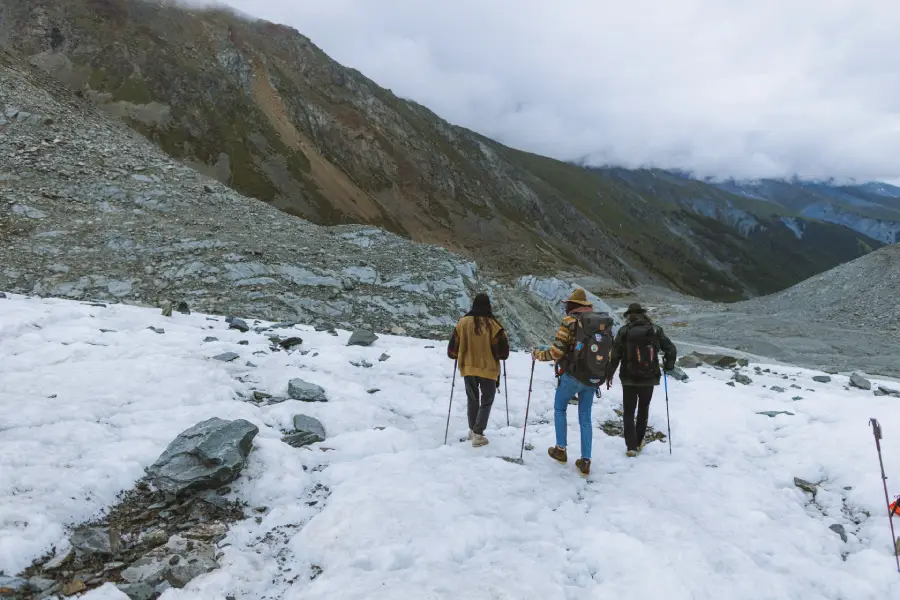
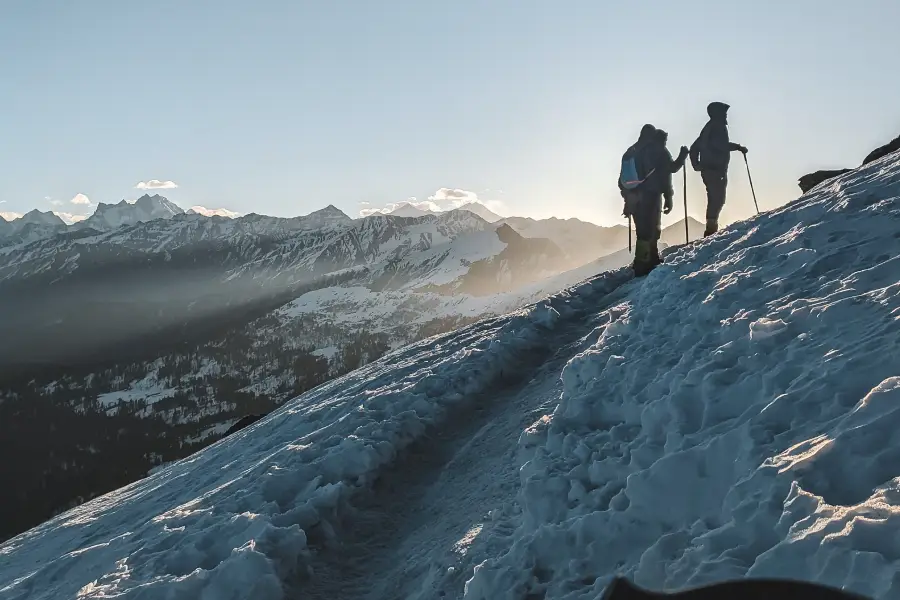
- The trail passes through dense forests, rocky ridges, alpine meadows, stream crossings, and steep ascents, requiring good balance and steady trekking experience.
Weather
- Mountain weather changes quickly. Bright sunshine can suddenly turn into rain, fog, or strong winds, making warm layers and rain protection essential.
Safety
- Remote trails, limited mobile connectivity, and high altitude demand careful planning. The nearest reliable medical facility is Community Health Centre, Bhatwari, while emergency ambulance service is available through 108.
Physical Fitness
- Daily trekking of 8–12 km with continuous elevation gain demands good stamina, strong legs, and the ability to walk comfortably for several hours.
Mental Challenge
- Long trekking days, simple campsites, and remote surroundings require patience, teamwork, and a positive mindset throughout the journey.
Best Time to Visit Sahastra Tal Trek
Every season paints the Sahastra Tal Trek differently. Choose the one that matches the experience you want, whether colorful meadows, clear Himalayan views, or peaceful mountain solitude.
Spring (April – May)
- Rhododendron forests bloom beautifully, pleasant daytime temperatures make trekking enjoyable, and snow patches still decorate higher sections of the trail.
Summer (May – June)
- Comfortable trekking weather, green alpine meadows, crystal-clear skies, and excellent visibility make summer one of the most popular trekking seasons.
Autumn (September – November)
- Fresh landscapes after the monsoon, stable weather, crisp mountain air, golden grasslands, and spectacular Himalayan panoramas create unforgettable trekking memories.
Natural Attractions You See in Sahastra Tal Trek
Mountains
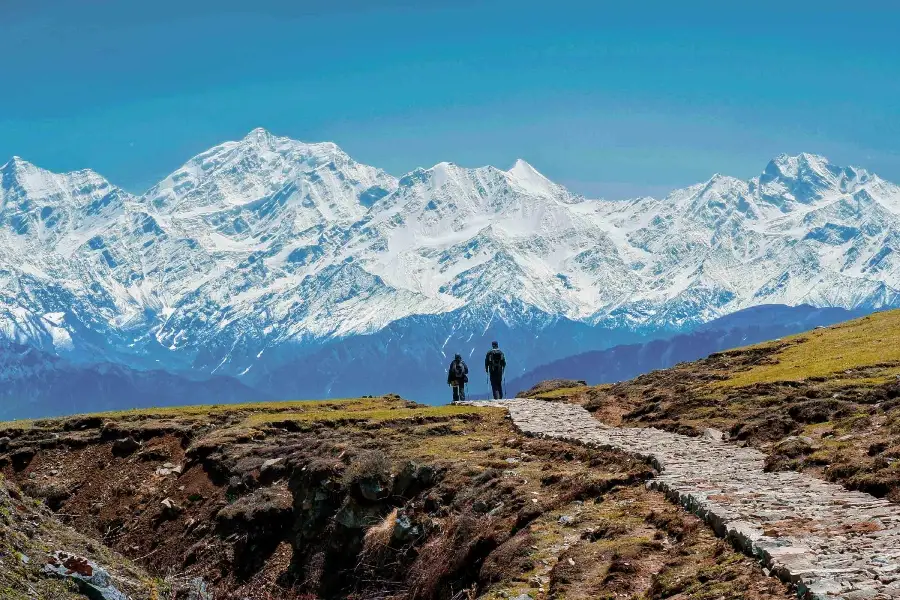
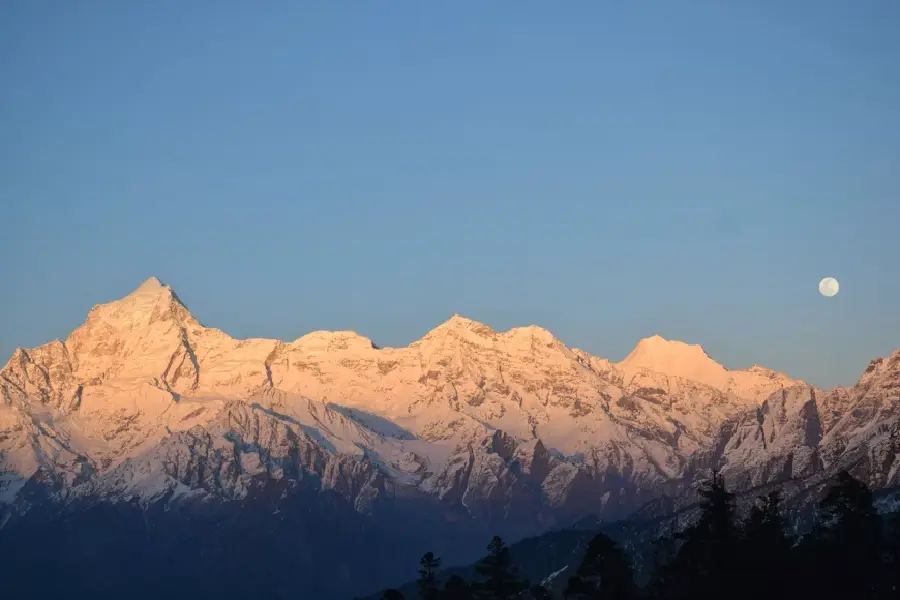
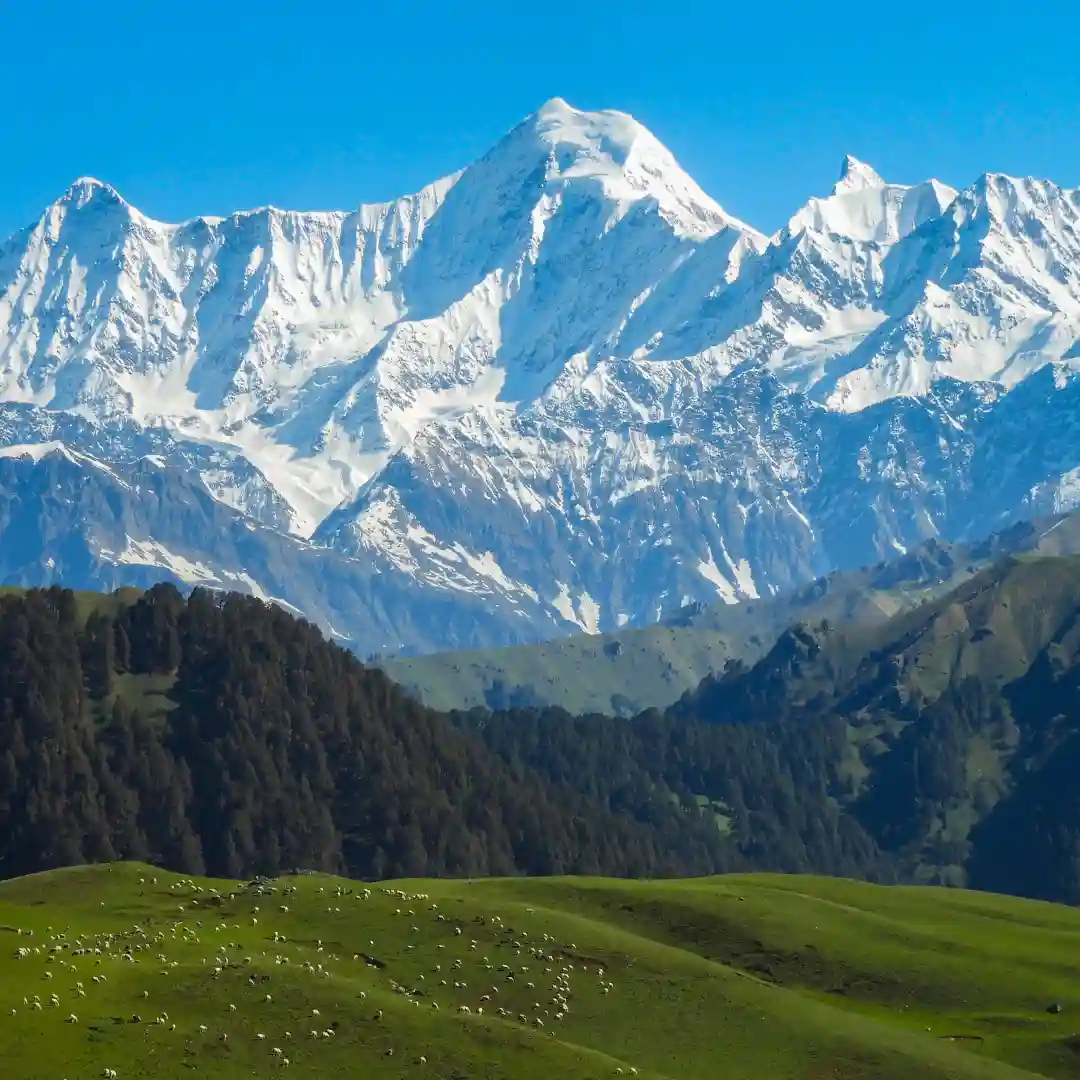
- Snow-covered Himalayan peaks like Bandarpoonch, Swargarohini, Kala Nag (Black Peak), and surrounding Garhwal ranges dominate the horizon.
Waterfalls
- Small mountain waterfalls, natural streams, and glacial water crossings keep the trail refreshing throughout the journey.
Forest Types
- Dense forests of pine, oak, maple, birch, and vibrant rhododendron gradually transform into open alpine grasslands.
Viewpoints
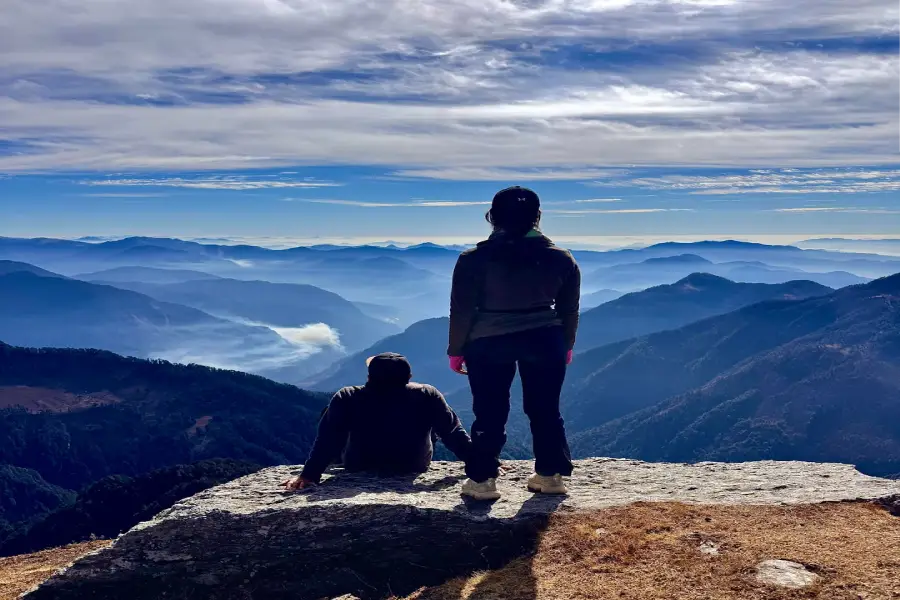
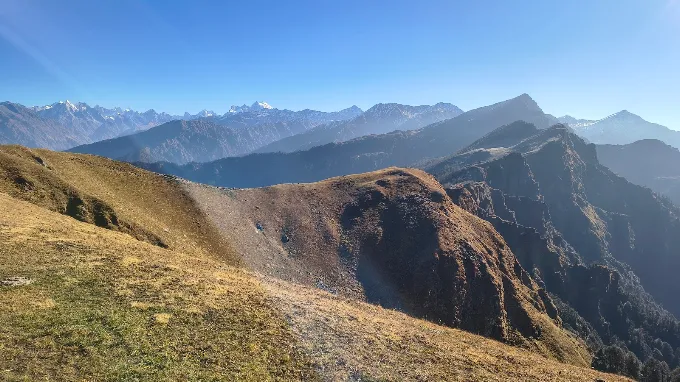
- High ridges offer panoramic views of untouched valleys, alpine lakes, distant glaciers, and endless Himalayan mountain ranges.
Snow Peaks
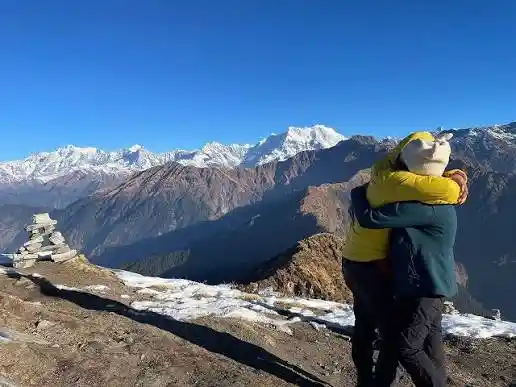
- During clear weather, trekkers enjoy breathtaking views of Bandarpoonch, Kala Nag, Swargarohini, and nearby snow-clad summits.
Network Availability on Sahastra Tal Trek
Mobile Network
- Jio and BSNL work reasonably well around Uttarkashi and Bhatwari, while Airtel may offer limited connectivity in some villages.
Where Network Disappears
- Mobile signals usually disappear completely after leaving the base camp, with almost no reliable network available until returning.
Internet Availability
- Mobile internet is generally unavailable throughout the trek, making it a perfect opportunity to disconnect and enjoy nature.
Emergency Communication
- Trek leaders usually carry wireless communication or satellite-based emergency arrangements depending on the expedition operator.
Charging on Sahastra Tal Trek
Can We Charge Phones?
- Charging facilities are generally available only before reaching the base camp. Campsites rarely have regular electricity.
Power Banks
- Carrying a 20,000–30,000 mAh power bank is highly recommended for cameras, phones, and other electronic devices.
Generator
- Most trekking camps avoid generators to preserve the peaceful mountain environment and reduce environmental impact.
Solar Charging
- Some expedition teams carry portable solar chargers, but availability depends on weather conditions and the trekking organizer.
Hidden Photography Spots in Sahastra Tal Trek
Top Photography Spots
- Sahastra Tal lake, Pari Tal, alpine meadows, rocky ridges, and mountain camps offer outstanding photography throughout the trek.
Best Sunrise Location
- Sunrise near Sahastra Tal creates magical reflections of surrounding Himalayan peaks across the calm alpine waters.
Best Sunset Point
- Elevated ridgelines overlooking the lake provide breathtaking sunset colors across the Garhwal Himalayas.
Drone Photography Information
- Drone flying may require permission from local authorities and forest officials. Always follow current government regulations before flying.
Best Instagram Photo Locations
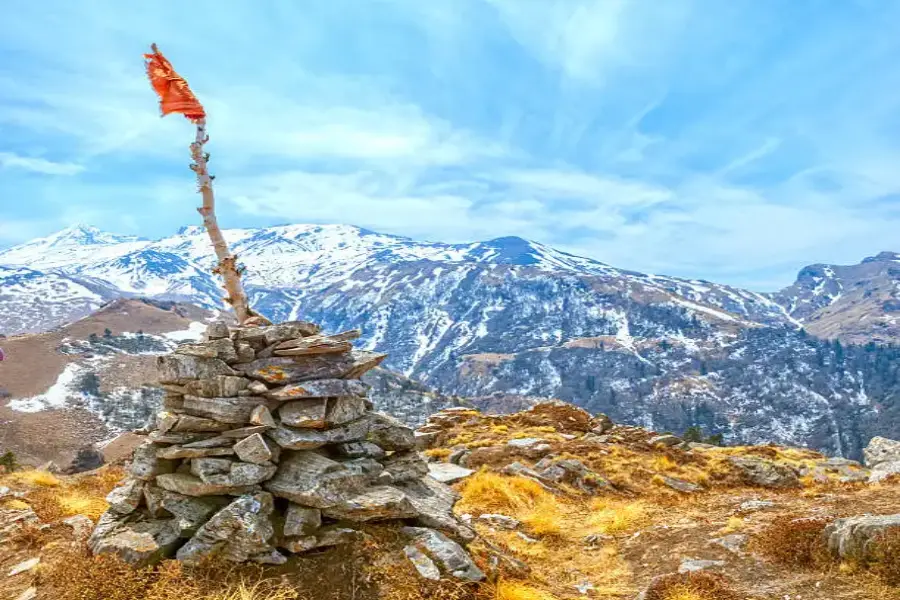
- Wooden bridges, wildflower meadows, crystal-clear alpine lakes, prayer flags, and panoramic viewpoints create naturally stunning photo opportunities.
Wildlife You May See in Sahastra Tal Trek
Himalayan Monal
- Uttarakhand's colorful state bird is occasionally seen in high-altitude forests during early morning hours.
Barking Deer
- Quiet trekkers may spot barking deer moving through dense oak and rhododendron forests.
Langur
- Himalayan gray langurs are commonly seen around forest sections, often moving playfully between tall trees.
Himalayan Griffon
- These majestic birds soar effortlessly above valleys and mountain ridges searching for thermal currents.
Himalayan Fox
- Rare but possible to spot during peaceful mornings or evenings around open alpine grasslands.
Rhododendron Forests
- Spring transforms the forests into vibrant red and pink landscapes filled with blooming rhododendron flowers.
Bird Species
- Bird lovers may encounter Himalayan Monal, Koklass Pheasant, Yellow-billed Blue Magpie, Himalayan Bulbul, and various mountain songbirds throughout the trail.
How to Plan Sahastra Tal Trek from Different Regions of India
Planning your Sahastra Tal Trek becomes much easier when you know the best travel options. Most trekkers first reach Dehradun, then travel by road to Uttarkashi and Bhatwari, the common gateway to the trek.
From North India (Delhi, Chandigarh, Jaipur)
By Air
| From City | Destination | Flight Duration | Airlines |
|---|---|---|---|
| Delhi | Dehradun (Jolly Grant) | 55–60 min | IndiGo, Air India |
| Chandigarh | Dehradun | Around 1 hr (seasonal/direct or via Delhi) | IndiGo |
| Jaipur | Dehradun | 2–3 hrs (via Delhi) | IndiGo, Air India |
By Train
| Train | Train No. | From | Duration |
|---|---|---|---|
| Dehradun Shatabdi Express | 12017 | New Delhi | 5.5–6 hrs |
| Mussoorie Express | 14041 | Delhi | 8–9 hrs |
| Nanda Devi Express | 12205 | New Delhi | Overnight |
By Bus & Taxi
| Details | Information |
|---|---|
| Nearest ISBT | ISBT Kashmere Gate, Delhi |
| Bus Timing | Every 30–60 minutes (Day & Night Volvo/Ordinary) |
| Destination | Dehradun ISBT |
| Taxi | Dehradun → Uttarkashi → Bhatwari |
From West India (Mumbai, Ahmedabad, Pune)
By Air
| From City | Destination | Flight Duration | Airlines |
|---|---|---|---|
| Mumbai | Dehradun | 2.5 hrs | IndiGo, Air India |
| Ahmedabad | Dehradun | 2 hrs (Direct/Seasonal) | IndiGo |
| Pune | Dehradun | 2.5–4 hrs | IndiGo |
By Train
| Train | Train No. | From | Duration |
|---|---|---|---|
| Mumbai–Dehradun Express | 19019 | Mumbai | 30–33 hrs |
| Ahmedabad via Delhi | Various | Ahmedabad | 22–28 hrs |
| Pune via Delhi | Various | Pune | 28–34 hrs |
By Bus & Taxi
| Details | Information |
|---|---|
| Reach | Dehradun by flight/train |
| Taxi | Dehradun → Uttarkashi → Bhatwari |
| Shared Taxi | Available from Uttarkashi |
From East India (Kolkata, Bhubaneswar, Patna)
By Air
| From City | Destination | Flight Duration | Airlines |
|---|---|---|---|
| Kolkata | Dehradun | 2.5 hrs | IndiGo |
| Bhubaneswar | Dehradun | 3–4 hrs | IndiGo |
| Patna | Dehradun | Around 2 hrs | IndiGo |
By Train
| Train | Train No. | From | Duration |
|---|---|---|---|
| Upasana Express | 12327 | Kolkata | 29–31 hrs |
| Patna–Delhi + Shatabdi | Various | Patna | 15–17 hrs |
| Bhubaneswar via Delhi | Various | Bhubaneswar | 30+ hrs |
By Bus & Taxi
| Details | Information |
|---|---|
| Reach | Dehradun first |
| Taxi | Dehradun → Uttarkashi |
| Local Transport | Shared Jeep & Taxi from Uttarkashi |
From South India (Bengaluru, Hyderabad, Chennai)
By Air
| From City | Destination | Flight Duration | Airlines |
|---|---|---|---|
| Bengaluru | Dehradun | 3 hrs | IndiGo, Air India |
| Hyderabad | Dehradun | 2.5 hrs | IndiGo |
| Chennai | Dehradun | 3.5 hrs | IndiGo |
By Train
| Train | Train No. | From | Duration |
|---|---|---|---|
| Karnataka Express + Connection | 12627 | Bengaluru | 42–46 hrs |
| Hyderabad via Delhi | Various | Hyderabad | 28–32 hrs |
| Chennai via Delhi | Various | Chennai | 36–42 hrs |
By Bus & Taxi
| Details | Information |
|---|---|
| Preferred Option | Fly to Dehradun |
| Taxi | Dehradun → Uttarkashi → Bhatwari |
| Shared Taxi | Available daily from Uttarkashi |
Meal & Stay in Sahastra Tal Trek
Whether you prefer comfortable hotels before the trek, peaceful private villas, cozy homestays, or premium accommodation, TripPlanning arranges stays according to your budget. During the trek, hygienic vegetarian meals, warm refreshments, and nutritious campsite food keep your energy high while letting you enjoy the true Himalayan experience.
How TripPlanning Makes Your Sahastra Tal Trek Easy
Planning a remote Himalayan trek should feel exciting, not stressful. TripPlanning takes care of every important detail—from your arrival to your safe return—so you can focus entirely on enjoying the mountains.
We help with airport, railway station, and bus stand pickups through trusted cab services. Whether you're travelling solo, as a couple, with family, friends, or a corporate group, we arrange comfortable hotels, private villas, peaceful homestays, and quality meals based on your preferences and budget.
Our Services
- Sahastra Tal Trek Packages
- Airport Pickup & Drop
- Railway Station Pickup
- Bus Stand Transfers
- Private Cab Rental
- Tempo Traveller Booking
- Bike Rental
- Scooty Rental
- Hotel Booking
- Private Villa Booking
- Homestay Booking
- Camping Experience
- River Rafting
- Adventure Activities
- Yoga & Wellness Retreats
- Family Tour Packages
- Couple Tour Packages
- Corporate Group Tours
- Local Sightseeing
Packing List for Sahastra Tal Trek
Summer (May–June)
Basic Gear
- Beginner: Comfortable backpack, trekking pole, reusable water bottle, rain cover, sunglasses, sunscreen, and personal medicines are enough for first-time trekkers.
- Advanced: Add trekking gaiters, hydration bladder, lightweight binoculars, compact first-aid kit, and quick-dry towels for better comfort.
- Pro: Carry GPS device, ultralight trekking gear, satellite communicator (if available), emergency shelter, and professional navigation equipment.
Clothes
- Beginner: Dry-fit T-shirts, trekking pants, fleece jacket, lightweight down jacket, thermal wear for nights, and rain jacket.
- Advanced: Moisture-wicking base layers, insulated jacket, waterproof shell, extra trekking socks, and lightweight camp clothing.
- Pro: Technical trekking apparel with breathable waterproof layers suitable for long high-altitude expeditions.
Head Gear
- Sun cap, woollen cap, UV sunglasses, neck gaiter, and lightweight buff help protect against changing mountain weather.
Foot Gear
- Waterproof trekking shoes with ankle support, comfortable camp slippers, quality trekking socks, and blister protection tape.
Utility
- Headlamp, power bank, toiletries, energy snacks, camera, trekking gloves, lip balm, and reusable lunch box.
Packing Weight Guide
- Beginner: 8–10 kg
- Advanced: 7–9 kg
- Professional: 6–8 kg
Spring (April–May)
Carry slightly warmer layers because mornings and nights remain cold despite pleasant daytime temperatures. Pack gloves, thermals, waterproof clothing, and enough dry socks.
Autumn (September–November)
Expect cold mornings, cool evenings, and clear skies. Warm jackets, fleece layers, waterproof trekking shoes, and insulated gloves provide the most comfortable trekking experience.
Mistakes First-Time Trekkers Make in Sahastra Tal Trek
- Carrying unnecessary heavy luggage instead of lightweight essentials.
- Walking too fast without allowing proper altitude acclimatization.
- Ignoring hydration and regular meal breaks during long trekking days.
- Wearing brand-new trekking shoes without breaking them in beforehand.
- Underestimating sudden Himalayan weather changes and inadequate warm clothing.
Fitness Requirements for Sahastra Tal Trek
A good fitness level makes the Sahastra Tal Trek safer and more enjoyable. Strong legs, healthy lungs, and steady stamina help you confidently complete each day while enjoying the breathtaking Himalayan landscapes.
How to Get Fit for Sahastra Tal Trek
Age 12–18 Years
- Practice brisk walking, cycling, light jogging, and stair climbing for at least 30–45 minutes, four to five days every week.
Age 19–35 Years
- Combine cardio, leg strengthening, squats, lunges, core exercises, and weekend hikes for 6–8 weeks before your trek.
Age 36–50 Years
- Focus on endurance walking, stretching, breathing exercises, moderate strength training, and regular hill walking to build steady stamina.
Age Above 50 Years
- Consult your physician first, then gradually improve cardiovascular fitness through walking, yoga, light strength exercises, and supervised trekking practice before attempting this high-altitude trek.