Har Ki Dun Trek
Duration
Altitude
Best Month
Range
Region
Location
Trek Type
📞 +91 9528052940
- 01 Har Ki Dun Trek
- 02 Har Ki Dun Trek Information
- 03 Is Har Ki Dun Trek Worth It?
- 04 Har Ki Dun Trek Reviews
- 05 Har Ki Dun Trek Route Information (Day-wise)
- 06 Har Ki Dun Trek Difficulty Level
- 07 Best Time to Visit Har Ki Dun Trek
- 08 Natural Attractions You See in Har Ki Dun Trek
- 09 Network Availability on Har Ki Dun Trek
- 10 Charging on Har Ki Dun Trek
- 11 Hidden Photography Spots in Har Ki Dun Trek
- 12 Wildlife You May See in Har Ki Dun Trek
- 13 How to Plan Har Ki Dun Trek from Different Regions of India
- 14 Meal & Stay in Har Ki Dun Trek
- 15 How TripPlanning Makes Your Har Ki Dun Trek Plan Easy
- 16 Packing List for Har Ki Dun Trek
- 17 Mistakes First-Time Trekkers Make in Har Ki Dun Trek
- 18 Fitness Requirements for Har Ki Dun Trek
- 19 How to Get Fit for Har Ki Dun Trek
Har Ki Dun Trek
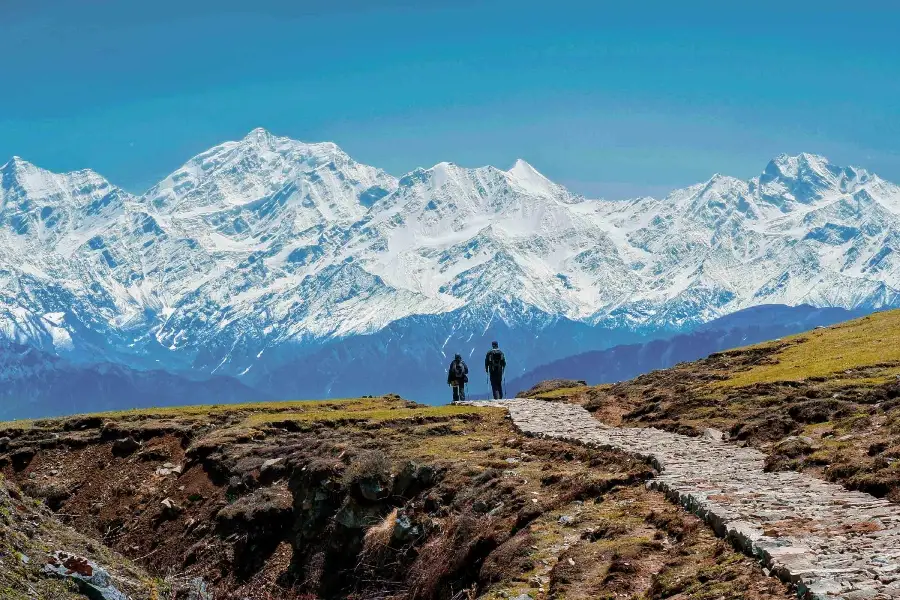
Har Ki Dun Trek takes you through ancient Himalayan villages, alpine meadows, pine forests, and breathtaking valleys, making every step feel like a journey into nature's timeless beauty.
Har Ki Dun Trek Information
| Information | Details |
|---|---|
| Region | Garhwal, Uttarakhand |
| Base Camp | Sankri Village |
| Trek Main Location | Govind Pashu Vihar National Park, Uttarkashi |
| Best Time (Season-wise) | Spring (Mar–Apr) for flowers, Summer (May–Jun) for pleasant weather, Autumn (Sep–Nov) for clear mountain views, Winter (Dec–Feb) for snow |
| Nearby Places to Explore | Osla Village, Seema Village, Taluka, Kedarkantha, Ruinsara Tal, Bali Pass |
| Nearest Market | Sankri Market (0 km) |
| Nearest Airport | Jolly Grant Airport, Dehradun (Approx. 210 km) |
| Nearest Railway Station | Dehradun Railway Station (Approx. 200 km) |
| Nearest Bus Station | Dehradun ISBT (Approx. 195 km) |
| Nearest Hospital | Community Health Centre, Purola (Approx. 36 km) |
| Nearest ATM | Purola (Approx. 36 km) |
| Nearest Petrol Pump | Mori (Approx. 25 km) |
| Nearest Ambulance Contact | 108 (Uttarakhand Emergency Ambulance) |
| Emergency Helpline | 112 |
Is Har Ki Dun Trek Worth It?
Honest Opinion (15–20 words)
Har Ki Dun Trek beautifully blends ancient Himalayan culture, peaceful forests, and stunning valley views into one unforgettable trekking experience.
Who should do this trek?
Ideal for beginners, photographers, nature lovers, families, and trekkers seeking beautiful valleys instead of only challenging mountain summits.
Who should avoid it?
Those uncomfortable with multi-day trekking, long walking hours, or carrying backpacks through uneven Himalayan trails may find it demanding.
Is it worth travelling from another state?
Definitely. Har Ki Dun offers a rare mix of untouched villages, rich culture, scenic landscapes, and peaceful Himalayan wilderness worth every kilometer.
Is it good for beginners?
Yes. With average fitness and experienced guides, beginners can comfortably enjoy Har Ki Dun Trek while gaining valuable Himalayan trekking experience.
Is it suitable for families?
Families with physically active children above ten years and healthy adults can enjoy this scenic valley trek together.
Is it worth repeating?
Absolutely. Every season transforms Har Ki Dun with different colors, snow conditions, flowers, wildlife, and unforgettable mountain landscapes.
Har Ki Dun Trek Reviews
A Peaceful Himalayan Escape
Batch: Spring Batch 2026
Date: 25 April 2026
Name: Rohit Bansal
Occupation: Software Engineer
City: Gurgaon
Har Ki Dun Trek gave me the peaceful break I needed. Walking through ancient villages and green valleys felt refreshing after months of office work.
Beautiful Journey With My Wife
Batch: Autumn Batch 2026
Date: 20 October 2025
Name: Aman Gupta
Occupation: Business Owner
City: Jaipur
The peaceful forests, traditional villages, and breathtaking mountain scenery made Har Ki Dun Trek one of our most memorable couple adventures in the Himalayas.
Best Family Trek We've Done
Batch: Summer Batch 2026
Date: 12 May 2026
Name: Sunita Verma
Occupation: School Teacher
City: Lucknow
Our family loved every part of Har Ki Dun Trek. The trails were comfortable, local hospitality felt genuine, and the valley views exceeded expectations.
Perfect Adventure With Friends
Batch: Spring Batch 2026
Date: 14 March 2026
Name: Kunal Patel
Occupation: Entrepreneur
City: Ahmedabad
Camping beside rivers, exploring remote villages, and enjoying the peaceful Himalayan atmosphere made Har Ki Dun Trek unforgettable for our entire group.
Truly Worth Every Step
Batch: Winter Batch 2026
Date: 07 January 2026
Name: Priya Sharma
Occupation: HR Manager
City: Bengaluru
Snow-covered forests, warm local hospitality, and beautiful campsites made Har Ki Dun Trek feel more like a meaningful journey than just another trek.
Rich Culture Meets Nature
Batch: Autumn Batch 2026
Date: 24 November 2025
Name: Neeraj Singh
Occupation: Chartered Accountant
City: Chandigarh
Har Ki Dun Trek surprised me with its traditional Himalayan villages, peaceful trails, rich local culture, and spectacular mountain views that stayed in my heart long after returning home.
Har Ki Dun Trek Route Information (Day-wise)
Day 1 – Dehradun to Sankri (Approx. 200 km Drive)
- Travel through Mussoorie, Purola, and Mori while enjoying rivers, pine forests, and charming Himalayan villages before reaching Sankri.
- What you'll see & feel: Beautiful mountain roads, Tons River, dense forests, and your first refreshing taste of Himalayan life.
Day 2 – Sankri to Taluka Drive & Trek to Seema/Pauni Garaat (Approx. 12–13 km Trek)
- Begin trekking through wooden bridges, riverside trails, pine forests, and traditional villages surrounded by green Himalayan landscapes.
- What you'll see & feel: Ancient wooden houses, waterfalls, flowing streams, cheerful birds, and peaceful forest surroundings.
Day 3 – Seema to Har Ki Dun Valley (Approx. 10–11 km Trek)
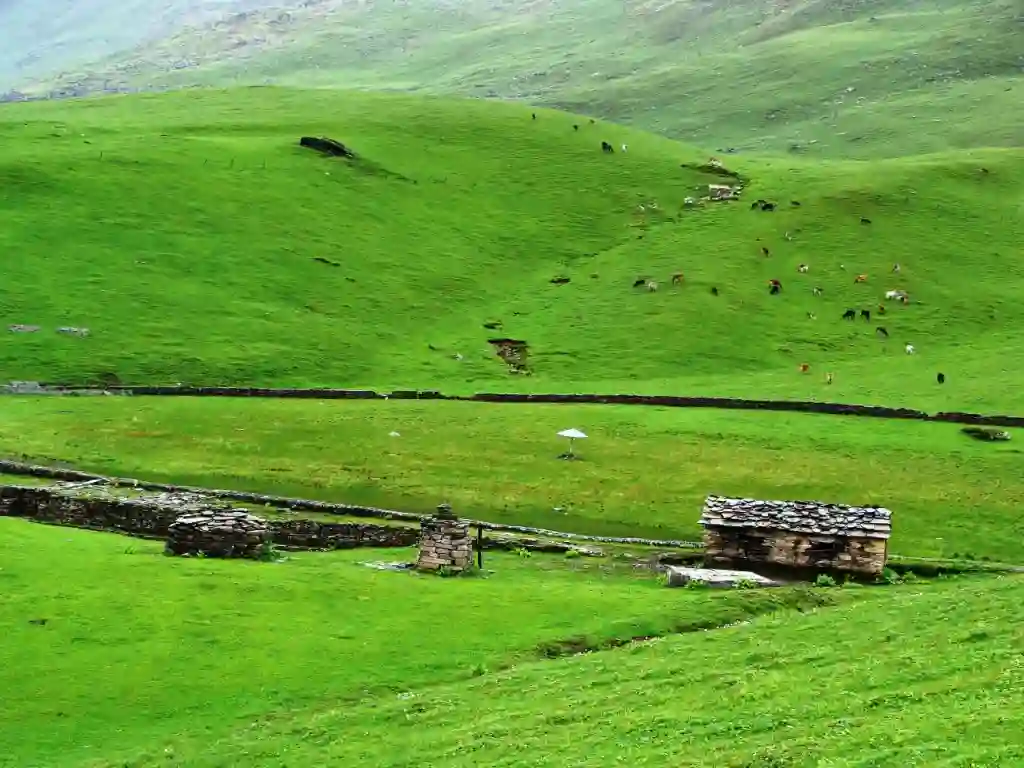
- The trail gradually climbs through alpine meadows and beautiful valleys until reaching the stunning Har Ki Dun campsite.
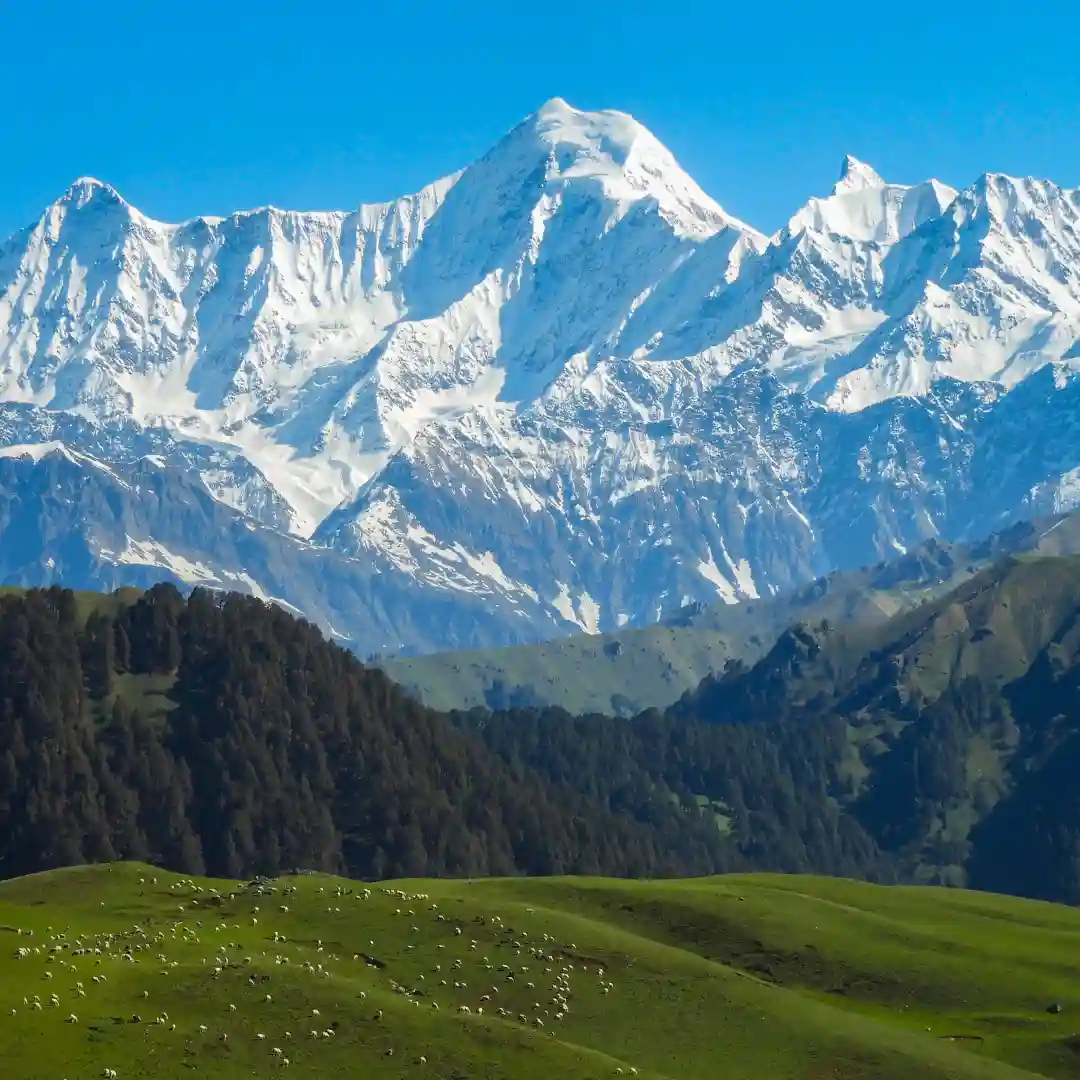
- What you'll see & feel: Snow-covered Swargarohini peaks, wide green meadows in summer, and colorful wildflowers during spring.
Day 4 – Explore Har Ki Dun Valley (Approx. 5–6 km Exploration)
- Spend the day exploring nearby viewpoints, rivers, glacier-fed streams, and surrounding mountain landscapes before returning to camp.
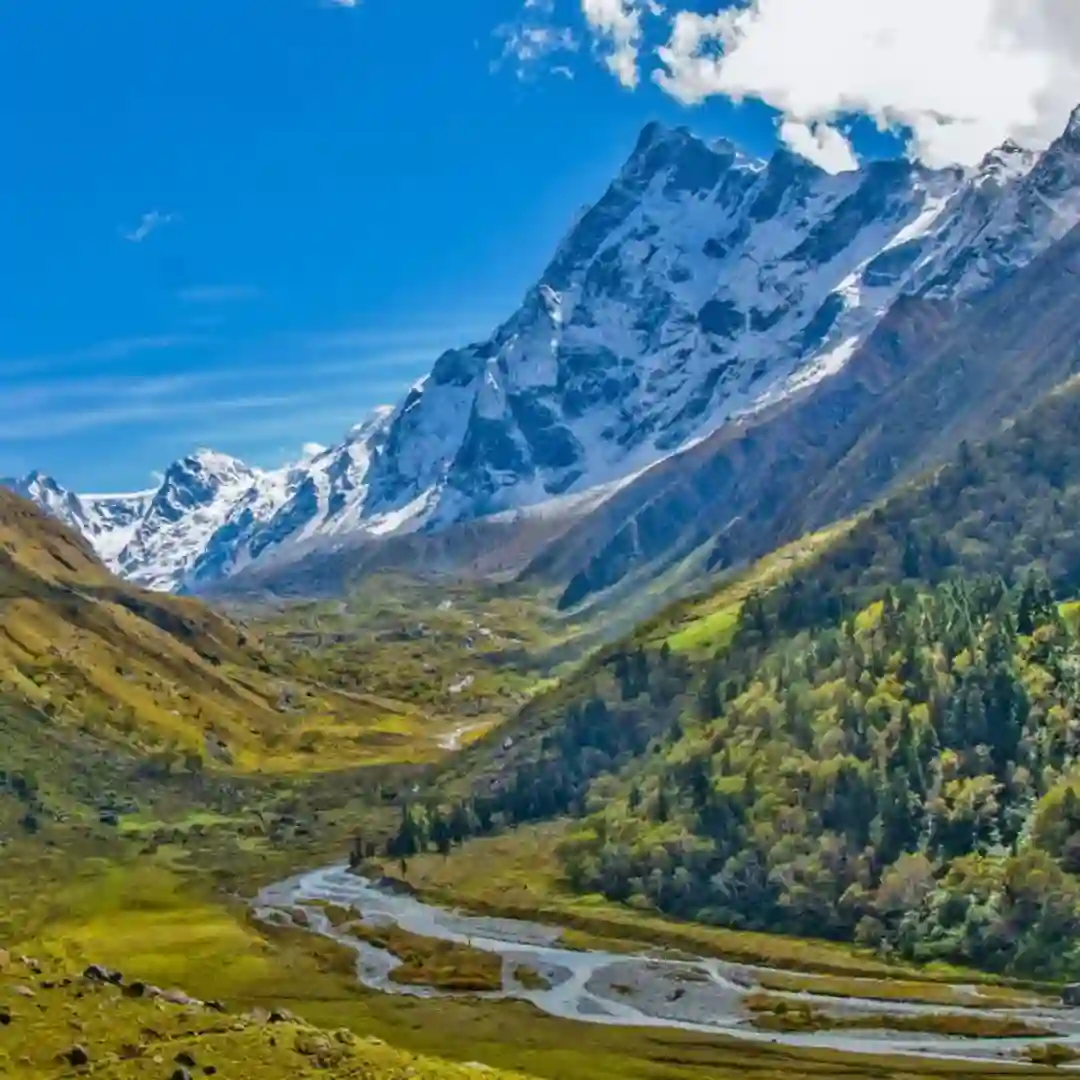
- What you'll see & feel: Crystal-clear rivers, panoramic Himalayan peaks, peaceful silence, and unforgettable sunrise or sunset views.
Day 5 – Har Ki Dun to Seema (Approx. 10–11 km Trek)
- Descend through forests and villages while enjoying changing mountain perspectives and relaxing downhill trails.
- What you'll see & feel: Fresh mountain breeze, dense pine forests, grazing sheep, and beautiful valley landscapes.
Day 6 – Seema to Taluka & Drive to Sankri (Approx. 12 km Trek)
- Retrace your trail through forests before driving back to Sankri, celebrating the successful completion of your Himalayan journey.
- What you'll see & feel: Familiar landscapes now feel more meaningful after experiencing the peaceful Har Ki Dun Valley.
Day 7 – Sankri to Dehradun (Approx. 200 km Drive)
- Return through scenic mountain roads carrying unforgettable memories, beautiful photographs, and a heart full of Himalayan peace.
- What you'll see & feel: One last glimpse of the Garhwal Himalayas before returning to city life.
Har Ki Dun Trek Difficulty Level
Altitude
The maximum altitude of 3,566 meters is manageable for most trekkers, though mild breathlessness may occur during steady uphill climbs.
Terrain
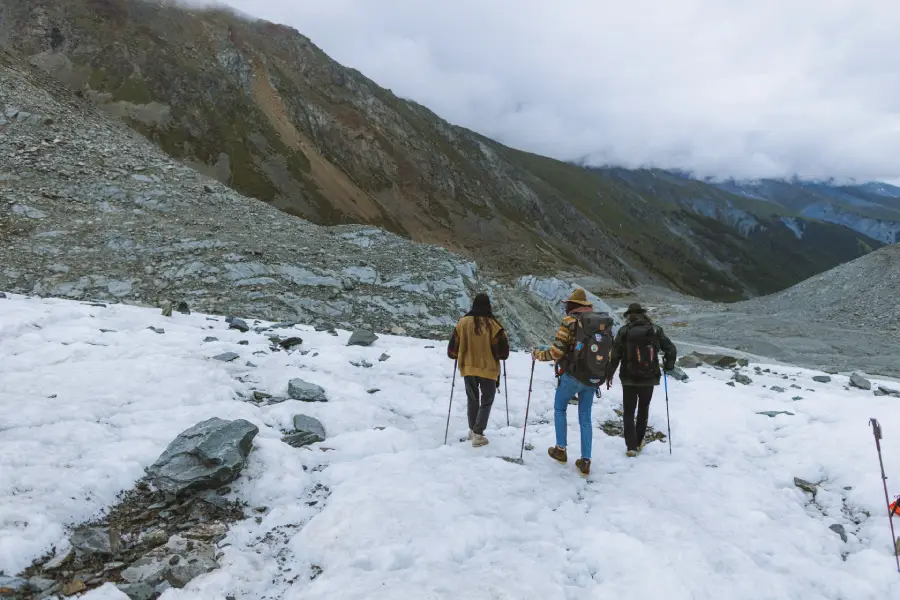
The trail includes forest paths, rocky sections, wooden bridges, gradual ascents, and occasional snow patches during winter months.
Weather
Weather changes quickly in the Himalayas. Warm sunny afternoons can become cold evenings, while sudden rain is common during monsoon.
Safety
The trek is generally safe with experienced guides. The nearest major medical facility is Community Health Centre, Purola (about 58 km from Sankri). Always trek with proper gear, stay hydrated, and follow your guide's instructions carefully.
Best Time to Visit Har Ki Dun Trek
Every season offers a unique experience, making Har Ki Dun one of Uttarakhand's most rewarding year-round Himalayan treks.
Winter (December – January)
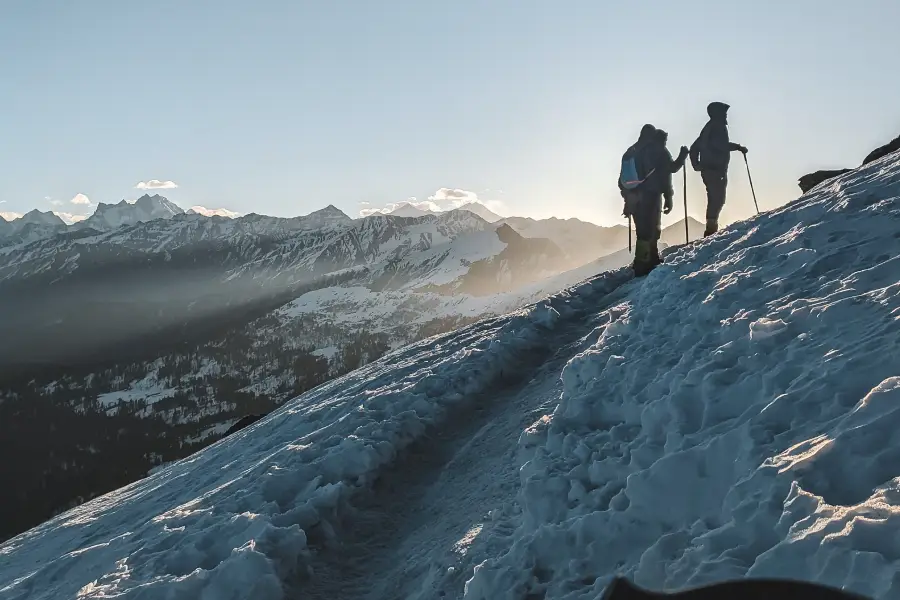
- Snow-covered forests, frozen landscapes, peaceful trails, and breathtaking white mountain scenery create an unforgettable winter trekking adventure.
Summer (April – June)
- Pleasant temperatures, blooming meadows, flowing rivers, and crystal-clear mountain views make this season ideal for beginners and families.
Spring & Autumn (March–April / September–November)
- Rhododendron blooms, vibrant forests, comfortable weather, colorful landscapes, and excellent visibility make these months perfect for photography and nature lovers.
Natural Attractions You See in Har Ki Dun Trek
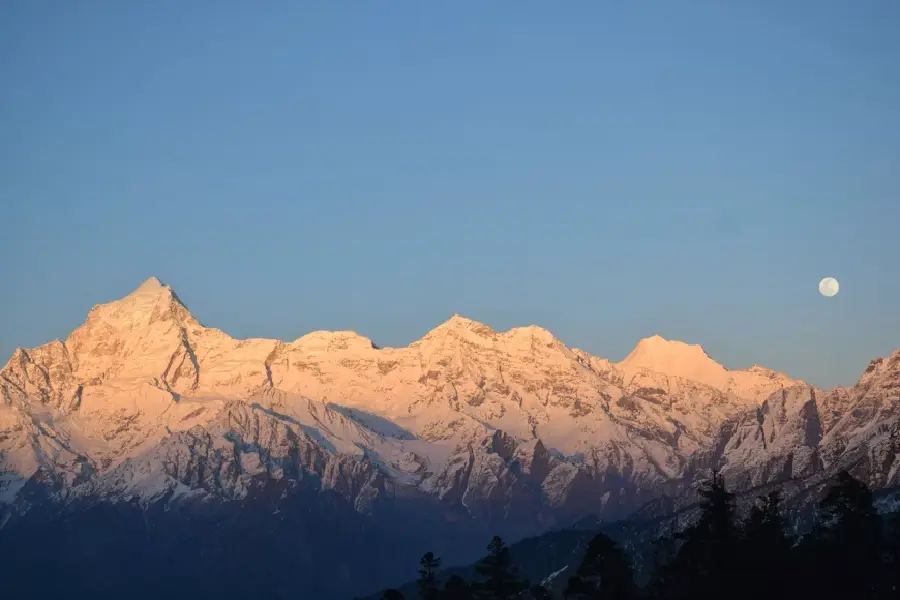
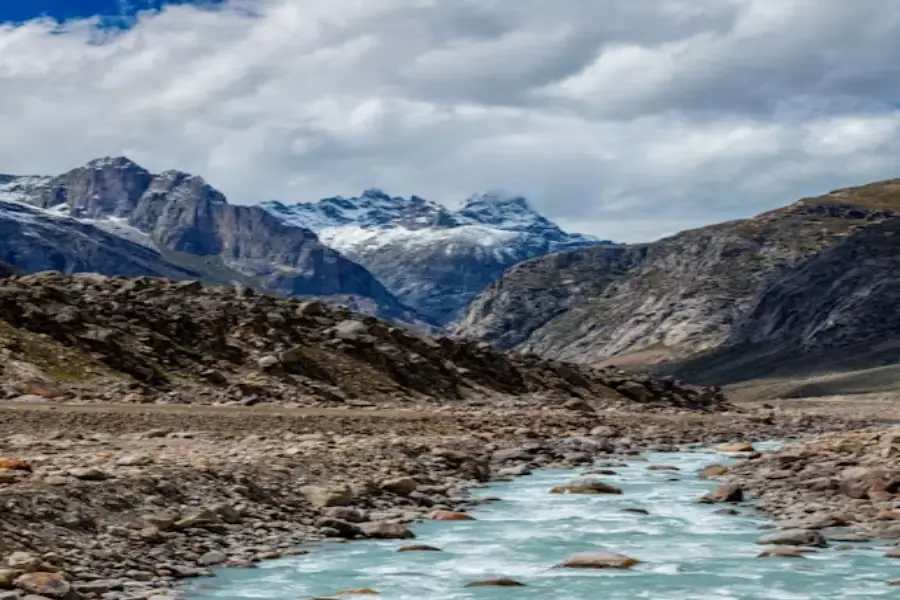
- Snow Peaks: Witness breathtaking views of Swargarohini, Black Peak (Kala Nag), Bandarpoonch, and Hata Peak throughout the trek.
- Waterfalls: Small glacier-fed waterfalls and crystal-clear mountain streams refresh the trail, especially during spring and summer.
- Forests: Walk through dense pine, deodar, oak, walnut, and rhododendron forests filled with fresh mountain fragrance.
- Meadows: Beautiful alpine bugyals and lush valleys open into wide landscapes surrounded by towering Himalayan mountains.
- Viewpoints: Har Ki Dun Valley viewpoint, Osla village viewpoints, and river crossings offer unforgettable panoramic Himalayan scenery.
Network Availability on Har Ki Dun Trek
- Sankri: Jio and BSNL provide the most reliable network, while Airtel offers limited connectivity.
- Taluka: Network becomes weak and unstable; only occasional BSNL signals may appear.
- Seema & Har Ki Dun: Mobile networks usually disappear completely. Enjoy a true digital detox throughout the valley.
- Internet: Mobile data rarely works beyond Sankri, so inform your family before starting the trek.
Charging on Har Ki Dun Trek
- Can we charge phones? Charging is available at some guesthouses in Sankri before and after the trek.
- Power Banks: Carry at least a 20,000–30,000 mAh power bank since charging facilities are unavailable during trekking.
- Generator: Some Sankri accommodations use generators during electricity interruptions, but charging availability cannot always be guaranteed.
- Solar Charging: Trek leaders occasionally carry solar panels, but personal solar chargers can be useful for longer expeditions.
Hidden Photography Spots in Har Ki Dun Trek
- Top Photography Spots: Har Ki Dun Valley, Osla Village, Seema Bridge, alpine meadows, and Swargarohini viewpoints.
- Best Sunrise Location: Campsite near Har Ki Dun Valley offers spectacular golden sunrise over snow-covered Himalayan peaks.
- Best Sunset Point: Open meadows near Har Ki Dun campsite glow beautifully during evening light.
- Drone Photography: Drone flying may require forest department permission and should respect local wildlife regulations.
- Best Instagram Locations: Wooden bridges, ancient villages, colorful forests, alpine meadows, and panoramic Himalayan viewpoints create unforgettable photographs.
Wildlife You May See in Har Ki Dun Trek
- Birds: Himalayan Monal, Koklass Pheasant, Himalayan Griffon, Golden Eagle, and many colorful mountain bird species.
- Animals: Barking Deer, Himalayan Langur, Red Fox, Himalayan Black Bear (rare), and Goral may occasionally be spotted.
- Forests: Dense rhododendron, oak, pine, and deodar forests support rich Himalayan biodiversity throughout the route.
How to Plan Har Ki Dun Trek from Different Regions of India
From West India (Mumbai, Pune, Ahmedabad)
By Flight
| From City | Destination | Flight Duration | Major Airlines |
|---|---|---|---|
| Mumbai | Dehradun | 2.5–3 hrs | IndiGo, Air India |
| Pune | Dehradun | 3–4 hrs | IndiGo |
| Ahmedabad | Dehradun | 2–3 hrs | IndiGo |
By Train
| Train | Train No. | From | Duration |
|---|---|---|---|
| Dehradun Express | 19019 | Mumbai | 30–32 hrs |
| Ujjaini Express + Connection | Multiple | Ahmedabad | 24–28 hrs |
| Pune–Delhi + Dehradun Train | Multiple | Pune | 32–36 hrs |
By Bus & Taxi
| Starting Point | ISBT | Bus Timing |
|---|---|---|
| Dehradun | ISBT Dehradun | Regular buses from 5:00 AM–8:00 AM towards Sankri via Purola |
Private taxi from Dehradun to Sankri takes approximately 8–9 hours.
From East India (Kolkata, Bhubaneswar, Patna)
By Flight
| From City | Destination | Flight Duration | Major Airlines |
|---|---|---|---|
| Kolkata | Dehradun | 2.5–3 hrs | |
| Bhubaneswar | Dehradun | 3.5–5 hrs | |
| Patna | Dehradun | 2 hrs |
By Train
| Train | Train No. | From | Duration |
|---|---|---|---|
| Upasana Express | 12327 | Kolkata | 30 hrs |
| Doon Express | 13009 | Howrah | 35 hrs |
| Various Delhi Connections | Multiple | Patna | 18–22 hrs |
By Bus & Taxi
| Starting Point | ISBT | Bus Timing |
|---|---|---|
| Dehradun | ISBT Dehradun | Early morning buses available daily |
From South India (Bengaluru, Hyderabad, Chennai)
By Flight
| From City | Destination | Flight Duration | Major Airlines |
|---|---|---|---|
| Bengaluru | Dehradun | 3 hrs | |
| Hyderabad | Dehradun | 2.5 hrs | |
| Chennai | Dehradun | 3.5–4 hrs |
By Train
| Train | Train No. | From | Duration |
|---|---|---|---|
| Karnataka Express + Connection | Multiple | Bengaluru | 42–48 hrs |
| Telangana Express + Connection | Multiple | Hyderabad | 30–36 hrs |
| Tamil Nadu Express + Connection | Multiple | Chennai | 38–42 hrs |
By Bus & Taxi
| Starting Point | ISBT | Bus Timing |
|---|---|---|
| Dehradun | ISBT Dehradun | Daily buses available during morning hours |
From North India (Delhi, Chandigarh, Jaipur)
By Flight
| From City | Destination | Flight Duration | Major Airlines |
|---|---|---|---|
| Delhi | Dehradun | 1 hr | |
| Chandigarh | Dehradun | 50–60 min | |
| Jaipur | Dehradun | 1.5 hrs |
By Train
| Train | Train No. | From | Duration |
|---|---|---|---|
| Nanda Devi Express | 12205 | Delhi | 6 hrs |
| Jan Shatabdi Express | 12055 | Delhi | 5.5 hrs |
| Utkal Express | Multiple | Chandigarh (via Delhi) | 8–10 hrs |
By Bus & Taxi
| Starting Point | ISBT | Bus Timing |
|---|---|---|
| Delhi ISBT Kashmere Gate | Overnight Volvo | 9:00 PM–11:30 PM |
| Dehradun ISBT | Sankri Bus | 5:00 AM–8:00 AM |
Meal & Stay in Har Ki Dun Trek
Whether you're looking for a comfortable hotel, a private villa, a cozy homestay, or premium accommodation before your trek, TripPlanning arranges stays that match your budget and travel style. During the trek, you'll enjoy freshly prepared local meals, while before and after the trek, we can arrange luxury hotels, peaceful resorts, or private cottages for couples, families, corporate groups, and friends.
How TripPlanning Makes Your Har Ki Dun Trek Plan Easy
Planning a Himalayan trek becomes simple when every detail is handled for you. TripPlanning helps you travel comfortably from your nearest airport, railway station, or bus station with reliable pickup and drop cab services. We also arrange hotels, private villas, family-friendly stays, premium cottages, and delicious meals according to your preferences, allowing you to enjoy a completely stress-free trekking experience.
Our Other Travel Services
- Har Ki Dun Trek Packages
- Private Cab Services
- Airport, Railway Station & Bus Station Transfers
- Hotel Booking
- Private Villa Booking
- Homestay Booking
- Camping Experiences
- River Rafting
- Adventure Activities
- Bike Rental
- Scooty Rental
- Family Tour Packages
- Couple Tour Packages
- Corporate Group Tours
- Yoga & Wellness Retreats
- Local Sightseeing Tours
Packing List for Har Ki Dun Trek
Choose your gear according to the season and your trekking experience. Packing smart keeps your backpack light and your journey comfortable.
Winter (December – February)
Basic Gear
- Beginner: Carry a 40–50L backpack, trekking pole, rain cover, water bottles, and a headlamp for snowy trails.
- Advanced: Add gaiters, microspikes, insulated bottle cover, and lightweight dry bags for extra protection in freezing weather.
- Pro: Include GPS device, emergency bivy, compact repair kit, and lightweight trekking equipment for longer winter expeditions.
Clothes
- Beginner: Thermal innerwear, fleece jacket, heavy down jacket, waterproof outer layer, trekking pants, and warm socks.
- Advanced: Use moisture-wicking base layers with lightweight insulated clothing for better warmth and comfort during long trekking days.
- Pro: Pack technical layering systems that balance insulation, ventilation, and movement in changing Himalayan weather.
Head Gear
- Wool cap, neck gaiter, balaclava, UV sunglasses, and sunscreen protect against freezing winds and strong mountain sunlight.
Foot Gear
- Waterproof trekking shoes with excellent grip, wool socks, gaiters, and spare socks help keep your feet warm and dry.
Utility
- First-aid kit, power bank, snacks, personal medicines, lip balm, moisturizer, hand sanitizer, and waterproof phone pouch.
Packing Weight Guide
- Beginner: 8–10 kg
- Advanced: 7–9 kg
- Pro: 6–8 kg
Summer (April – June)
Basic Gear
- Lightweight backpack, trekking poles, refillable water bottles, rain cover, and trekking gloves provide excellent comfort on pleasant trails.
Clothes
- Quick-dry T-shirts, lightweight fleece, trekking pants, light jacket, breathable innerwear, and comfortable trekking socks.
Head Gear
- Sun cap, sunglasses, buff, and sunscreen help protect against strong UV rays at higher elevations.
Foot Gear
- Breathable trekking shoes with good grip, comfortable socks, and lightweight sandals for campsite relaxation.
Utility
- Energy bars, water purifier tablets, power bank, first-aid kit, insect repellent, and personal toiletries.
Packing Weight Guide
- Beginner: 7–9 kg
- Advanced: 6–8 kg
- Pro: 5–7 kg
Spring & Autumn (March, September – November)
Basic Gear
- Carry versatile trekking gear suitable for cool mornings, warm afternoons, and occasional mountain showers.
Clothes
- Layering works best with fleece, windproof jacket, trekking pants, moisture-wicking T-shirts, and thermal layers for evenings.
Head Gear
- Warm cap for mornings, sun cap for afternoons, sunglasses, and neck buff for changing temperatures.
Foot Gear
- Waterproof trekking boots with reliable grip remain the safest choice throughout the trail.
Utility
- Camera, extra batteries, power bank, first-aid kit, rain jacket, snacks, and reusable water bottles.
Packing Weight Guide
- Beginner: 7–9 kg
- Advanced: 6–8 kg
- Pro: 5–7 kg
Mistakes First-Time Trekkers Make in Har Ki Dun Trek
- Wearing new trekking shoes without prior use often causes painful blisters.
- Carrying unnecessary luggage makes uphill climbs tiring and uncomfortable.
- Ignoring hydration and regular meals reduces energy during long trekking days.
- Walking too fast at higher altitudes increases fatigue and breathlessness.
- Skipping fitness preparation makes the trek more challenging than necessary.
Fitness Requirements for Har Ki Dun Trek
The Har Ki Dun Trek is beginner-friendly, but good fitness makes the journey more enjoyable. Building stamina, leg strength, and endurance before the trek helps you walk comfortably while enjoying the beautiful Himalayan scenery.
How to Get Fit for Har Ki Dun Trek
Age 10–18 Years
- Practice brisk walking, cycling, light jogging, and stair climbing regularly to improve stamina before the trek.
Age 19–35 Years
- Include jogging, strength training, squats, lunges, and weekend hikes to comfortably complete daily trekking distances.
Age 36–50 Years
- Focus on regular walking, moderate cardio, stretching, and leg-strength exercises while maintaining flexibility and endurance.
Age 50+ Years
- Consult your doctor before trekking and prepare with daily walks, breathing exercises, yoga, and light strength training.