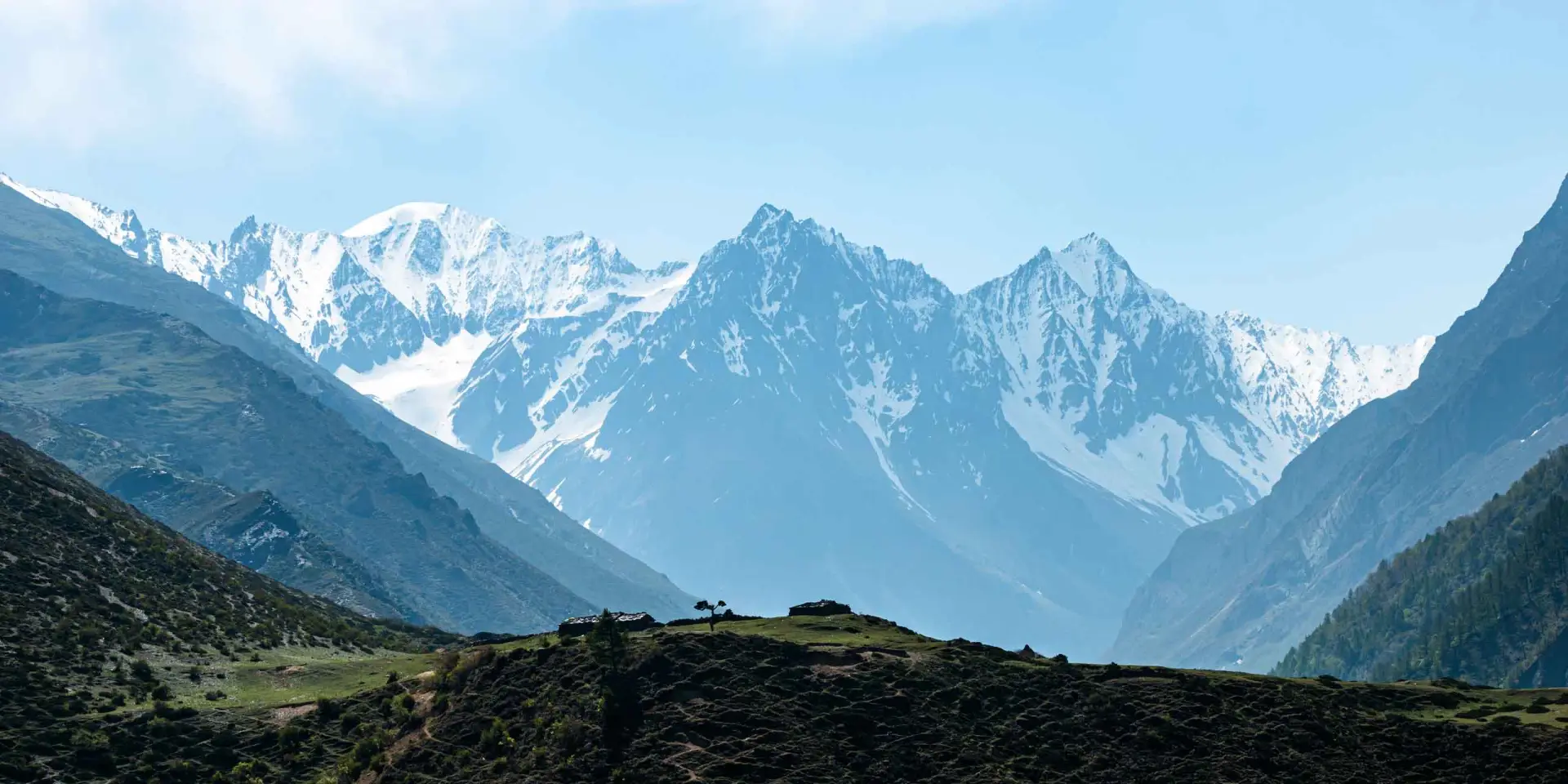
Hampta Pass Trek
Mountain views make the Hampta Pass Trek Package a dream for nature lovers, adventure seekers, and first-time trekkers looking for an unforgettable Himalayan experience.
- 5 Days (6 Days including Chandratal excursion)
- Max 4,270 m
- Moderate
- Best in Summer
- Duration
- 5 Days (6 Days including Chandratal excursion)
- Max altitude
- 4,270 m
- Difficulty
- Moderate
- Best season
- Summer
- Best months
- Jun - Sep
- Walking per day
- 7–10 km
- Location
- Kullu District to Lahaul Valley
- Trek type
- Pass Trek
The Hampta Pass Trek is a breathtaking Himalayan adventure where lush valleys, river crossings, snow-clad mountains, and dramatic landscapes create memories that stay with every trekker forever.
Trek information
| Information | Details |
|---|---|
| Region | Kullu & Lahaul, Himachal Pradesh |
| Base Camp | Jobra (near Manali) |
| Trek Main Location | Hampta Pass, Pir Panjal Range |
| Best Time Season Wise | Summer (Jun–Jul), Monsoon (Jul–Aug), Early Autumn (Sep) |
| Nearby Places to Explore | Chandratal Lake, Manali, Solang Valley, Atal Tunnel, Rohtang Pass |
| Nearest Market | Manali (Approx. 18 km from Jobra) |
| Nearest Airport | Bhuntar Airport, Kullu (Approx. 52 km) |
| Nearest Railway Station | Joginder Nagar Railway Station (Approx. 165 km) |
| Nearest Bus Station | Manali Bus Stand (Approx. 18 km) |
| Nearest Hospital | Mission Hospital, Manali (Approx. 18 km) |
| Nearest ATM | Manali Mall Road (Approx. 18 km) |
| Nearest Petrol Pump | Prini, Manali (Approx. 16 km) |
| Nearest Ambulance Contact | 108 Emergency Ambulance Service |
| Emergency Helpline | 112 (National Emergency), 108 (Medical Emergency) |
Day-by-day route
Day 1 – Manali to Jobra (Drive) & Trek to Chika (Approx. 2 km Trek)
- A short drive from Manali reaches Jobra, where the trek begins through beautiful forests and green meadows.
- What you'll see & feel: Towering pine forests, flowing streams, wildflowers, and fresh Himalayan air create an exciting start to your adventure.
Day 2 – Chika to Balu Ka Ghera (Approx. 8–9 km Trek)
- Trek gradually climbs through river valleys and wide alpine grasslands toward the next campsite.
- What you'll see & feel: Snow-fed streams, colorful flowers during summer, grazing sheep, dramatic mountain cliffs, and peaceful camping beside flowing rivers.
Day 3 – Balu Ka Ghera to Hampta Pass & Shea Goru (Approx. 10 km Trek)
- The most challenging and rewarding day crosses the spectacular Hampta Pass (4,270 m) before descending into Lahaul Valley.
- What you'll see & feel: Snowfields, glacier patches, breathtaking Himalayan panoramas, rocky landscapes, and an unforgettable transition from lush greenery to barren mountains.
Day 4 – Shea Goru to Chatru (Approx. 7 km Trek)
- Descend through rugged mountain terrain before reaching Chatru, where the trekking trail ends.
- What you'll see & feel: Dramatic valleys, glacial rivers, colorful rock formations, and magnificent Himalayan scenery unlike anywhere else in India.
Day 5 – Chatru to Chandratal Lake (Drive) & Return to Manali
- Drive through high-altitude mountain roads to the famous Chandratal Lake before returning to Manali.
- What you'll see & feel: Crystal-clear blue lake, reflections of snow-covered peaks, vast Himalayan landscapes, and one of the most beautiful endings to any Himalayan trek.
Difficulty
The Hampta Pass Trek is a moderate Himalayan trek that combines high altitude, river crossings, changing weather, and rocky terrain. With proper preparation and a reasonable fitness level, most beginners can complete it successfully.
Altitude
- At 4,270 meters, the thinner air can slow your pace. Walking steadily, staying hydrated, and acclimatizing properly help reduce altitude-related discomfort.
Terrain
- The trail includes forest paths, alpine meadows, rocky moraines, glacier sections, snow patches, and multiple river crossings, requiring careful footing throughout the trek.
Weather
- Mountain weather changes quickly. Bright sunshine can suddenly turn into rain, snowfall, or cold winds, so layered clothing is essential in every season.
Safety
- Crossing streams, walking on loose rocks, and changing weather require attention. The nearest reliable medical facility is Mission Hospital, Manali, while 108 Ambulance and 112 Emergency Helpline should be noted before starting.
Physical Fitness
- Trekkers should comfortably walk 8–10 km daily with gradual altitude gain while carrying a light backpack over consecutive days.
Mental Challenge
- Long trekking days, changing landscapes, and unpredictable weather test patience, but the incredible scenery makes every effort worthwhile.
Best time to go
The Hampta Pass Trek is best enjoyed from June to September, when the pass remains open and showcases its famous contrast between lush Kullu Valley and the barren Lahaul landscape.
Every month offers a unique experience, from snow-covered mountain passes to blooming meadows and crystal-clear alpine views.
Summer (June)
- Fresh snow remains near the pass, green valleys begin blooming, and pleasant daytime weather creates one of the most scenic trekking experiences.
Monsoon (July – August)
- Lush meadows, colorful wildflowers, flowing waterfalls, and dramatic cloud-covered mountains make this the most beautiful yet slightly wetter trekking season.
Early Autumn (September)
- Clear blue skies, crisp mountain air, fewer crowds, and spectacular Himalayan views make September ideal for photographers and experienced trekkers.
What you will see
Mountains
- Towering peaks of the Pir Panjal Range, Indrasan Peak, Deo Tibba, and surrounding snow-covered Himalayan mountains dominate the landscape.
Waterfalls
- Numerous waterfalls and glacier-fed streams flow across the trail, especially between Jobra, Chika, and Balu Ka Ghera.
Forest Types
- Dense forests of pine, deodar, maple, birch, and oak gradually give way to alpine grasslands and rocky mountain terrain.
Viewpoints
- Hampta Pass offers breathtaking panoramic views of both the lush Kullu Valley and the cold desert of Lahaul.
Snow Peaks
- Trekkers enjoy stunning views of Deo Tibba, Indrasan, surrounding glaciers, and snow-covered ridges throughout the expedition.
Phone network
Mobile Network
- Jio and Airtel work reasonably well in Manali, while BSNL offers limited connectivity in some remote areas.
Where Network Disappears
- Mobile signals usually disappear after leaving Jobra, with almost no reliable connectivity until reaching Chatru or returning toward Manali.
Internet Availability
- Mobile internet is available in Manali but remains unavailable across almost the entire trekking route.
Emergency Communication
- Trek leaders generally carry wireless communication or satellite-based emergency devices depending on the expedition organizer.
Charging
Can We Charge Phones?
- Charging facilities are available in Manali before the trek, but campsites along the trail usually do not provide electricity.
Power Banks
- Carry a 20,000–30,000 mAh power bank to comfortably charge phones, cameras, and GPS devices during the trek.
Generator
- Trek camps generally avoid generators to maintain the peaceful mountain environment and reduce environmental impact.
Solar Charging
- Some trekking operators use portable solar panels, though charging depends on sunlight and weather conditions.
How to reach
Reaching the Hampta Pass Trek is straightforward. Most trekkers first arrive in Manali, which serves as the gateway to the trek. From Manali, a short drive takes you to Jobra, the official base camp where the adventure begins.
From North India (Delhi, Chandigarh, Jaipur)
By Air
| From City | Destination | Flight Duration | Airlines |
|---|---|---|---|
| Delhi | Bhuntar (Kullu Airport) | 1 hr 20 min | Alliance Air |
| Chandigarh | Bhuntar | 1 hr (Seasonal/Connecting) | Alliance Air |
| Jaipur | Bhuntar | 3–4 hrs (via Delhi) | Alliance Air |
By Railway
| Train | Train No. | From City | Duration |
|---|---|---|---|
| Kalka Shatabdi Express | 12011 | New Delhi → Kalka | 4 hrs |
| Himalayan Queen | 14095 | Delhi → Kalka | 5–6 hrs |
| From Kalka | Taxi/Bus to Manali | 8–9 hrs | Road Journey |
By Bus & Taxi
| Details | Information |
|---|---|
| Nearest ISBT | ISBT Kashmere Gate, Delhi |
| Bus Timing | Volvo buses available daily between 6:00 PM and 11:00 PM |
| Destination | Manali Bus Stand |
| Taxi | Manali → Jobra Base Camp |
From West India (Mumbai, Ahmedabad, Pune)
By Air
| From City | Destination | Flight Duration | Airlines |
|---|---|---|---|
| Mumbai | Bhuntar | 3–5 hrs (via Delhi) | Alliance Air |
| Ahmedabad | Bhuntar | 4–5 hrs (via Delhi) | Alliance Air |
| Pune | Bhuntar | 4–6 hrs (via Delhi) | Alliance Air |
By Railway
| Train | Train No. | From City | Duration |
|---|---|---|---|
| Mumbai Rajdhani + Kalka Connection | Various | Mumbai | 24–28 hrs |
| Ahmedabad Rajdhani + Kalka | Various | Ahmedabad | 20–24 hrs |
| Pune via Delhi | Various | Pune | 28–32 hrs |
By Bus & Taxi
| Details | Information |
|---|---|
| Preferred Option | Fly to Bhuntar or Chandigarh |
| Taxi | Bhuntar → Manali → Jobra |
| Local Taxi | Available throughout Manali |
From East India (Kolkata, Patna, Bhubaneswar)
By Air
| From City | Destination | Flight Duration | Airlines |
|---|---|---|---|
| Kolkata | Bhuntar | 5–6 hrs (via Delhi) | Alliance Air |
| Patna | Bhuntar | 4–5 hrs (via Delhi) | Alliance Air |
| Bhubaneswar | Bhuntar | 5–7 hrs (via Delhi) | Alliance Air |
By Railway
| Train | Train No. | From City | Duration |
|---|---|---|---|
| Upasana Express | 12327 | Kolkata → Delhi | 22 hrs |
| Rajdhani + Kalka | Various | Patna | 16–18 hrs |
| Bhubaneswar Rajdhani | Various | Bhubaneswar | 28–30 hrs |
By Bus & Taxi
| Details | Information |
|---|---|
| Reach | Chandigarh or Delhi |
| Volvo Bus | Delhi → Manali (Overnight) |
| Taxi | Manali → Jobra |
From South India (Bengaluru, Hyderabad, Chennai)
By Air
| From City | Destination | Flight Duration | Airlines |
|---|---|---|---|
| Bengaluru | Bhuntar | 5–6 hrs (via Delhi) | Alliance Air |
| Hyderabad | Bhuntar | 4–5 hrs (via Delhi) | Alliance Air |
| Chennai | Bhuntar | 6–7 hrs (via Delhi) | Alliance Air |
By Railway
| Train | Train No. | From City | Duration |
|---|---|---|---|
| Karnataka Express | 12627 | Bengaluru → Delhi | 36 hrs |
| Telangana Express | 12723 | Hyderabad → Delhi | 24 hrs |
| Tamil Nadu Express | 12621 | Chennai → Delhi | 33 hrs |
Continue from Delhi to Manali by overnight Volvo bus or private taxi.
By Bus & Taxi
| Details | Information |
|---|---|
| Preferred Option | Fly to Bhuntar |
| Taxi | Bhuntar → Manali → Jobra |
| Shared Taxi | Easily available from Manali |
Meals and stay
Whether you prefer a luxury hotel before the trek, a peaceful riverside resort, a private villa, or a cozy mountain homestay in Manali, TripPlanning arranges accommodation that matches your comfort and budget. During the trek, you'll enjoy freshly prepared vegetarian meals, nutritious soups, tea, and energy-rich food to keep you comfortable throughout the Himalayan adventure.
Packing list
Summer (June–July)
Basic Gear
- Beginner: Carry a comfortable backpack, trekking pole, rain cover, reusable water bottle, sunglasses, sunscreen, and essential personal medicines.
- Advanced: Include trekking gaiters, hydration bladder, compact first-aid kit, microfiber towel, trekking map, and waterproof dry bags.
- Pro: Carry GPS tracker, ultralight trekking gear, emergency bivy, satellite communicator, and professional navigation equipment.
Clothes
- Moisture-wicking T-shirts, trekking pants, fleece jacket, insulated jacket, thermals, waterproof shell, gloves, and extra trekking socks.
Head Gear
- Sun cap, woollen cap, UV sunglasses, neck gaiter, and buff to protect against changing mountain weather.
Foot Gear
- Waterproof trekking boots with ankle support, camp shoes, woollen socks, quick-dry socks, and blister prevention tape.
Utility
- Headlamp, 20,000–30,000 mAh power bank, toiletries, energy bars, reusable lunch box, trekking gloves, lip balm, and camera.
Packing Weight Guide
- Beginner: 9–11 kg
- Advanced: 8–10 kg
- Professional: 7–9 kg
Autumn (July–August-September)
Carry high-quality waterproof clothing, backpack rain cover, quick-dry apparel, extra socks, waterproof gloves, and dry bags to protect electronics from rain.
Pack warm fleece layers, insulated jackets, thermal wear, waterproof trekking boots, gloves, and a woollen cap because temperatures become much colder.
Fitness needed
The Hampta Pass Trek requires good stamina, strong leg muscles, and healthy cardiovascular fitness. Preparing a few weeks in advance makes the trek significantly more enjoyable and reduces fatigue on steep climbs.
Questions about this trek
Where does the Hampta Pass Trek start?
When is the best time for the Hampta Pass Trek?
More Himalayan treks
Barsu Village, Uttarkashi District
Surya Top Trek
- 6 Days / 5 Nights
- 4,020 meters
- Moderate
Uttarkashi District
Sahastra Tal Trek
- 7–8 Days
- 4,600 m (Approx.)
- Difficult
Bageshwar District, Uttarakhand
Ranthan Kharak Trek
- 7 Days / 6 Nights
- 3,950 m (12,959 ft)
- Moderate
Joshimath, Chamoli District, Uttarakhand
Pangarchulla Peak Trek
- 6 Days / 5 Nights
- 4,630 m (15,190 ft)
- Difficult
Trek guides from our blog
26 Nov 2026 · 2 min read
Uttarakhand trek fees 2026–27: what the big operators charge, and what is extra
Indiahikes and Trek The Himalayas fees for 17 Uttarakhand treks side by side, plus the costs that are usually not in the price: GST, transport, permits and insurance.
26 Nov 2026 · 1 min read
Which Uttarakhand trek in which month: winter, spring, monsoon and autumn
Snow treks for winter, rhododendron forests in spring, the one valley made for the monsoon, and the high passes of autumn – the Uttarakhand treks that suit each season.
26 Nov 2026 · 1 min read
How to reach the trek start villages in Uttarakhand: Sankri, Lohajung, Chopta, Joshimath and more
Which railway station or airport to aim for, and how long the drive is, for the start villages of the most popular Uttarakhand treks.