10 Essential Tips to Complete the Ranthan Kharak Trek Route Safely Without Hiring an Expensive Guide
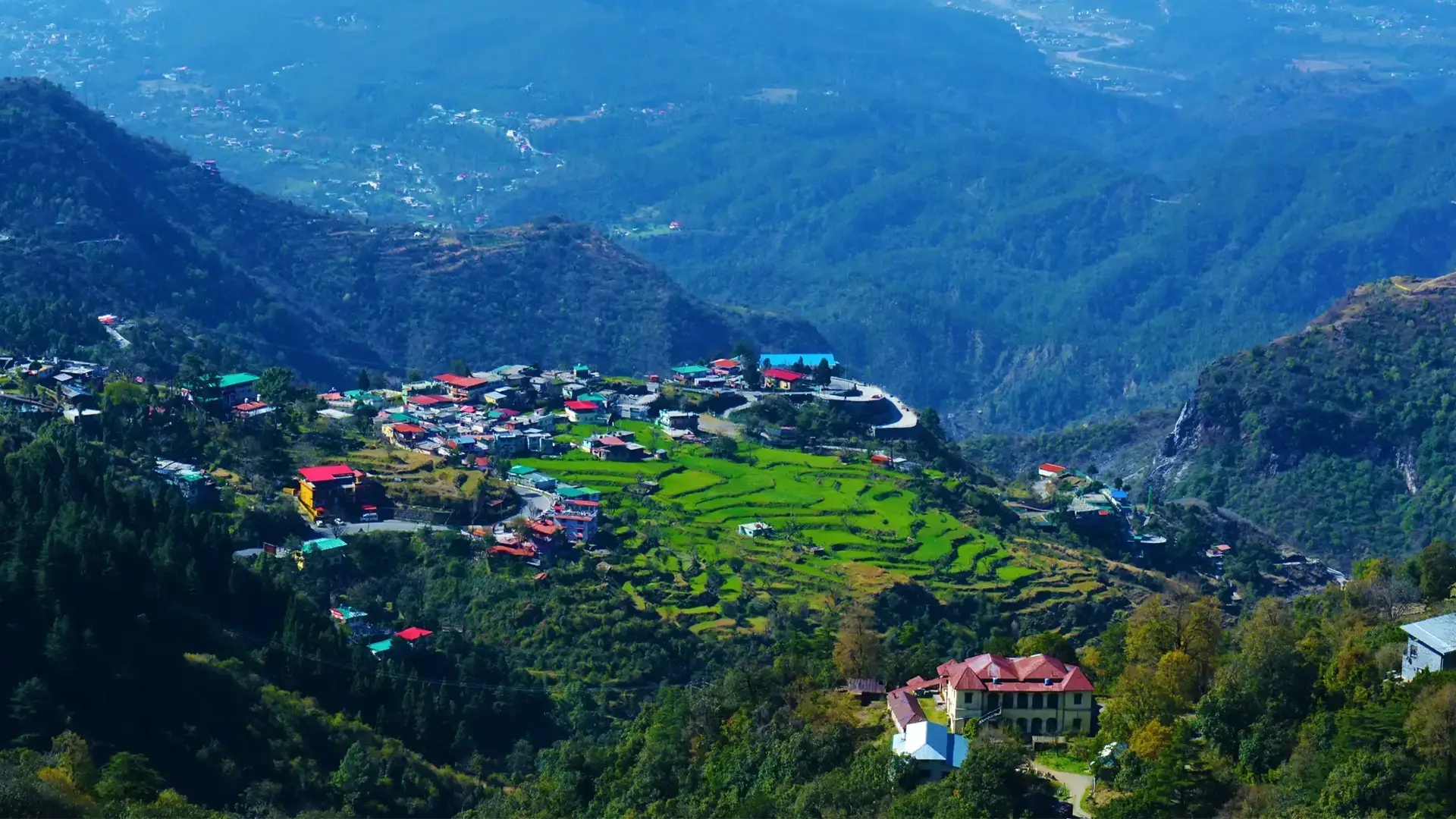
The Ranthan Kharak Trek Route is one of Uttarakhand's lesser-known Himalayan trails, offering peaceful forests, alpine meadows, panoramic mountain views, and a true wilderness experience. Unlike commercial treks crowded with hundreds of trekkers, this route allows you to enjoy nature in its purest form.
Many first-time trekkers believe that completing this trek requires an expensive guide or large trekking group. In reality, that's only partly true. With proper planning, basic trekking knowledge, and awareness of the terrain, many sections of the route can be completed safely without spending a fortune.
That said, trekking independently doesn't mean ignoring safety. Weather in the Himalayas can change quickly, trail conditions may vary, and remote areas have limited facilities. The secret isn't spending more money—it's preparing better.
This guide shares practical tips based on real trekking situations so you can enjoy the Ranthan Kharak Trek with confidence while avoiding common mistakes that often trouble beginners.
Ranthan Kharak Trek Route at a Glance
| Trek Detail | Information |
|---|---|
| Trek Name | Ranthan Kharak Trek |
| State | Uttarakhand |
| Region | Kumaon Himalayas |
| Trek Difficulty | Moderate |
| Ideal for | Beginners with basic fitness & experienced trekkers |
| Best Time | April–June & September–November |
| Approx. Trek Duration | 6–8 Days |
| Maximum Altitude | Around 3,900–4,000 metres |
| Trail Type | Forest, Meadows, Ridge & Mountain Trail |
| Mobile Network | Limited after the base village |
| Guide Requirement | Recommended but not mandatory for experienced planners |
Why the Ranthan Kharak Trek Route is Different from Other Himalayan Treks
If you've already explored popular trails like Kedarkantha or Brahmatal, the Ranthan Kharak Trek offers a completely different experience.
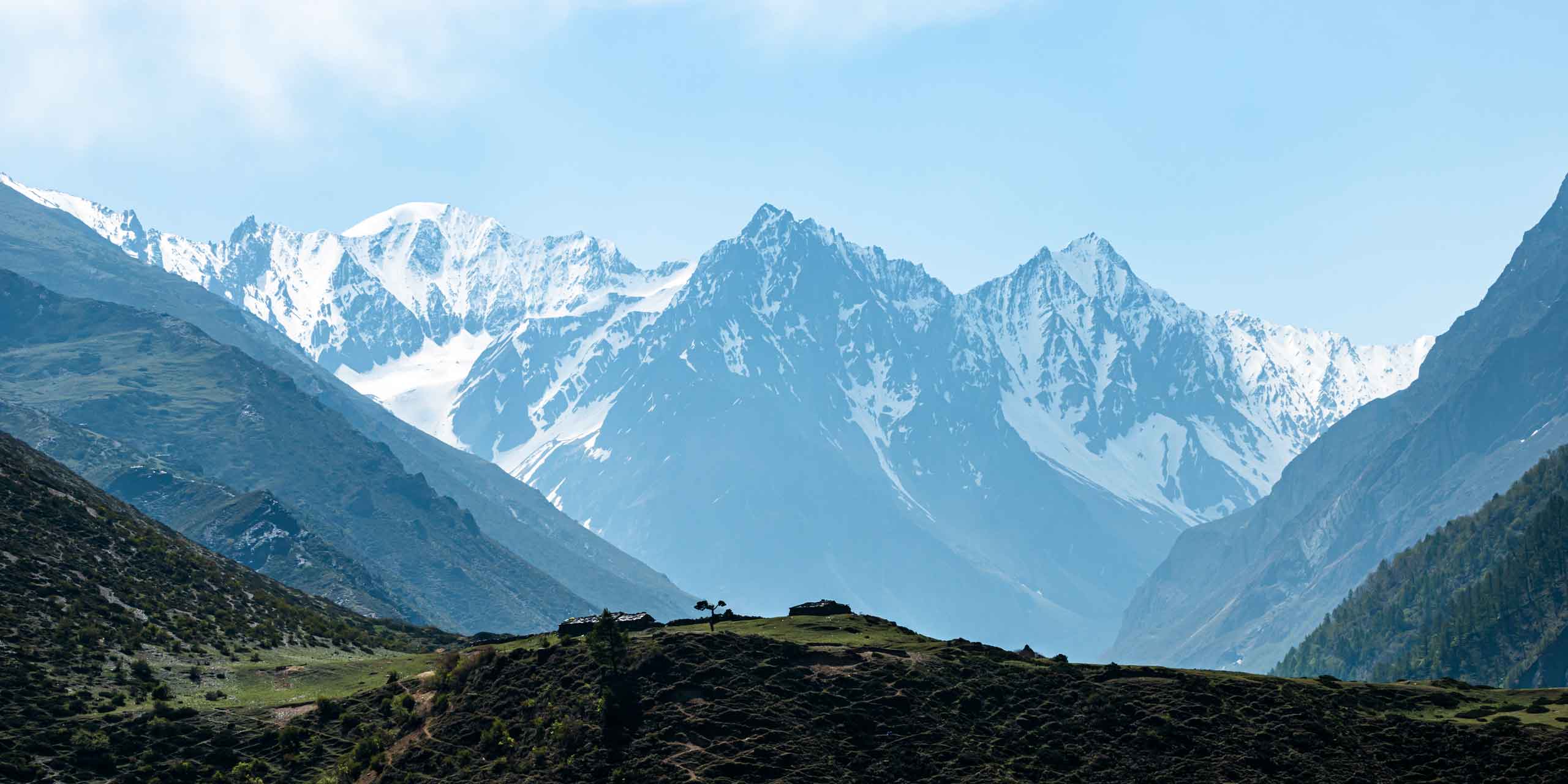
Instead of crowded campsites and busy trekking groups, you'll walk through dense oak and rhododendron forests, cross peaceful mountain villages, and camp in quiet alpine meadows surrounded by Himalayan peaks. On clear days, the route rewards trekkers with breathtaking views of famous snow-covered mountains, making every step worthwhile.
Another reason this trek stands out is its untouched beauty. Since fewer people visit this trail, you'll experience a more authentic side of Uttarakhand's Himalayas. However, that also means fewer shops, limited network coverage, and very basic facilities along the route. Good planning becomes more important than expensive equipment.
Is It Safe to Complete the Ranthan Kharak Trek Without Hiring an Expensive Guide?
Yes—but only if you're well prepared.
The Ranthan Kharak Trek is not a technical mountaineering expedition, but it does require careful planning. Weather changes, long walking hours, and remote sections demand respect for the mountains.
If you're trekking for the first time, travelling with experienced friends or choosing local logistical support can make your journey much smoother. Independent trekking works best when you've already researched the route, checked weather conditions, informed someone about your itinerary, and packed all the essentials.
Remember, saving money should never come at the cost of your safety.
Tip #1: Study the Complete Ranthan Kharak Trek Route Before You Leave Home
The biggest mistake many beginners make is relying only on social media reels or short travel videos.
A one-minute video cannot explain:
- Trail conditions
- Daily trekking distance
- Water availability
- Campsites
- Emergency exit points
- Weather changes
- Steep climbing sections
Spend time understanding the complete route before your journey. Learn where each campsite is located, how many kilometres you'll cover each day, and where you'll find food or water sources.
Keeping an offline map downloaded on your phone is also a smart decision because mobile networks become unreliable after the base village.
The more familiar you are with the route, the more confident you'll feel while trekking.
Tip #2: Never Ignore Weather Forecasts in the Himalayas
Many people check the weather only once before leaving home and assume everything will remain the same throughout the trek.
Unfortunately, Himalayan weather doesn't work like that.
A bright sunny morning can quickly turn into rain, dense fog, or even snowfall depending on the season.
Before starting each day's walk, check:
- Rain predictions
- Wind speed
- Temperature
- Visibility
- Chances of snowfall (during colder months)
If local villagers or experienced trekkers advise delaying your trek due to bad weather, take their advice seriously. They understand the mountains much better than any weather app.
Carrying a lightweight rain jacket, backpack cover, and waterproof bags for electronics can save your trip from unexpected weather conditions.
Tip #3: Build Your Fitness at Least One Month Before the Trek
One of the most common reasons people struggle on the Ranthan Kharak Trek isn't the route—it's poor preparation.
You don't need to become an athlete, but your body should be ready for several days of continuous walking with a backpack.
A simple one-month fitness routine can make a huge difference:
- Walk or jog for 5–6 km, five days a week.
- Climb stairs instead of using lifts whenever possible.
- Practice squats and lunges to strengthen your legs.
- Improve your stamina with light cardio exercises.
- Carry a small backpack during practice walks to get used to extra weight.
Good fitness not only makes trekking easier but also reduces the risk of fatigue, muscle strain, and injuries on uneven mountain trails.
Tip #4: Pack Light, But Never Leave Behind Safety Essentials
Many first-time trekkers either carry far too much or pack so little that they struggle when conditions change. The goal isn't to have the biggest backpack—it's to carry the right items.
Every extra kilogram feels heavier after several hours of climbing. On the other hand, forgetting basic essentials like a torch or first-aid kit can turn a small inconvenience into a serious problem.
Your backpack should include:
- Comfortable trekking shoes with good grip
- Rain jacket or poncho
- Warm fleece and insulated jacket
- Thermal wear (during colder months)
- Woollen cap and gloves
- Two to three pairs of trekking socks
- Reusable water bottles (2 litres minimum)
- Energy bars, dry fruits, and chocolates
- Personal medicines
- Basic first-aid kit
- Sunscreen (SPF 50+)
- Sunglasses with UV protection
- Power bank
- Headlamp or torch with extra batteries
- Trekking poles (optional but highly recommended)
Instead of buying expensive trekking gear, invest in good-quality shoes. Comfortable footwear contributes more to a successful trek than costly gadgets.
Tip #5: Learn Basic Navigation Before You Depend on Mobile Phones
One of the biggest misconceptions among beginners is that Google Maps will guide them throughout the trek.
The reality is quite different.
As you move deeper into the mountains, mobile networks become unreliable or disappear completely. Even GPS may not always provide accurate trekking trails.
Before your journey:
- Download offline maps.
- Save important locations on your phone.
- Carry a printed itinerary.
- Learn the names of villages and campsites.
- Note emergency contact numbers before entering low-network areas.
Pay attention to trail markings, cairns (small stone piles), and local signboards. If you reach a confusing trail junction, avoid making assumptions. It's always better to ask local residents or fellow trekkers than risk taking the wrong path.
Good navigation skills don't require expensive equipment—just thoughtful preparation.
Tip #6: Stay Hydrated and Eat Enough Throughout the Trek
Many trekkers unknowingly reduce their water intake because they don't feel thirsty in cool mountain weather.
This is a mistake.
Even in low temperatures, your body loses fluids while climbing. Dehydration can lead to headaches, fatigue, dizziness, and muscle cramps, making the trek much harder than it needs to be.
Simple hydration tips:
- Drink small amounts of water regularly instead of waiting until you're thirsty.
- Refill your bottles whenever you find a safe water source.
- Use water purification tablets or portable filters if you're unsure about the water quality.
- Carry electrolyte powder to replace lost minerals.
Food is equally important.
Instead of eating one heavy meal, choose small energy-rich snacks during breaks.
Good options include:
- Dry fruits
- Peanuts
- Energy bars
- Jaggery
- Bananas
- Peanut butter sandwiches
These foods provide steady energy without making you feel sluggish.
Tip #7: Respect Mountain Weather and Start Trekking Early Every Morning
Experienced Himalayan trekkers follow one simple rule:
Start early and finish early.
Morning hours usually offer:
- Clear skies
- Pleasant temperatures
- Better visibility
- Safer trail conditions
As the day progresses, clouds often gather, reducing visibility and increasing the chances of rain or thunderstorms.
Aim to begin trekking shortly after sunrise and reach your campsite by mid-afternoon whenever possible.
This gives you enough time to:
- Settle into camp comfortably.
- Rest before sunset.
- Handle unexpected delays without rushing.
- Avoid walking on unfamiliar trails after dark.
Never underestimate how quickly mountain conditions can change. A trail that feels easy in the morning may become slippery and challenging after rain.
Tip #8: Understand Your Limits—The Mountains Will Always Be There
One of the biggest mistakes first-time trekkers make is trying to prove something to themselves or others. Social media often shows only the summit photos, but it rarely shows the exhaustion, bad weather, or difficult moments along the trail.
The Ranthan Kharak Trek is meant to be enjoyed, not rushed.
If you feel unusually tired, develop a headache, or notice signs of altitude sickness, don't ignore them just because others are moving ahead. Taking an extra break or even turning back is sometimes the safest decision.
Remember, reaching the campsite is important, but returning home safely is even more important.
A successful trek isn't measured by how fast you finish—it’s measured by the memories you create and the safe return you make.
Tip #9: Follow the "Leave No Trace" Principle
The beauty of the Ranthan Kharak Trek lies in its untouched forests, peaceful meadows, and clean mountain environment. Every trekker has a responsibility to protect it.
Simple actions can make a big difference:
- Carry all plastic waste back with you.
- Avoid throwing food scraps on the trail.
- Use reusable water bottles instead of disposable plastic bottles.
- Respect local villages, temples, and cultural traditions.
- Keep noise levels low so everyone can enjoy the peaceful surroundings.
- Never damage plants or disturb wildlife.
Responsible trekking ensures that future visitors can experience the same natural beauty that you enjoyed.
Tip #10: Don't Confuse an Expensive Guide with Good Planning
Many travel advertisements suggest that a costly trekking package is the only way to complete a Himalayan trek safely.
That's not always true.
If you've researched the route, prepared physically, packed wisely, monitored the weather, and arranged your transport and accommodation properly, you can significantly reduce unnecessary expenses.
However, there are situations where hiring local support is a smart decision, such as:
- You're trekking during heavy snowfall.
- The route has recently changed due to landslides.
- You're travelling alone for the first time.
- Your group has children or senior citizens.
- You're unfamiliar with Himalayan trekking.
Instead of paying for unnecessary luxury services, invest in things that genuinely improve your safety—good trekking shoes, quality rain gear, travel insurance (if available), and reliable transportation.
The smartest trekkers don't always spend the most money—they make the best decisions.
Why TripPlanning Is a Reliable Travel Partner for the Ranthan Kharak Trek
Planning a Himalayan trek involves much more than reaching the starting point. Transport, accommodation, local coordination, and weather updates all play an important role in ensuring a smooth experience.
At TripPlanning, we aim to simplify your journey by taking care of these practical arrangements, allowing you to focus on the trek itself.
Our trekking support includes:
- Private and shared taxi services from major Uttarakhand cities.
- Comfortable hotels, homestays, and guesthouses.
- Custom trekking itineraries based on your travel schedule.
- Group departures for solo travellers looking to join others.
- Local route guidance and logistics support.
- Family, couple, corporate, and adventure travel packages.
- Assistance with nearby sightseeing before or after your trek.
Whether you're planning your first Himalayan adventure or returning for another trekking season, our team helps you travel with confidence and convenience.
Conclusion
The Ranthan Kharak Trek Route isn't about spending the most money—it's about making the right decisions before you step onto the trail.
With proper fitness, careful planning, smart packing, and respect for mountain conditions, many trekkers can complete this beautiful Himalayan journey without hiring an expensive guide.
The mountains reward patience, preparation, and responsibility. Walk at your own pace, stay aware of your surroundings, and enjoy every moment of the journey. The peaceful forests, alpine meadows, and breathtaking Himalayan views make every step worthwhile.
If you need assistance with transport, accommodation, or customised trekking plans, TripPlanning is always ready to help make your Himalayan adventure smoother and more enjoyable.
Latest Blogs