
Why is Hampta Pass a Must- Do Trek?
- Hampta Pass is a high-altitude crossover trek that connects the lush green Kullu Valley to the stark, arid landscapes of the Lahaul region.
- The dramatic shift in scenery during this trek is nothing short of stunning, with every day bringing a new backdrop.
- Stream crossings add a thrill to the adventure, especially as you wade through icy, gushing waters using ropes for support.
- Standing at over 14,000 ft, the view from Hampta Pass showcases towering peaks and dramatic valleys.
- The close-up views of Mt. Indrasan and Mt. Deo Tibba are a visual treat for mountain lovers and photography enthusiasts alike.
- Each campsite like Shea Goru, Chhika, and Balu Ka Ghera, is scenically placed, surrounded by mountains and streams.
- The trek offers a moderate challenge, making it ideal for beginners with good preparation who want to experience a high-altitude pass without extreme difficulty.
- A major highlight of Hampta Pass trek is the visit to the stunning Chandratal Lake, a crescent-shaped alpine lake with unreal blue hues.
- During the summer and monsoon months, the valley blooms with vibrant wildflowers and diverse wildlife.
Major Attractions of the Hampta Pass Trek
- Hampta Pass: The most significant part of the trek, the Hampta Pass crossing is an adventure in itself. Being at a high altitude it tests your endurance and strength, but the surrounding views make up for it. The pass itself is a wide passage that goes on for some time, once you are at the pass you get closest to the Deotibba and Indrasan peak.
- River Crossings: The trek is full of exciting moments, and crossing rivers with the help of ropes is one of the most adventurous parts. You’ll cross fast-flowing mountain streams and icy rivers at two points, once while trekking from Chika to Balu Ka Ghera, and again from Shea Goru to Chatru. These rope crossings not only give a thrilling experience but also bring out teamwork and courage, making them some of the most memorable highlights of the trek.
- Scenic campsites: Another beautiful aspect of the Hampta Pass Trekking experience is the chance to camp at some truly magical spots. From the open green meadows of Chika, where you fall asleep to the sound of a flowing river, to Balu ka Gera, surrounded by snow-draped peaks, and the remote setting of Shea Goru, each campsite feels like a beautiful resting spot.
- Chandratal: An additional beauty to the trek, Chandratal Lake is a serene glacial lake located in the Spiti region. The name means “Moon Lake,” and true to its name, it has a quiet, otherworldly charm. Surrounded by mountains and set against the wide blue sky, the lake’s crystal-clear waters reflect the changing colors of the sky throughout the day. Reaching Chandratal at the end of the trek feels like a dream, and spending time here is peaceful and calming.
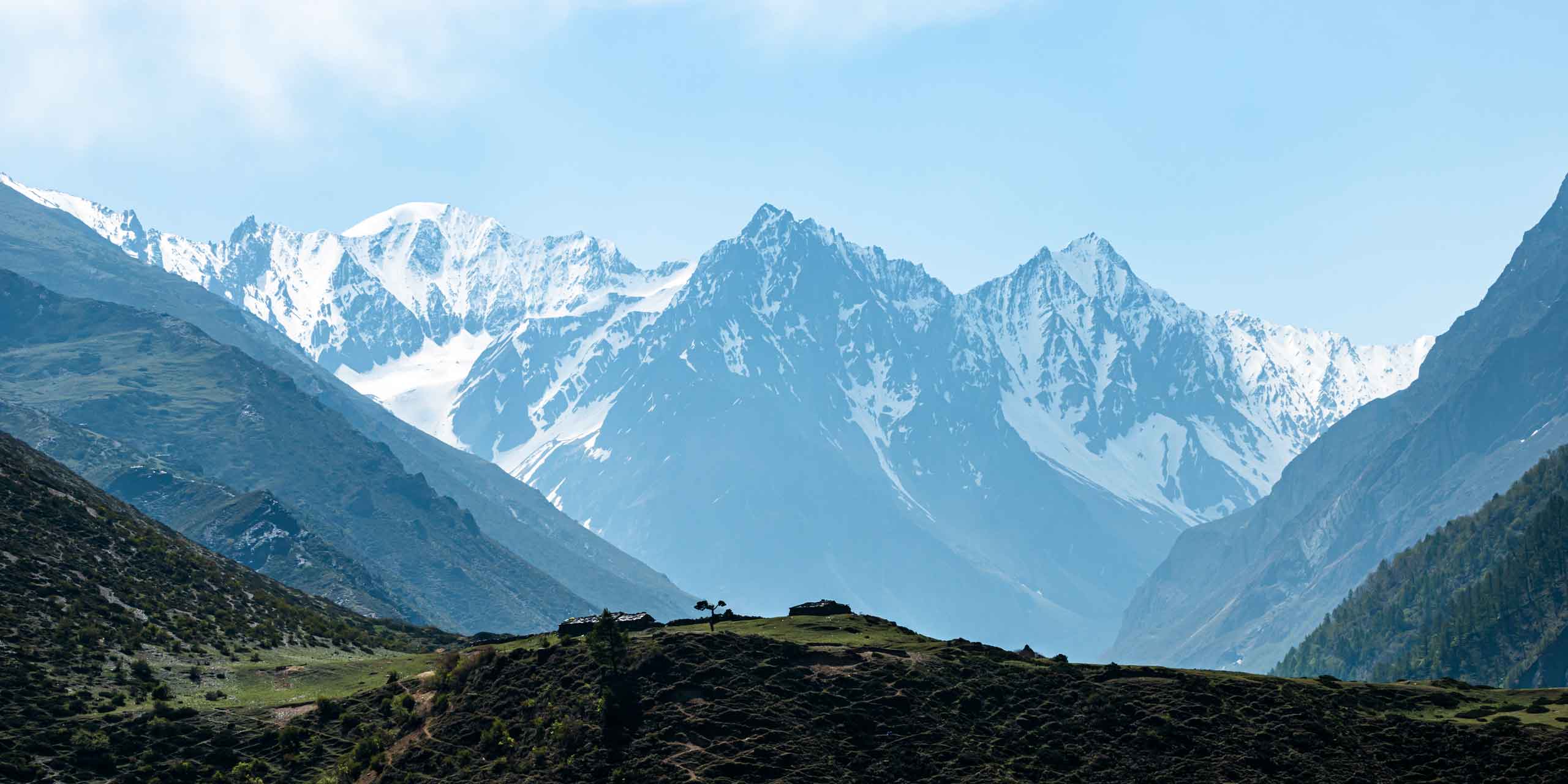
- Mountain Views: The Hampta Pass trek offers some of the best panoramic views of the Himalayas. From snow-covered peaks to deep valleys and glacier fields, the scenery constantly evolves. On clear days, you can spot peaks like Indrasan, Deo Tibba, and their glaciers. These views not only offer great photo opportunities but also a deep sense of connection to the majestic scale of the mountains around you.
- The change in Terrains: Hampta Pass Trek takes you through a variety of terrains. The journey begins in dense forests,moves into wide green meadows, and gradually leads to rocky trails, snowy slopes, and barren deserts of Spiti. This continuous change keeps the trek exciting and refreshing. It’s like walking through different worlds within a few days.
Hampta Pass Trek – A Journey Through Two Worlds
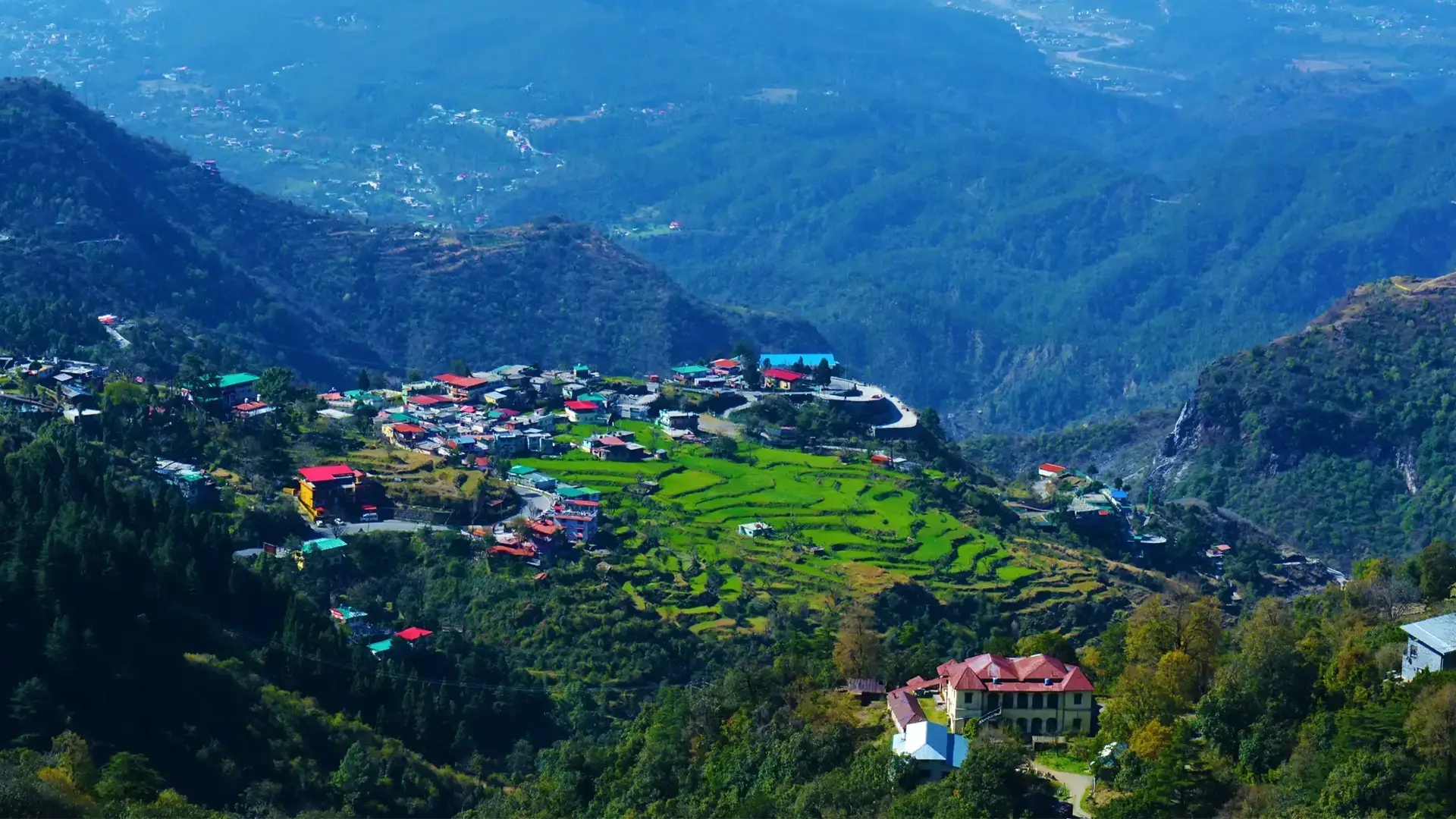
The Hampta Pass trek is one of the most dramatic and equally breathtaking treks in India. It is also called a “crossover path” because it connects two entirely different Himalayan landscapes in a single trip. It offers a visually captivating transition from lush green Kullu Valley into the barren, moon-like landscapes of Lahaul Valley. One moment you are walking through dense forests, mesmerizing waterfalls, and flower-laden meadows, and the next you are surrounded by rocky mountains and cold desert terrain.
Hampta Pass is the perfect balance of adventure, beauty, and accessibility for beginners as well as experienced trekkers. This striking contrast makes it truly special, which is why the route remains visually rich throughout the journey. The biggest attraction of the trek is crossing the Pass itself. Standing at the top provides you with incredible views of snow-covered Himalayan peaks and deep valleys. The sense of accomplishment at the pass is unforgettable.
This trek is also famous for its scenic campsites, which are surrounded by steep mountains, glacial rivers, and open meadows. You have to cross the freezing waters of different streams a couple of times, which adds an exciting adventure to the journey. Finally, the excursion to the Chandratal Lake is the icing on the cake. This lake is famous for its crystal-clear blue water and stunning mountain reflections.
What Can You Expect During the Hampta Pass Trek?
The uniqueness of the Hampta Pass trek makes it stand out from the majority of treks in India.
- One of the most distinct features you can expect on this journey is the dramatic change in landscapes. In the first half of the trip, you are enjoying the lush green landscapes of the Kullu Valley, and as you cross the pass, the scenery suddenly transforms into the barren and rugged terrain of the Lahaul Valley.
- The next unique feature you should expect on this trek is the adventurous river crossings. There are moments when you have to walk through icy glacier streams that flow rapidly from the mountains. These crossings add an element of excitement and fun to make the journey more immersive. Snow is another key highlight, and you can find a few snow patches near the pass, making the journey thrilling and visually stunning.
- The next great feature you can expect here is the exceptionally beautiful campsites. Chika feels like a peaceful Himalayan paradise, which is surrounded by vast green meadows, wildflowers, and snow-covered mountains. Balu Ka Ghera is located in a wide valley dominated by towering rocky peaks. The terrain here has broad stretches of riverbed shaped by glaciers and streams. Shea Goru is surrounded by snowfields, glaciers, and rugged mountains, transforming it into a cold desert-like beauty.
- The next thing you can expect on this trek is constantly changing weather conditions. Bright sunshine can suddenly turn into mist, rain, or snowfall, adding unpredictability to the adventure. Overall, the Hampta Pass trek combines adventure, natural beauty, contrasting landscapes, and high-altitude excitement.
- Hanging glaciers are the next prominent highlight to expect on this trek, especially in the months of June and July. You can spot them near “Balu Ka Ghera” and “Shea Goru” campsites, suspended dramatically along the mountain slopes.
Best Time to Do the Hampta Pass Trek
The best time for the Hampta Pass Trek is during the monsoon months from June to September. The monsoon season transforms this entire region into a lush and vibrant paradise. These months offer pleasant weather, blooming meadows, flowing rivers, clear skies, and just the right amount of snow in higher regions.
If you want to experience snow on the trail, June is the ideal month to plan your trek. Early June usually offers snow-covered sections.
July and August are considered the peak months when trails are accessible, and nature is at its finest. The scenery is especially stunning, with waterfalls, wildflowers, and rich greenery throughout the route.
September is another excellent month for the trek, which brings crisp mountain views, clear skies, and beautiful autumn colours.
Overall, late June to early September is considered the best time for the Hampta Pass trek, offering the perfect balance of adventure, scenic beauty, and favorable trekking conditions.
Mid-June to Early July
This season is best for snow experience + adventure. You will see: snowfields near the pass, frozen streams and icy crossings, stark contrast between valleys and mountains. The daytime temperature ranges from 10 to 20 degrees; nighttime temperature drops to 0 to 4 degrees.
July to August
This season is best for green landscapes + waterfalls. You’ll see: bright green meadows, wildflowers, rapidly flowing rivers, and misty mountain views. The daytime temperature in July remains 10 to 18 degrees; nighttime temperature: -2 to 6 degrees. In August, the average daytime temperature is 13 to 20 degrees, and at night, it drops to 0 degrees or slightly below.
Post-Monsoon Autumn (September)
This season has great overall trekking conditions. Many experienced trekkers consider this season a sweet spot. You’ll see: crustal-clear skies, refreshing greenery, stable weather, clear mountain views, and safer river crossings.
October
This season is best for quiet trails and a cold mountain atmosphere. This is when the trekking season starts ending. You’ll see: dry landscapes with golden foliage, crisp mountain air, colder nights, and peaceful campsites. In October, the average daytime temperature ranges from 12 to 20 degrees, while nights drop to 0 to -6 degrees.
Latest Blogs