March to November? Find the Best Time for Ranthan Kharak Trek Before You Go
Planning the Ranthan Kharak Trek but confused about the right month?
You are not alone.
Some trekkers associate Ranthan Kharak mainly with its famous rhododendron forests and immediately think March or April is the only time worth going. Others prefer autumn because of the clearer Himalayan views.
The truth is a little more interesting.
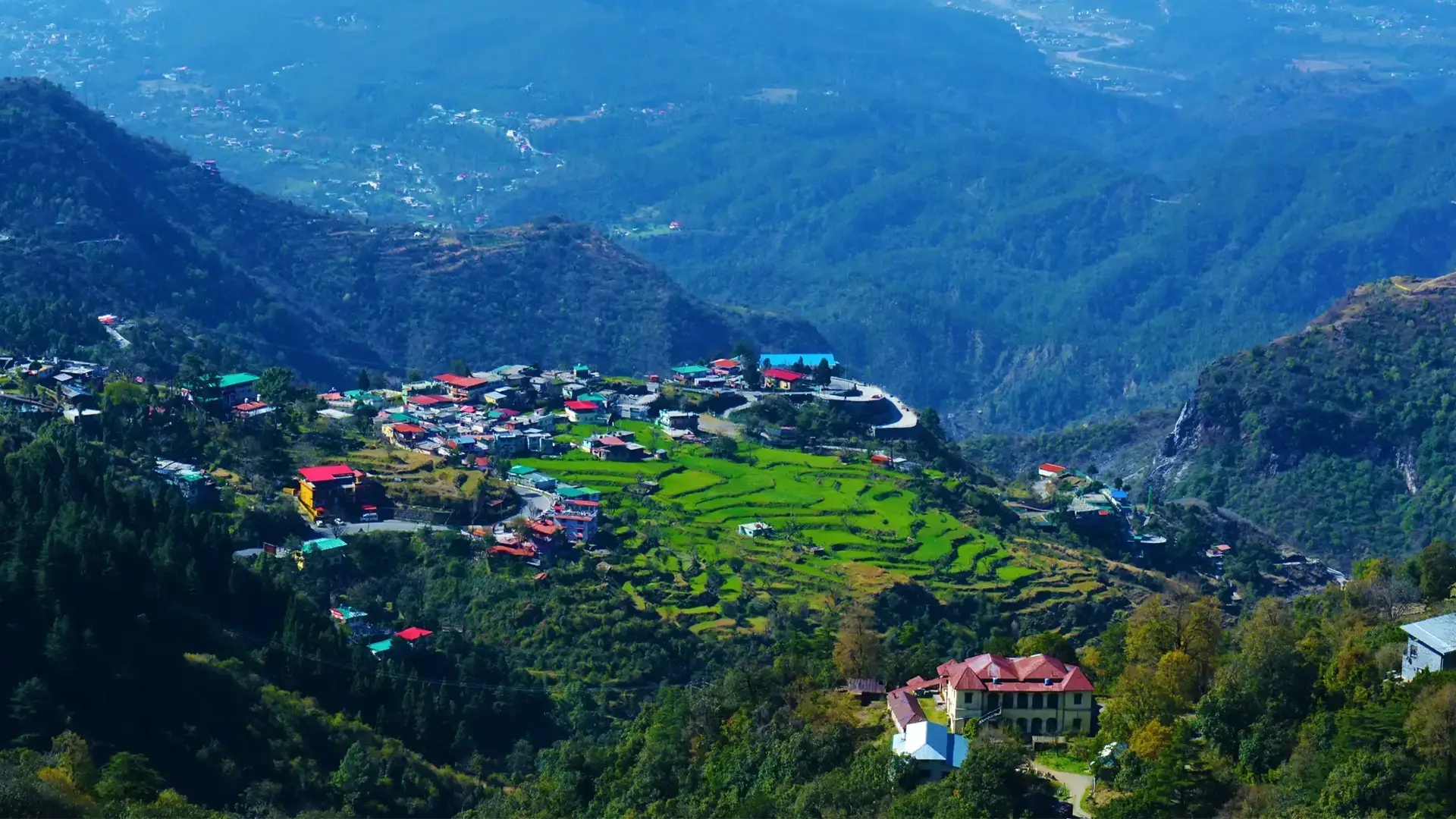
Ranthan Kharak changes with the seasons. In spring, the forests burst into colour. Summer brings greener landscapes and relatively comfortable trekking conditions. Autumn offers sharper mountain views, golden meadows and a completely different atmosphere.
But that does not mean every month from March to November is equally good.
If you're a beginner, the best month depends on what you actually want from the trek: flowers, greenery, clear mountain views, comfortable weather, fewer crowds or a little snow.
So before you book your trek, let's break down the best time to visit Ranthan Kharak Trek month by month.
Quick Answer: What Is the Best Time to Visit Ranthan Kharak Trek?
For most trekkers, the two most attractive windows are:
March–April: Best for rhododendron flowers, spring landscapes and a more colourful trail.
Mid-September–October: Best for clear Himalayan views, crisp weather, golden meadows and photography.
The trekking season is commonly described as spring, summer and autumn, although the exact operating window can vary with weather and trail conditions. One current trekking guide lists March–April for spring, trekking through June in summer, and mid-September through October for autumn.
If your priority is flowers, choose spring.
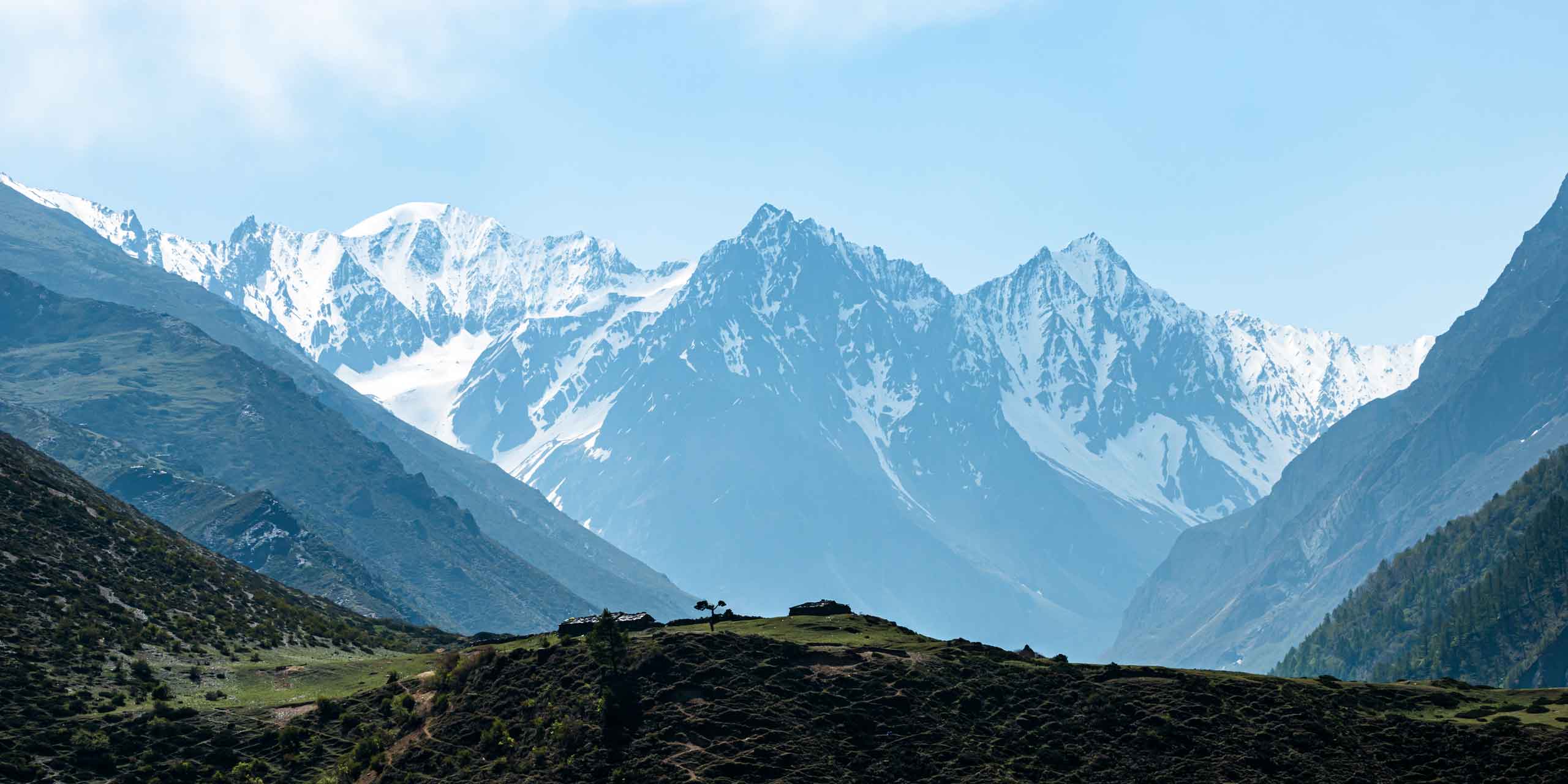
If your priority is mountain views, autumn is arguably the better choice.
And if you're a first-time trekker looking for a balance between scenery and manageable conditions, April, May, late September and October are worth considering, subject to current trail and weather conditions.
Ranthan Kharak Trek Best Time: At a Glance
| Month | Season | What You Can Expect | Beginner Verdict |
|---|---|---|---|
| March | Spring | Rhododendrons, cold nights, possible snow patches | ⭐⭐⭐⭐ |
| April | Spring | Flowers, greenery, pleasant daytime weather | ⭐⭐⭐⭐⭐ |
| May | Spring/Summer | Green forests, comfortable trekking | ⭐⭐⭐⭐⭐ |
| June | Summer | Green landscapes, warmer lower sections | ⭐⭐⭐⭐ |
| July | Monsoon | Rain, slippery trails, unpredictable conditions | ⭐⭐ |
| August | Monsoon | Heavy rain risk, clouds, muddy sections | ⭐⭐ |
| September | Autumn transition | Fresh greenery + improving visibility | ⭐⭐⭐⭐ |
| October | Autumn | Clear views, golden meadows, crisp weather | ⭐⭐⭐⭐⭐ |
| November | Late autumn/winter transition | Colder conditions, possible early snowfall | ⭐⭐⭐ |
Important: This is a planning guide, not a guarantee of conditions. Himalayan weather can change quickly, and actual trail accessibility should be checked before departure.
1. March: Go for Rhododendrons and a Touch of Snow
March is when Ranthan Kharak begins to wake up after winter.
The forests start showing signs of spring, and rhododendron flowers can add striking red and pink colours to the trail. This is one reason Ranthan Kharak has earned a reputation as a special rhododendron trek.
But there is a catch.
March can still feel like winter at higher elevations.
Higher sections may have patches of snow, while nights can become very cold. Current trekking information notes that temperatures can fall below freezing at night during spring, with snow patches possible as trekkers gain altitude.
March is best for:
- Rhododendron flowers
- Snow patches
- Spring photography
- Quiet trails
- Trekkers who don't mind cold conditions
Beginner reality check
If this is your first Himalayan trek, don't pack as if you're travelling to a mild spring destination.
Warm layers are essential.
2. April: Probably the Sweet Spot for Spring
If someone asks, "Which month is best for Ranthan Kharak Trek if I want flowers?", April is one of the easiest answers.
The forests become greener, rhododendrons add colour to the trail and daytime conditions are generally more comfortable than the colder early-spring period.
The higher landscape may still retain some snow, depending on the year's weather.
One current trekking guide identifies March and April as the spring trekking window and highlights the rhododendron bloom, forest greenery and changing landscape during this period.
Why April is popular
- Rhododendron blooms
- Fresh greenery
- Pleasant daytime temperatures
- Excellent forest photography
- Spring atmosphere
- Less harsh cold than early spring
3. May: Green, Pleasant and Beginner-Friendly
May is a different experience.
The dramatic spring colours gradually give way to a much greener landscape. Lower sections of the trail can feel fresh and lively, while higher meadows remain beautiful.
The weather is generally more comfortable than early spring, although mountain weather should never be treated as completely predictable.
Current trek information places the summer window around late April through June, with daytime temperatures around 15–20°C in the cited itinerary and much colder nights at altitude.
Choose May if you want:
- Green landscapes
- Comfortable daytime trekking
- Less focus on flowers
- Good conditions for longer walking days
- A balanced spring-to-summer experience
For a beginner who doesn't specifically want rhododendrons, May can be one of the most practical choices.
4. June: The Last Comfortable Summer Window
June can still be a good month for Ranthan Kharak, particularly in the earlier part of the month.
The forests are green, the meadows look fresh and temperatures are generally manageable.
But there's an important consideration:
The monsoon is approaching.
As the month progresses, weather becomes less predictable, and rain can affect mountain trails.
General high-altitude trekking guidance for Uttarakhand commonly identifies April–June and post-monsoon months as favourable trekking periods while cautioning against monsoon conditions on many high-altitude routes.
June verdict
Good: Early June
Be cautious: Late June
If you're planning a June trek, check the latest weather forecast and local trail conditions instead of relying only on historical averages.
5. July and August: Should You Trek Ranthan Kharak During Monsoon?
For most beginners, I would not make July or August my first choice.
This is where the "March to November" question needs a reality check.
Technically, a broader seasonal discussion may mention different parts of the year, but monsoon weather can make mountain trekking considerably more complicated.
Heavy rain can lead to:
- Slippery trails
- Muddy sections
- Swollen streams
- Poor visibility
- Cloud-covered mountain views
- Difficult road access
- Higher risk of trail disruption
Current trek information specifically warns that the monsoon season can bring overflowing streams, mudslides and slippery rocky sections, while clouds can obscure the Himalayan views that are a major attraction of Ranthan Kharak.
Beginner verdict
Skip July and August unless you have a strong reason, current local guidance and appropriate experience.
A beautiful trek isn't worth forcing when the trail conditions aren't on your side.
6. September: The Mountains Start Clearing Up
September is where things get interesting again.
After the monsoon period, the landscape can remain beautifully green, while skies and visibility generally begin improving.
The second half of September is particularly attractive because the autumn trekking window starts opening. Current Ranthan Kharak guidance places the autumn season from around mid-September through October.
Why September can be a great choice
- Fresh post-monsoon greenery
- Fewer crowds than peak popular treks
- Improving mountain visibility
- Beginning of autumn colours
- Pleasant trekking conditions
If you want a quieter experience and don't mind a little uncertainty in early September, late September is worth considering.
7. October: The Best Month for Clear Himalayan Views?
Now we reach one of the strongest contenders for the best time to visit Ranthan Kharak Trek.
October brings a completely different personality to the trail.
The air becomes crisp, the skies are often clearer and the higher meadows can develop beautiful shades of yellow, orange and brown.
Current trekking information describes autumn as one of the best periods for Ranthan Kharak, particularly because mountain views become sharper and clearer compared with summer.
Another recent trek guide highlights autumn as an especially strong season because of clearer skies, golden meadows and sharper views of Himalayan peaks.
October is ideal for:
- Mountain photography
- Himalayan views
- Sunrise and sunset
- Golden meadows
- Crisp weather
- Clearer skies
8. November: Beautiful, But Don't Treat It Like October
November is a tricky month.
Early November can still offer beautiful autumn scenery, but winter is beginning to make its presence felt.
Temperatures drop, nights become colder and snowfall can start appearing at higher elevations depending on the year's weather.
Current trekking guidance notes that snow can begin in the early weeks of November, making the end of the autumn season less predictable.
November is suitable for:
- Experienced trekkers
- Cold-weather lovers
- Quiet trails
- Early winter scenery
What Is the Worst Time to Visit Ranthan Kharak Trek?
For most beginners, July and August are the months I would avoid.
The main issue isn't that the mountains suddenly become unattractive during monsoon.
They actually become incredibly green.
The problem is trekking conditions.
Rain can turn otherwise comfortable sections into slippery trails, increase stream flow and reduce visibility. Current route information specifically cautions against monsoon conditions because of these risks.
What Should You Pack According to the Season?
Your basic trekking gear remains similar throughout the year, but your clothing strategy should change.
For March–April
Carry:
- Thermal layers
- Fleece
- Warm jacket
- Waterproof outer layer
- Warm gloves
- Woollen socks
- Sunglasses
- Trekking shoes
If snow is present on higher sections, additional equipment may be required depending on the trail condition.
For May–June
You can focus slightly more on lightweight layers, but still carry:
- Warm jacket
- Fleece
- Rain protection
- Sun protection
- Good trekking shoes
- Warm nightwear
For September–October
This is often a comfortable trekking combination:
- Base layer
- Fleece
- Down/warm jacket
- Waterproof jacket
- Trekking trousers
- Gloves
- Warm socks
For November
Prepare for much colder conditions.
Don't underestimate the night temperatures.
Latest Blogs