7 Natural Attractions You See in Ranthan Kharak Trek
Some Himalayan treks are famous for a single summit. Others are remembered because of the journey itself.
Ranthan Kharak Trek belongs to the second category.
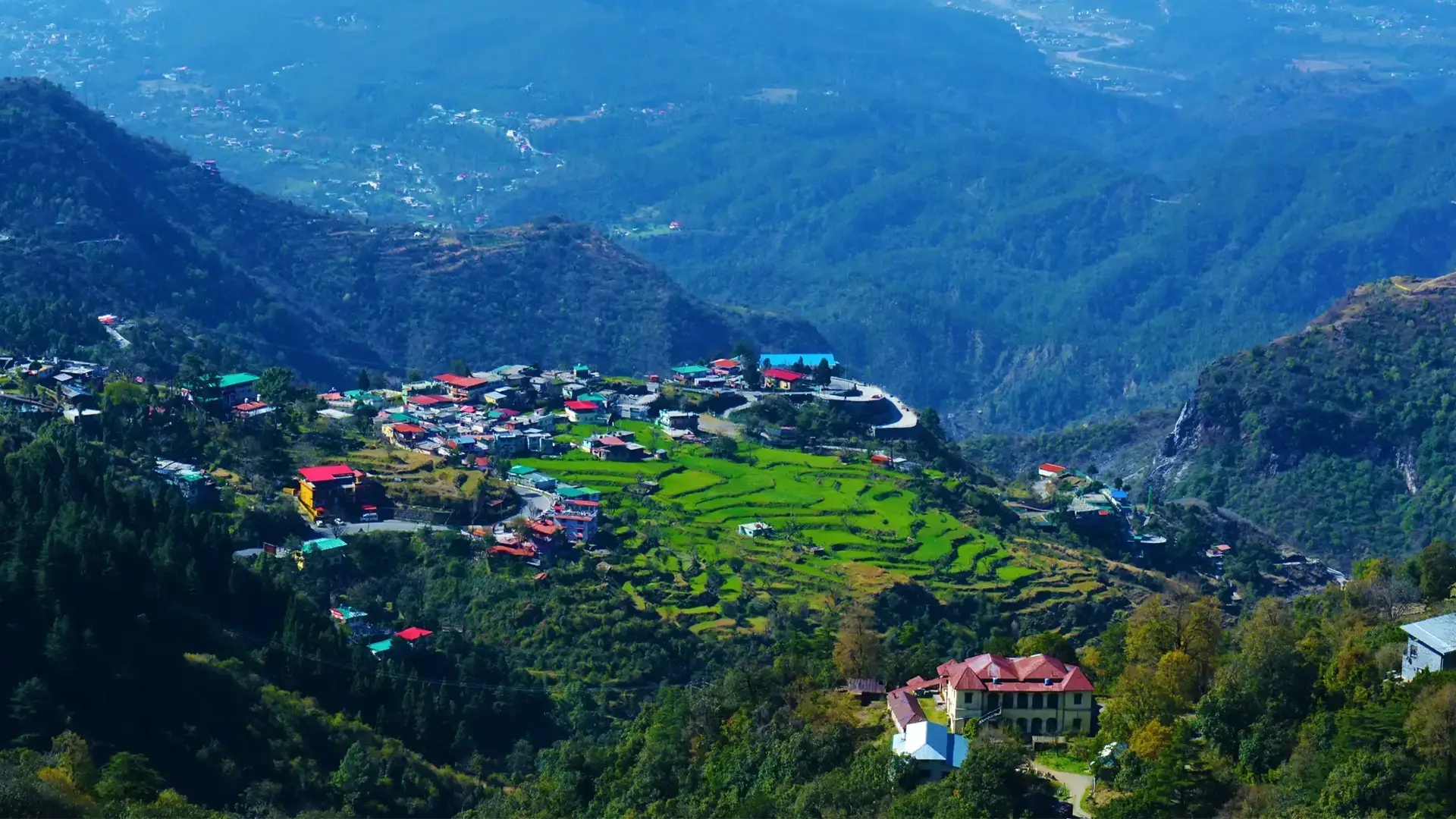
The trail takes you from the quiet mountain settlements around Gogina and Namik into forests, open kharaks (high-altitude meadows), ridges and eventually towards Ranthan Top at around 3,900 metres. Along the way, the landscape keeps changing, which is what makes this trek so enjoyable for nature lovers and photographers.
One moment you may be walking beneath a thick forest canopy. A few hours later, the trees begin to thin out and a huge grassy clearing appears in front of you. Then, as you climb higher, the horizon opens towards the Himalayan ranges.
If you're wondering what natural attractions you can actually see on the Ranthan Kharak Trek, these are the seven highlights worth looking forward to.
Ranthan Kharak Trek Natural Attractions at a Glance
| Natural Attraction | What Makes It Special |
|---|---|
| Rhododendron Forests | Colourful spring blooms and dense forest trails |
| Oak & Himalayan Forests | Peaceful woodland scenery and birdlife |
| Alpine Kharaks | Vast open mountain meadows |
| Thal Tok & Ridge Landscapes | Dramatic high-altitude terrain |
| Ranthan Top | Wide Himalayan mountain views |
| Wildflowers & Seasonal Greenery | Colourful meadows during the warmer months |
| Mountain Wildlife & Birds | Chances to experience Kumaon's biodiversity |
The exact experience varies with season, weather and trail conditions. Spring, for example, can look completely different from the greener summer landscape or the clearer autumn terrain.
1. Rhododendron Forests: The Most Famous Natural Attraction
If there is one thing that immediately comes to mind when people talk about the Ranthan Kharak Trek, it is rhododendrons.
The trail passes through dense rhododendron forests, particularly after the Namik section. During the flowering season, the trees can fill the landscape with shades of red, pink and white. Uttarakhand Tourism itself describes Ranthan Kharak as a rhododendron-focused trek and highlights its spring blossoms.
And the experience is much better than simply seeing a few flowers beside the trail.
In peak bloom, you can walk for stretches surrounded by rhododendron trees, with petals scattered across the forest floor.
It is one of those moments when you naturally slow down.
When are rhododendrons at their best?
March to May is generally the period to consider, with flowering timing varying according to altitude and yearly weather conditions. Current trek information particularly highlights April and May for the bloom.
Beginner tip
Don't rush through the forest trying to reach the next campsite.
If you're visiting specifically for rhododendrons, give yourself time to enjoy the trail and photograph the flowers without damaging the vegetation.
2. Dense Oak and Himalayan Forests
The Ranthan Kharak route isn't only about flowers.
The lower and middle sections take you through oak, rhododendron and other Himalayan forest landscapes, creating a completely different atmosphere from the open meadows higher up.
Walking inside these forests can feel surprisingly peaceful.
You hear leaves moving in the wind, birds calling somewhere above the canopy and, at times, the sound of a mountain stream nearby.
For someone coming from a busy city, this part of the trek can be just as memorable as the summit.
Why are these forests special?
They provide:
- Natural shade during the trek
- Habitat for Himalayan birds
- Seasonal flowers
- Changing vegetation with altitude
- A cool and peaceful walking environment
The forest also creates an interesting visual contrast.
Dense trees below. Open grasslands above.
That gradual transition is one of the most attractive parts of the Ranthan Kharak experience.
3. Vast Alpine Meadows and Kharaks
This is where the name Ranthan Kharak starts making more sense.
The word kharak is used locally for open mountain clearings or high-altitude grazing areas. The trek is known for these broad grassy spaces that appear as the forest begins to open up.
After spending hours among trees, suddenly finding yourself in a huge open meadow can feel almost unreal.
There are no tall buildings.
No traffic.
No city noise.
Just grass, sky, ridges and distant mountains.
Some of these meadows are also traditional grazing grounds used by local communities, which gives them a cultural as well as natural significance.
Why beginners love the kharaks
The open landscape gives you:
- More expansive views
- Great photography opportunities
- Space to rest
- Beautiful camping surroundings
- A feeling of being deep inside the Himalayas
And don't be surprised if you find yourself sitting in the grass longer than planned.
That's part of the experience.
4. Thal Tok and the High Mountain Ridge Landscape
As you move higher, the scenery begins to change again.
The route around Thal Tok and the higher ridge sections offers a more exposed mountain environment compared with the forests below. The trail eventually connects with the ridge leading towards Ranthan Top.
This section is particularly interesting because you begin to understand the scale of the surrounding mountains.
Instead of looking at a mountain through gaps in the trees, you're walking in an open landscape where the horizon seems much larger.
The ridge can also create some dramatic photography opportunities.
But there is an important reality check for beginners:
Open ridge does not always mean easy ridge.
Weather conditions, wind, gradient and altitude can make the higher sections considerably more demanding than the lower forest trail.
Take your time and follow your trek leader.
5. Ranthan Top and Its Himalayan Panorama
Then comes the big reward.
Ranthan Top.
At approximately 3,900 metres, Ranthan Top is the highest point on the route described by Uttarakhand Tourism.
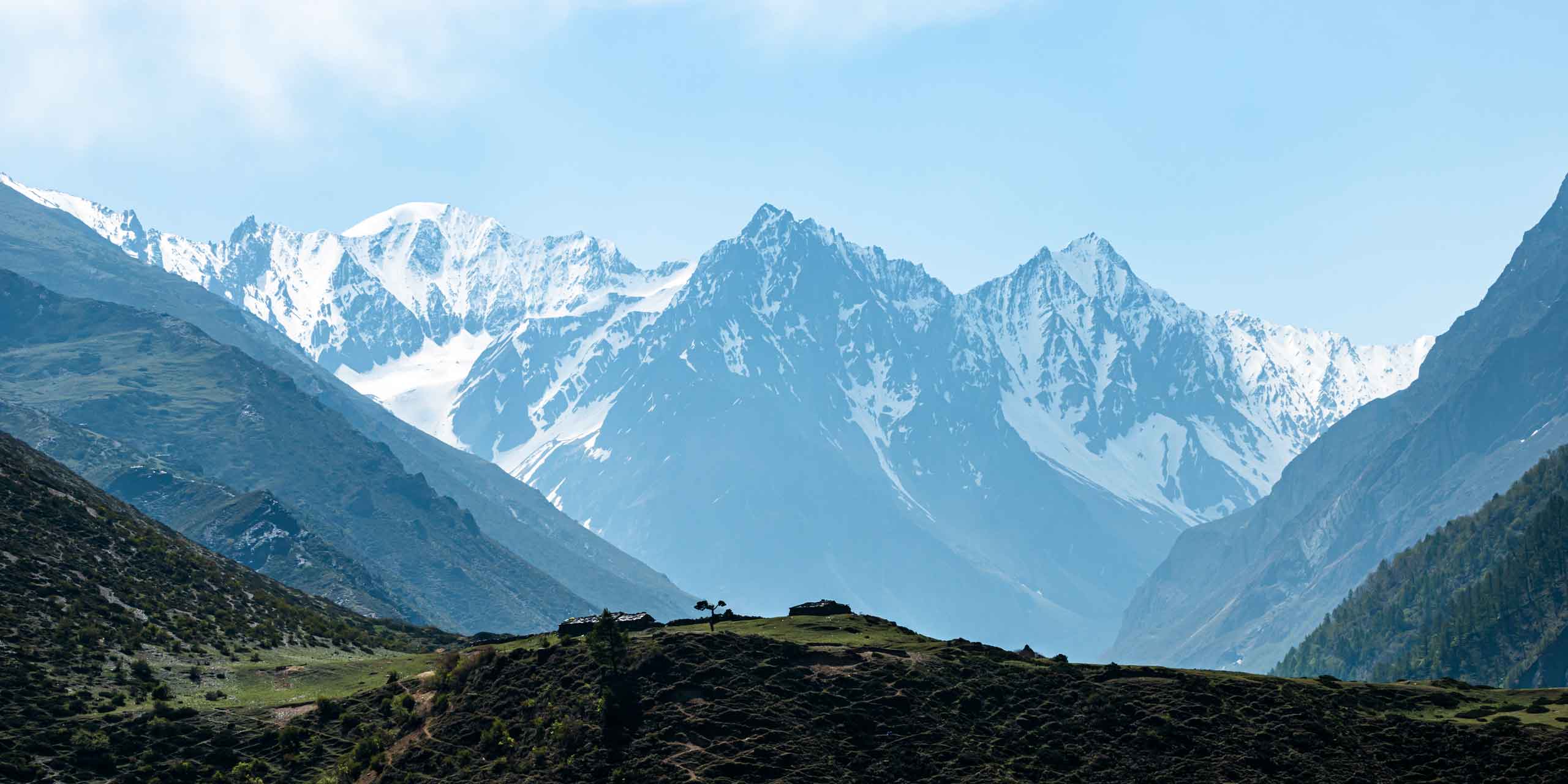
On a clear day, the views open dramatically towards the surrounding Himalayan ranges.
Current trek information describes views towards major peaks and ranges including Nanda Devi, Nanda Kot, Trishul, Maiktoli and the Panchachuli range, although exactly which peaks are visible depends on weather, visibility and your position on the route.
And that's an important point.
Don't expect the mountains to appear on command.
Clouds can cover the peaks.
Fog can roll in.
Visibility can change within minutes.
That's normal in the Himalayas.
But when the sky clears and those snow-covered peaks appear across the horizon, the long climb suddenly feels worth it.
Best time for mountain views
Autumn, particularly October, is often favoured for clearer Himalayan views, although visibility can never be guaranteed. Spring can also provide excellent views when weather conditions cooperate.
6. Wildflowers and Seasonal Colours
Rhododendrons may steal the spotlight, but they aren't the only plants you'll see.
As the season changes, the meadows and forest clearings develop different colours. Late spring and early summer can bring wildflowers across the greener sections, while autumn gives the higher landscape a more muted golden appearance.
This means you can technically walk the same route in two different seasons and feel as though you're seeing two different landscapes.
Spring
Think:
Red + pink + green + fresh mountain air
Summer
Think:
Lush green + wildflowers + open meadows
Autumn
Think:
Golden grass + blue skies + crisp mountain views
That's why the question of the "best" season isn't quite as simple as it sounds.
It depends on what you want to see.
7. Himalayan Birds and Mountain Wildlife
The Ranthan Kharak Trek is also a good choice for travellers who enjoy birdwatching and quiet wildlife encounters.
The combination of dense forests, open meadows and relatively remote terrain creates a suitable habitat for Himalayan birdlife. Trek information also highlights the area's biodiversity and opportunities for birdwatching.
You may hear birds before you see them.
And that's perfectly normal.
In the forest, look up into the canopy and listen carefully rather than expecting wildlife to appear beside the trail.
Depending on season and location, trekkers may encounter a variety of Himalayan birds, while larger wildlife generally remains elusive.
Important wildlife rule
Don't chase, feed or disturb animals for a photograph.
The best wildlife encounter is one where the animal barely notices you were there.
Latest Blogs