Is Ranthan Kharak Trek Difficult? A Beginner's Reality Check Before You Book
Every trekking season, many first-time trekkers ask the same question before choosing an adventure in Uttarakhand:
"Is the Ranthan Kharak Trek difficult for beginners?"
It's a fair question. Photos of endless alpine meadows, snow-covered Himalayan peaks, and peaceful forests make the trek look easy and inviting. But the reality is a little different. Like every Himalayan trek, Ranthan Kharak demands preparation, patience, and respect for the mountains.
The good news is that this is not one of the toughest treks in Uttarakhand. At the same time, it isn't a casual weekend walk either. The trail includes long walking days, steep ascents, changing weather, and high-altitude sections that can challenge anyone who arrives unprepared.
If you're reasonably fit, enjoy walking, and prepare well before your trip, there's a strong chance you'll complete the trek successfully and enjoy every step of the journey.
In this guide, we'll explain the actual difficulty level of the Ranthan Kharak Trek without exaggeration. You'll learn what makes the trail challenging, whether beginners should attempt it, what kind of fitness is required, and how to avoid the common mistakes that often turn an enjoyable trek into a difficult experience.
Quick Answer: Is Ranthan Kharak Trek Difficult?
If you're looking for a simple answer, here it is:
The Ranthan Kharak Trek is considered a moderate-level Himalayan trek. It is suitable for beginners who have prepared physically, but it can feel quite challenging for people with little fitness, no trekking experience, or unrealistic expectations.
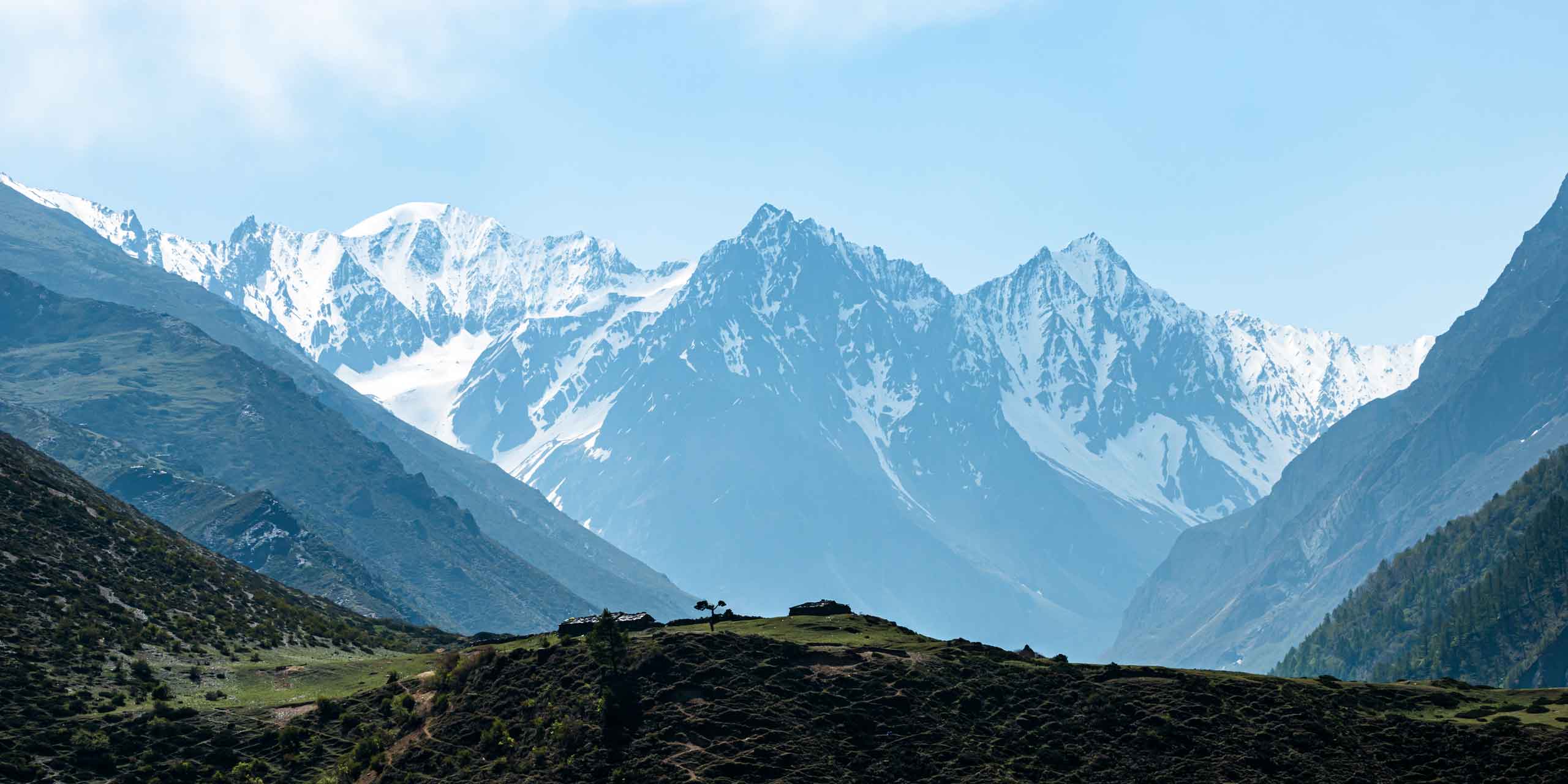
The trek gradually climbs through dense forests, beautiful Bugyals (high-altitude meadows), mountain ridges, and remote Himalayan landscapes before reaching breathtaking viewpoints overlooking famous peaks like Nanda Devi, Nanda Kot, Panchachuli, Maiktoli, and many more.
Unlike technical mountaineering expeditions, you don't need climbing equipment or advanced trekking skills. However, you'll spend several days walking on uneven mountain trails while gaining significant altitude. That alone makes preparation extremely important.
At a Glance
| Difficulty Factor | Rating |
|---|---|
| Overall Difficulty | Moderate |
| Suitable for Beginners | Yes, with preparation |
| Daily Trekking Hours | 5–8 Hours |
| Maximum Altitude | Around 3,900–4,000 metres |
| Trail Type | Forest, Meadows, Rocky Sections, Mountain Ridges |
| Technical Climbing | No |
| Fitness Requirement | Moderate to Good |
| Risk of Altitude Sickness | Low to Moderate |
Ranthan Kharak Trek Difficulty Level Explained
Many people judge a trek only by its highest altitude. While altitude certainly matters, it is only one part of the overall challenge.
The Ranthan Kharak Trek feels moderately difficult because several factors combine throughout the journey.
Instead of facing one major obstacle, trekkers deal with multiple small challenges each day. Long walking hours, uneven trails, changing weather, gradual altitude gain, and limited facilities all require both physical stamina and mental resilience.
Let's look at the main reasons why this trek is classified as moderate rather than easy.
1. Long Walking Days Test Your Endurance
One of the biggest surprises for first-time trekkers is the amount of walking involved.
Although the daily distance may not seem overwhelming on paper, mountain trails naturally slow your pace. Steep climbs, rocky paths, river crossings, and narrow forest tracks require careful footing, making every kilometre feel longer than a normal walk in the city.
Most trekking days involve walking between 5 and 8 hours, with regular breaks for hydration, snacks, and photography.
If you're used to a desk job or a sedentary lifestyle, these long days can feel tiring by the second or third day. That's why improving your stamina before the trek makes a noticeable difference.
2. Continuous Altitude Gain
Unlike low-altitude nature walks, the Ranthan Kharak Trek gradually takes you into the higher Himalayas.
As you gain elevation, the air becomes thinner, and your body has to work harder to supply oxygen to your muscles. Even simple tasks like climbing a short incline or carrying your backpack can feel more demanding than they would at sea level.
Fortunately, the itinerary usually allows gradual acclimatisation, reducing the chances of severe altitude-related problems. Staying hydrated, walking at a steady pace, and following your trek leader's advice are key to adapting comfortably.
3. Mountain Weather Can Change Quickly
Another factor that surprises many beginners is the unpredictable weather.
A bright, sunny morning can turn cloudy within an hour, followed by cold winds, light rain, or even snowfall during the early spring or late autumn months.
Temperature changes throughout the day can be significant. While daytime trekking may feel pleasant, evenings and nights at higher camps can become surprisingly cold.
Packing the right layers and waterproof gear isn't just about comfort—it's essential for staying safe in changing mountain conditions.
4. Remote Himalayan Terrain
The Ranthan Kharak Trek passes through peaceful villages, dense oak and rhododendron forests, wide alpine meadows, and remote mountain camps.
This untouched beauty is one of the trek's biggest attractions, but it also means modern facilities are limited.
You won't find cafés, restaurants, ATMs, or medical shops once you're deep into the trail. Mobile networks may disappear for long stretches, and electricity is usually unavailable at remote camps.
For many travellers, disconnecting from city life becomes one of the most rewarding parts of the experience. Still, being mentally prepared for basic living conditions helps you enjoy the journey even more.
Is Ranthan Kharak Trek Suitable for Beginners?
The short answer is yes—but only if you're willing to prepare.
Many first-time trekkers successfully complete the Ranthan Kharak Trek every year. They don't necessarily have previous trekking experience, but they do spend a few weeks improving their fitness, choosing proper trekking gear, and understanding what to expect on the trail.
If you can comfortably walk 8–10 kilometres, climb stairs without getting exhausted, and follow a regular exercise routine before your trip, you'll find the trek much more enjoyable.
On the other hand, starting the trek without any physical preparation can make even moderate sections feel exhausting.
Rather than asking, "Can beginners do this trek?", a better question is:
"Am I ready to prepare for it?"
If your answer is yes, the Ranthan Kharak Trek can become one of your most memorable Himalayan adventures.
Who May Find the Trek More Challenging?
Although the trek is beginner-friendly with proper preparation, some travellers may experience greater difficulty than others.
You may find the trek challenging if you:
- Have never walked long distances before.
- Rarely exercise or participate in outdoor activities.
- Expect a comfortable sightseeing trip rather than a mountain expedition.
- Carry an unnecessarily heavy backpack.
- Ignore hydration and acclimatisation guidelines.
- Have existing knee, ankle, or breathing issues without consulting a medical professional.
Being honest about your fitness level before booking the trek is always a better choice than overestimating your abilities.
Reality Check Before You Book
The Ranthan Kharak Trek isn't designed to test extreme mountaineering skills, but it does reward those who arrive prepared. If you're looking for a scenic Himalayan adventure that offers peaceful trails, stunning alpine meadows, and unforgettable mountain views, this trek is an excellent choice.
Approach it with realistic expectations, train for a few weeks beforehand, and let the mountains set the pace. You'll likely find the experience challenging in the best possible way—and one that leaves you with lasting memories rather than regrets.
Altitude: The Biggest Challenge You Shouldn't Ignore
Many people assume the Ranthan Kharak Trek is difficult because of steep climbs. In reality, the altitude is what most beginners notice first.
As you climb higher into the Kumaon Himalayas, the oxygen level gradually decreases. Your body needs time to adjust, which is why the trek itinerary is designed with gradual altitude gain instead of rushing to the highest point.
Most healthy trekkers adapt without any serious issues, but some may experience mild symptoms during the first couple of days.
Common Signs of Altitude Adjustment
- Mild headache
- Faster breathing while climbing
- Slight loss of appetite
- Feeling tired more quickly
- Difficulty sleeping on the first night at higher camps
These symptoms usually improve after proper rest and hydration.
How to Reduce Altitude Problems
- Walk slowly instead of racing ahead.
- Drink 3–4 litres of water every day.
- Avoid alcohol and smoking before and during the trek.
- Eat your meals even if you don't feel very hungry.
- Inform your trek leader immediately if symptoms become severe.
The golden rule of Himalayan trekking is simple:
The slower you climb, the stronger you'll feel.
Trail Conditions: What Will You Actually Walk On?
One of the best things about the Ranthan Kharak Trek is that every day offers a different landscape. Instead of walking on a single type of path, you'll experience forests, meadows, ridgelines, streams, and mountain slopes.
This variety keeps the journey exciting but also makes the trek moderately challenging.
Dense Forest Trails
The first part of the trek usually passes through beautiful oak, pine, and rhododendron forests.
The paths are generally well-defined, but after rainfall they can become slippery because of wet leaves, exposed tree roots, and loose soil. A good pair of trekking shoes with strong grip makes a noticeable difference here.
Open Bugyals (Alpine Meadows)
One of the highlights of the Ranthan Kharak Trek is walking through vast Himalayan Bugyals.
These grassy meadows offer breathtaking views of snow-covered peaks and are relatively comfortable to walk on. However, don't let the open landscape fool you. The gradual uphill climbs can still test your stamina, especially during long trekking days.
Rocky Mountain Sections
As you gain altitude, parts of the trail become rocky and uneven.
You'll need to watch your footing carefully while crossing loose stones, narrow mountain paths, and natural rock formations. These sections are not dangerous for careful trekkers, but they require patience and balance.
Ridge Walks
Some parts of the trek follow scenic ridgelines where panoramic Himalayan views stretch in every direction.
Although these sections are incredibly rewarding, beginners should stay focused while walking, especially if strong winds are present.
Ranthan Kharak Trek Distance and Daily Walking Hours
Many beginners underestimate how different mountain walking feels compared to walking on city roads.
Even if you've completed a 10-kilometre walk in your local park, trekking in the Himalayas demands much more energy because of elevation gain and uneven terrain.
Average Daily Trekking Time
| Trekking Factor | Details |
|---|---|
| Daily Walking Hours | 5–8 Hours |
| Average Distance Per Day | 8–12 km |
| Trek Duration | Multiple Days |
| Rest Stops | Every 60–90 Minutes |
| Difficulty Increase | Gradual Throughout the Trek |
Don't worry about walking fast.
Experienced trekkers know that maintaining a steady rhythm is far more effective than trying to reach camp first.
A slow and consistent pace helps conserve energy and allows your body to adapt naturally to the altitude.
Weather Conditions: Small Changes Can Feel Big
Weather is another reason why the Ranthan Kharak Trek falls into the moderate category.
Unlike city weather forecasts, mountain conditions can change several times in a single day.
You might begin your morning wearing just a light jacket and end the evening in thermal layers, gloves, and a woollen cap.
During Spring
- Pleasant daytime temperatures
- Cold mornings and nights
- Blooming rhododendron forests
- Occasional rain showers
During Summer
- Comfortable trekking weather
- Green landscapes
- Clear mountain views on most mornings
- Afternoon clouds are common
During Autumn
Many experienced trekkers consider autumn the best season.
Why?
Because you'll usually enjoy:
- Stable weather
- Crystal-clear Himalayan views
- Comfortable trekking temperatures
- Less rainfall
- Beautiful golden landscapes
During Early Winter
Cold temperatures increase significantly.
Higher camps may experience frost or light snowfall, making mornings colder and some trail sections slightly more demanding.
How Fit Should You Be?
You don't need to be a marathon runner to complete the Ranthan Kharak Trek.
However, basic fitness is essential.
If climbing three or four floors of stairs leaves you completely exhausted, you'll probably struggle during the first few trekking days.
A Good Fitness Goal Before the Trek
Aim to comfortably achieve the following:
- Walk 8–10 km without excessive fatigue.
- Jog or brisk walk for 30–45 minutes.
- Climb stairs continuously for 15–20 minutes.
- Perform basic bodyweight exercises like squats, lunges, and planks.
- Carry a small backpack while walking.
Training consistently for 4–6 weeks before your trek can dramatically improve your overall experience.
Our Honest Opinion
The Ranthan Kharak Trek isn't about proving how tough you are—it's about enjoying one of Uttarakhand's most peaceful Himalayan landscapes. The trail rewards patience more than speed, and preparation more than experience.
For beginners who train in advance and carry the right mindset, this trek often becomes the perfect introduction to Himalayan trekking. It offers just enough challenge to feel adventurous without being overwhelmingly difficult.
Those who come expecting an easy walk may find it demanding. But those who arrive prepared usually return home with unforgettable memories, newfound confidence, and a deeper appreciation for the mountains.
Latest Blogs